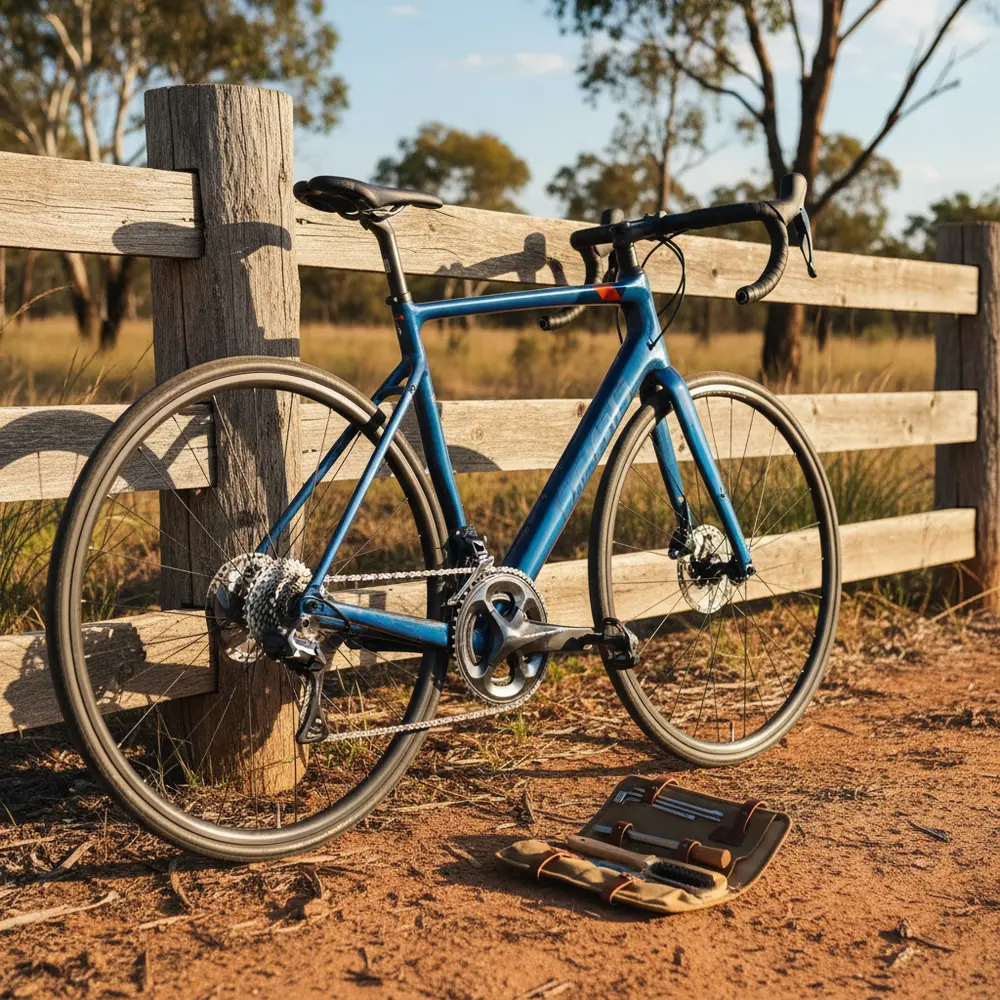
Australia is one of the best places in the world to ride a bike, but it is also one of the toughest on your equipment. From scorching inland summers to wet Melbourne winters and salty coastal air, your bike takes a beating that a generic maintenance schedule simply does not account for.
This guide gives you a practical, season-by-season bicycle maintenance checklist tuned to Australian conditions. Work through it and you will know exactly what to check, when to check it, and when to hand the bike over to a professional.
Note for Australia:
- Australia's seasons run opposite to the Northern Hemisphere. Summer is December to February, winter is June to August.
- Climate varies enormously. Coastal riders in Sydney or Brisbane face humidity and salt air. Inland riders in SA and WA deal with dry heat and dust. Southern riders in Melbourne, Hobart, and the Adelaide Hills get cold, wet winters.
- Grass seeds and fine grit are a genuine issue for spring and summer riders in rural and semi-rural areas. They lodge in brake calipers, derailleur pulleys, and cable housing ends.
At a glance:
- Four seasonal checklists covering drivetrain, brakes, tyres, frame, wheels, and lubrication
- Lube choice matters by season. Dry lube in summer, wet lube in winter.
- Chain wear is the most commonly ignored item. Check it every season.
- Some jobs belong in a shop. Hydraulic brake bleeds and wheel rebuilds are the main ones.
Key takeaways:
- A seasonal check takes under an hour and prevents expensive component replacements
- Australia's climate zones mean one-size-fits-all maintenance advice often falls short
- Intermediate riders can handle most of this at home with a basic tool kit
Why Seasonal Maintenance Matters for Australian Cyclists
Bikes wear faster when they are ridden hard and maintained rarely. Heat, UV, grit, moisture, and salt all accelerate that process, and Australia serves up all of them in abundance. The cost of replacing a cassette and chainring because a chain was left too long is always higher than the cost of a chain checker tool and a new chain.
A seasonal approach makes maintenance manageable. Instead of one overwhelming annual service, you are doing four lighter check-ins spread through the year. Each one catches what the previous season has done to your bike before it becomes a bigger problem.
How Australia's Climate Zones Affect Your Bike
Riders in Brisbane and Sydney deal with humidity that accelerates corrosion on cables, housings, and bolt threads. Coastal exposure adds salt air into the mix, which is harder on metal components than most riders realise. Inland riders in western NSW, SA, and WA face dry heat and fine dust that strips chain lube fast and works into bearing races.
Southern riders in Melbourne, Hobart, and the Adelaide Hills get extended cold and wet winters. That means more road grit, mud contamination of brakes, and standing water sitting in frame tubes through cable entry points. Knowing which conditions you ride in most often shapes which checklist items need the most attention.
Summer Maintenance Checklist (December to February)
Heat, UV, and Dust: What to Watch For
Summer in most of Australia means long rides, high UV, dry roads, and heat that builds inside parked cars and garages. Rubber degrades faster under sustained UV exposure, so tyre sidewalls, brake hoods, and cable housing are all worth inspecting closely at the start of summer and again midway through.
Dry lube is the right choice for summer riding in most Australian conditions. It does not attract dust and grit the way wet lube does, and in dry heat it lasts a reasonable number of kilometres before needing reapplication. The Park Tool chain lubrication guide explains the difference clearly if you want the full picture on lube types and application technique.
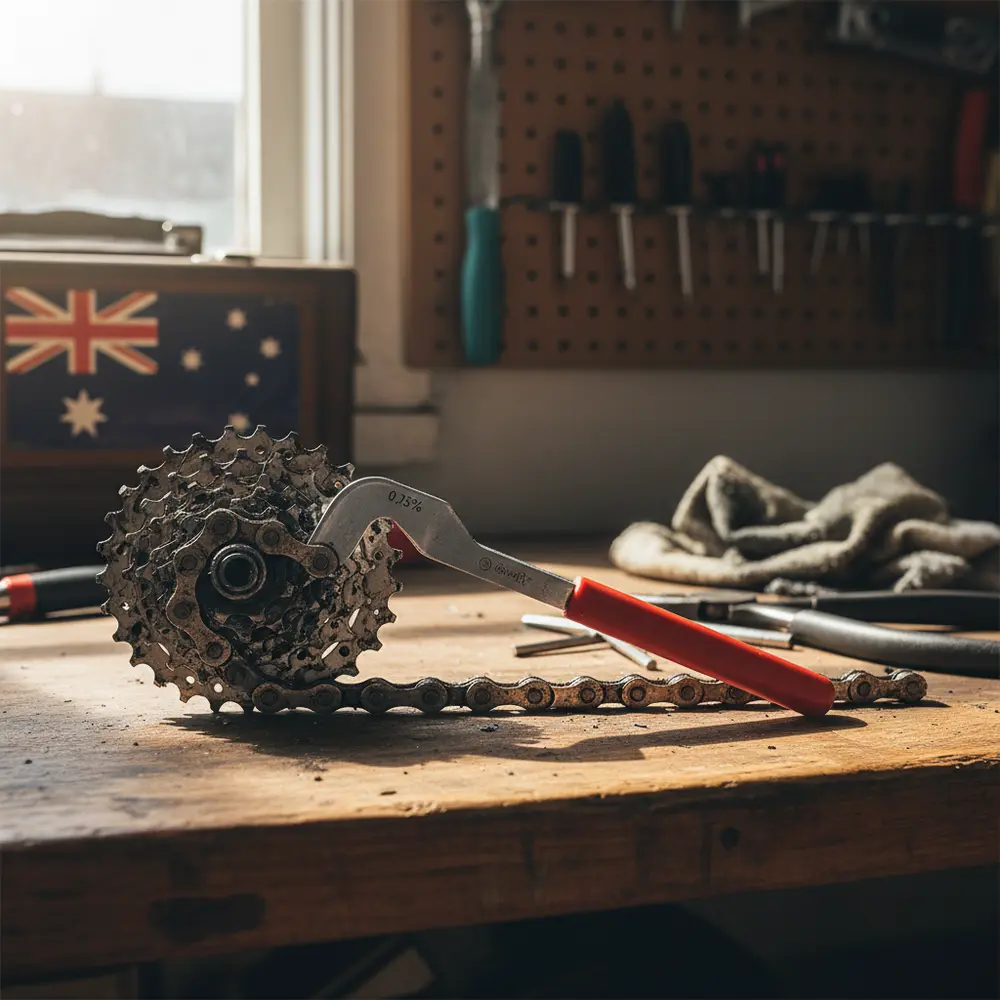
- Chain: Check wear with a chain checker tool. Replace at 0.5% wear on 11-speed and higher drivetrains to protect your cassette.
- Tyres: Check pressure before each ride. Heat raises pressure in a parked bike. Inspect sidewalls for cracking or UV degradation.
- Lube: Switch to a quality dry lube. Wipe the chain down before reapplying.
- Frame bolts: Check stem, seatpost, and derailleur hanger bolts. Heat cycling can loosen them over time.
- Brakes: Check pad wear and cable tension. Rim brake pads wear faster in summer grit. Disc rotors, check for warping if the bike has been left in a hot car.
- Bar tape or grips: UV and sweat break these down. Replace if they feel slick or are cracking.
Autumn Maintenance Checklist (March to May)
Post-Summer Wear and Preparing for Wet Roads
Autumn is your post-summer stocktake. This is when you assess what three months of heat, dust, and kilometres have done to your components. It is also when you start preparing for wet road conditions, which arrive in April and May across southern Australia.
This is a good time to deep-clean the drivetrain, assess chain wear properly, and swap lube from dry to a mid-weight or wet lube ahead of the first rains. The Bicycle Network maintenance guide is a useful reference for basic drivetrain cleaning steps if you are building your routine.
- Drivetrain: Deep clean chain, cassette, chainrings, and derailleur pulleys. Look for worn or skipping teeth.
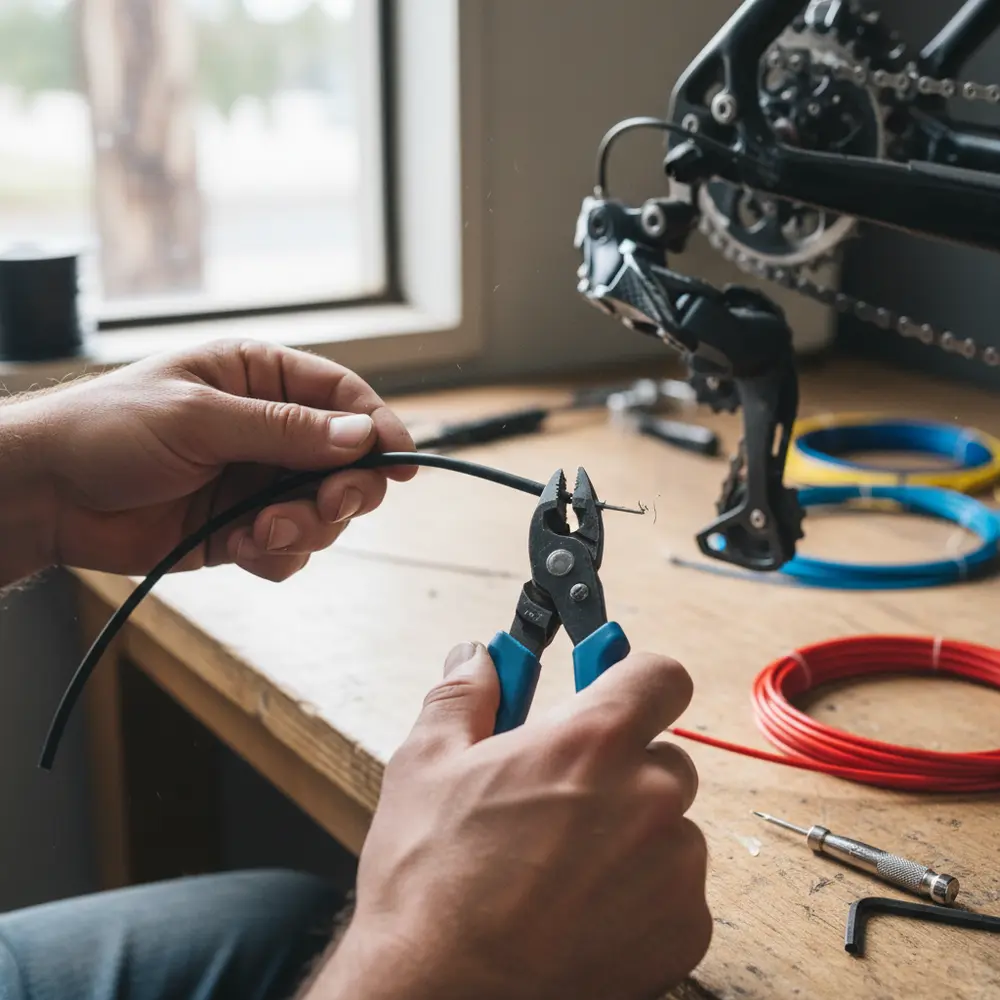
- Cables and housing: Check for fraying at cable ends and cracking at housing bends. Replace before winter, not during it.
- Tyres: Check tread depth and look for cuts or embedded debris. Wet roads in autumn demand tyres with life left in them.
- Wheels: Spin each wheel and check for lateral wobble. Squeeze spoke pairs to feel for obviously loose spokes.
- Lube: Move to a wet or all-conditions lube as temperatures drop and rain arrives.
Winter Maintenance Checklist (June to August)
Wet Weather Riding and Corrosion Prevention
Winter maintenance is mostly about keeping moisture and grit out of places they should not be. Road grit mixed with water is abrasive and gets into everything. If you are commuting or training through a Melbourne or Hobart winter, you will go through brake pads noticeably faster, and your chain wear will accelerate.
Coastal riders need to take corrosion seriously through winter. A light wipe-down after rides in salt air, attention to cable entry points on the frame, and regular relubing of exposed metal are all worth the extra few minutes. For more on component-specific servicing in tough conditions, the team at Velo Australasia covers this well for road and gravel riders.
- Brakes: Check pad wear after every few rides in wet grit. Rim brake pads wear fast in winter. Disc pads last better but still need checking monthly.
- Chain: Clean and relube more frequently in winter. Every 150 to 200 km is reasonable in wet conditions.
- Frame: Dry the bike after wet rides. Check cable entry points and any drain holes are clear.
- Drivetrain: Derailleur pulleys collect grime fast in winter. Clean them every couple of weeks.
- Bolts: Apply a small amount of copper-based anti-seize to steel bolts in aluminium threads if you live on the coast. Prevents corrosion locking.
Spring Maintenance Checklist (September to November)
Getting Race-Ready and Checking What Winter Did to Your Bike
Spring is the reset season. Longer days arrive, events fill the calendar, and most riders want to get back to doing bigger kilometres. Before you ramp up, do a proper post-winter inspection. Winter is hard on cables, housing, bearings, and brake pads, and you want to find any damage now rather than mid-ride.
If you ride in rural or semi-rural areas, grass seeds become a real issue from September onwards. They lodge in brake calipers, between derailleur pulleys, and inside cable housing. After any ride through long grass or gravel roads with grass margins, check these areas before putting the bike away.
- Full drivetrain check: Clean and inspect chain, cassette, and chainrings after winter. Replace the chain if wear is at or past the limit. Check cassette teeth for hook-shaped wear.
- Cables and housing: Replace any housing that has cracked or kinked through winter. Fresh cables make a real difference to shift and brake feel.
- Brakes: Replace pads if worn. Check hydraulic levers for sponginess, which suggests a bleed may be needed.
- Wheels: Check for spoke tension inconsistencies and have the wheel trued if there is any wobble beyond minor.
- Grass seeds: Inspect brake caliper bridges, derailleur pulleys, and cable housing ends. Remove any debris before it causes damage.
- Lube: Return to dry lube as conditions dry out in October and November.
Seasonal Checklist Summary Table
| Task | Summer | Autumn | Winter | Spring |
|---|---|---|---|---|
| Chain wear check | Yes | Yes | Monthly | Yes |
| Drivetrain clean | Fortnightly | Deep clean | Weekly-fortnightly | Full clean |
| Brake pad check | Monthly | Monthly | Every 2-3 rides | Replace if worn |
| Tyre inspection | Before each ride | Check tread depth | Check after rides | Full inspection |
| Lube type | Dry lube | Transition to wet | Wet lube | Back to dry |
| Cable and housing | Check mid-season | Replace if due | Monitor | Replace if winter-worn |
| Frame bolt check | Yes | Yes | Check after wet rides | Yes |
| Grass seed check | Spot check | No | No | After every rural ride |
Year-Round Maintenance Tasks You Should Never Skip
Some jobs do not belong to any particular season. They belong on your bike every time you ride or every time you put the bike away.
- Tyre pressure: Check before every ride. Correct pressure reduces puncture risk and rolling resistance.
- Quick releases and thru-axles: Confirm secure before every ride. Takes five seconds.
- Brake function: Squeeze both levers before you roll. If something feels different, investigate before riding.
- Chain lube: Apply after cleaning and whenever the chain sounds dry. Do not over-lube, wipe off the excess.
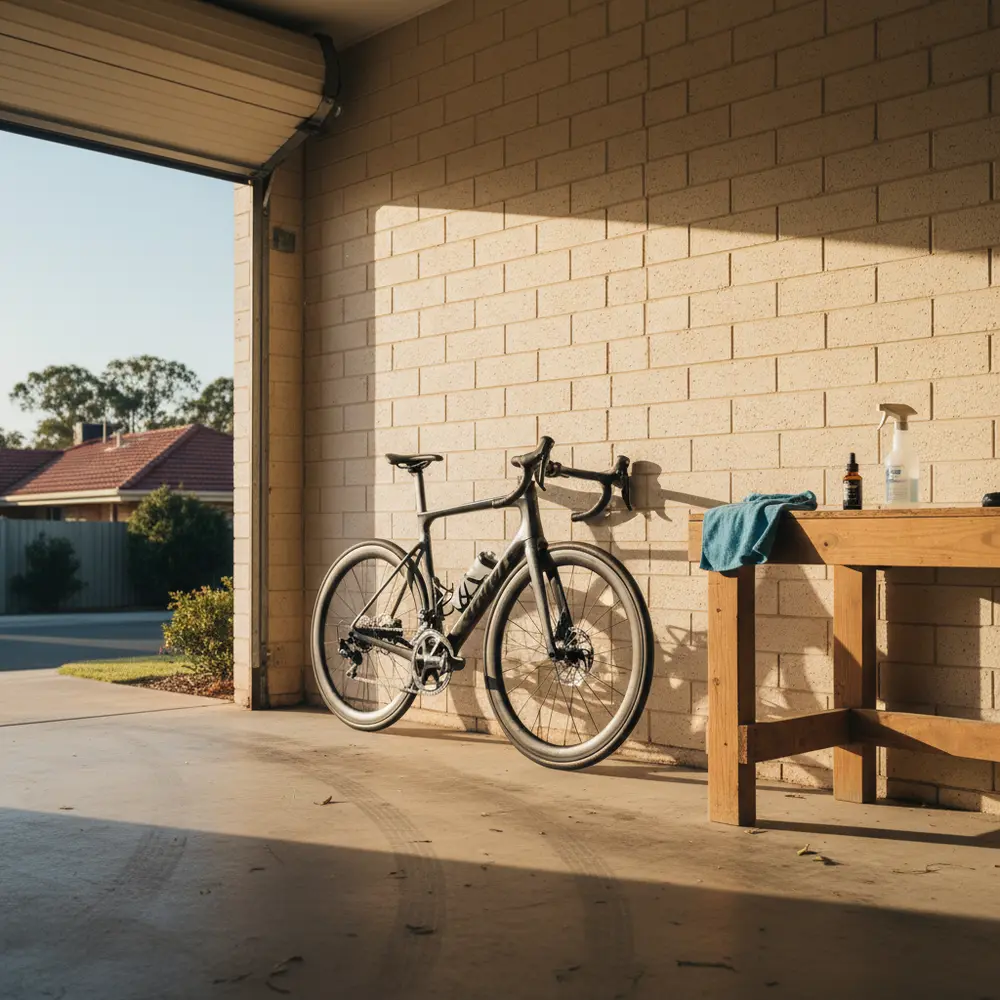
- Post-ride wipe-down: A dry cloth on the frame, fork, and drivetrain after every ride adds months to component life in wet or salty conditions.
When to DIY and When to Take It to a Shop
Most intermediate riders can handle the items in this checklist at home with a basic tool kit: a chain checker, hex keys, a good degreaser, lube, and tyre levers. That covers probably 80 percent of what your bike needs across a year. For a broader reference on Australian-specific maintenance tasks at home, the BikeExchange bike maintenance guide covers the full range well.
However, some jobs genuinely need a shop. Hydraulic brake bleeding requires specific tools and the correct fluid. SRAM systems use DOT fluid, Shimano uses mineral oil, and they are not interchangeable. Getting this wrong can damage your brakes. Wheel building and spoke tensioning beyond a basic true also benefit from a workshop tensiometer rather than a guesswork squeeze. A detailed breakdown of spoke tension principles explains why hand-feel alone has real limits.
On professional service intervals, most Australian mechanics suggest a full service every six to twelve months depending on how much you ride and in what conditions. If you are putting in serious kilometres through an Australian summer or a wet winter, lean toward six months. A good reference on this is the bike service frequency guide from Bicycles Network Australia.
If You Are New to Home Maintenance
- Start with chain cleaning and lubing. It is low-risk and has a high impact on drivetrain life.
- Buy a chain checker tool. It takes the guesswork out of the most important wear measurement you will do.
- Learn to adjust brake cable tension. It is one of the most useful skills you can have.
- Check tyre pressure before every ride. A floor pump with a gauge is a worthwhile investment.
- Watch the manufacturer's tutorial video before attempting any new task. Park Tool has the best freely available library.
If You Have Done Basic Maintenance Before
- Add a spoke tension check to your seasonal routine. You do not need a tensiometer for a rough check, but know its limits.
- Learn to adjust derailleur limit screws and barrel adjusters. Shifting that degrades through a season is almost always fixable at home.
- Consider adding a torque wrench to your kit if you have a carbon frame or carbon contact points. Torque specs matter more on carbon than on alloy.
- Try a full drivetrain strip and clean at least once a year. The difference in shifting feel afterwards is worth the hour it takes.
- Keep a simple log of what you replace and when. It makes future service decisions straightforward.
Common Mistakes to Avoid
- Using wet lube in dry, dusty conditions. It attracts grit and turns into a grinding paste on your chain.
- Ignoring chain wear until the cassette starts skipping. By then you are replacing both the chain and the cassette.
- Over-tightening bolts on carbon components. Always use a torque wrench and follow the manufacturer spec.
- Leaving a wet bike in a closed bag or garage corner. Moisture trapped against metal components causes corrosion fast.
- Bleeding hydraulic brakes with the wrong fluid. DOT and mineral oil are not interchangeable. Check what your system requires before you touch it.
- Skipping the spring grass seed check. A seed wedged in a brake caliper or derailleur pulley can cause damage on the very next ride.
Frequently asked questions
How often should I replace my bike chain in Australian conditions?
Check chain wear every season using a chain checker tool. In dry, gritty Australian summers or wet winters with heavy road debris, chains wear faster than in milder climates. Replace at 0.5% wear for 11-speed and higher drivetrains. Replacing early is significantly cheaper than replacing the cassette and chainrings that follow a worn-out chain. The Park Tool chain wear guide explains the measurement process clearly.
Should I use wet or dry lube in Australian conditions?
Dry lube is the right choice for most of the country through summer, particularly in dry and dusty conditions. Wet lube suits riders going through a wet winter in Melbourne, Hobart, or the hills regions. In humid coastal conditions, a mid-weight or all-conditions lube can work well year-round. Never apply lube on top of a dirty chain, always clean first.
How do I know if my hydraulic brakes need bleeding?
The most common sign is a spongy or inconsistent lever feel. If the lever is pulling closer to the bar than it used to before firm braking kicks in, a bleed is likely needed. This is a task that can be done at home with the right kit and the right fluid for your system, but if you are unsure, a bike shop will do it quickly and correctly. SRAM uses DOT fluid and Shimano uses mineral oil. Do not mix them.
Are coastal riders in Australia at higher risk of corrosion damage?
Yes. Salt air accelerates corrosion on cables, exposed bolt threads, derailleur springs, and bearing races. Coastal riders benefit from more frequent post-ride wipe-downs, applying a light corrosion inhibitor to bolt threads, and replacing cables and housing at least annually. Stainless steel cable options are worth considering for riders in high-salt environments.
What does a professional bike service in Australia typically cover?
A standard professional service at an Australian bike shop generally covers a full drivetrain clean and inspection, brake adjustment or pad replacement, gear indexing, cable and housing check, bearing check, and a general safety inspection. More involved services include bearing repacking and hydraulic brake bleeds. Most mechanics recommend a full service every six to twelve months depending on your riding volume and conditions.
Wrapping up
- Match your maintenance schedule to the season and your local climate, not a generic calendar
- Lube choice, chain wear checks, and tyre inspections are the three highest-impact habits you can build
- Most seasonal checks take less than an hour and prevent far more expensive repairs down the track
- Some jobs belong in a shop. Hydraulic bleeds and spoke tensioning at a structural level are the main ones.
- If you want to dive deeper into any of the topics covered here, the Segment Club team is happy to help point you in the right direction
This is educational content, not professional mechanical advice. Always consult a qualified bike mechanic if you are unsure about any repair or adjustment on your bicycle.