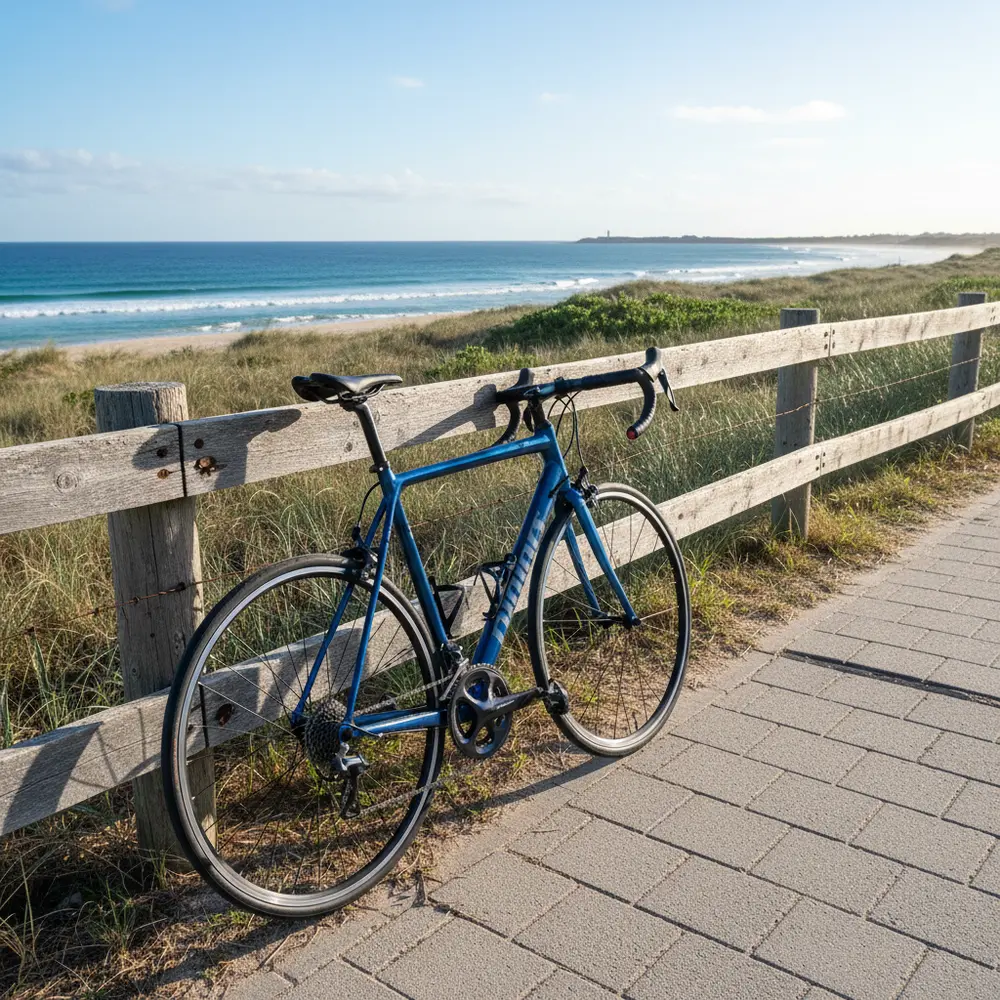
Living near the coast in Australia is brilliant for riding, but salt air and humidity are quietly working against your bike every single day. Left unchecked, corrosion can turn a well-kept drivetrain into a crunching mess or seize bolts so tight you need a wrench and a prayer to shift them.
This guide will give you a simple, practical maintenance routine built for coastal conditions. By the end, you will know which parts of your bike are most at risk, which products are worth buying, and how to store your bike so it lasts as long as possible near the water.
Note for Australia:
- Coastal regions like the Gold Coast, Fremantle, Wollongong, and the Mornington Peninsula all have high ambient salt air, especially within a kilometre or two of breaking surf.
- Products mentioned in this article, including Lanox MX4 and Boeshield T-9, are available from Australian retailers including Bunnings, 99 Bikes, and Pushys.
- Australian English spelling is used throughout this article.
At a glance:
- Salt air and humidity speed up corrosion on steel, aluminium, cables, and bolts.
- A quick wipe-down and re-lube after every ride is the most effective single habit you can build.
- Wet lube or wax lube suits coastal conditions better than dry lube.
- Storing your bike indoors, away from direct sea breeze, makes a real difference over time.
Key takeaways:
- You do not need to spend a fortune, consistent small habits beat expensive one-off fixes.
- Corroded cables and seized bolts are safety issues, not just cosmetic ones.
- Stainless steel hardware and protective sprays are worthwhile upgrades for coastal riders.
Why Coastal Conditions Are Tough on Your Bike
How Salt Air and Humidity Speed Up Corrosion
Think about what happens to a tin can left on the beach for a week. The salt in the air draws moisture to the metal surface, and that moisture is what kicks off the oxidisation process. On your bike, the same thing happens, just more slowly and in less obvious places.
Salt particles carried in coastal air settle on your frame, chain, cables, and bolts after every ride. If you leave them there overnight, they start pulling moisture from the air around them and accelerating the corrosion process. This is why coastal riders in places like Fremantle or Wollongong often find surface rust appearing on components much faster than riders living inland.
Humidity makes the problem worse by keeping metal surfaces damp even when it is not raining. Together, salt and humidity form a pretty aggressive environment for any unprotected metal on your bike.
Which Parts of Your Bike Are Most at Risk
Not all parts corrode at the same rate. Knowing where to focus your attention will save you time and money.
- Chain and drivetrain: The chain is the highest-risk component. It has hundreds of small metal links and pins that trap salt and moisture, and it runs under tension every time you ride.
- Brake and derailleur cables: The inner wire and housing trap moisture, and cable failure from corrosion is a genuine safety issue, not just a performance one.
- Bolts and contact points: Small bolts on your stem, seatpost clamp, bottle cage mounts, and brake callipers are easy to forget and often the first place you see surface rust.
- Bearings: Bottom bracket, headset, and wheel hub bearings all have seals, but coastal conditions are tough on those seals over time.
- Steel frame tubes (if applicable): Steel frames, particularly those with unsealed internal cavities, can rust from the inside out in coastal conditions.
As a general reference on how bike frame materials respond to corrosion, aluminium does not rust in the traditional sense but it does corrode at contact points, and carbon fibre itself is immune but its metal fasteners and inserts are not. Titanium is the most resistant of all common frame materials, though its threaded fasteners still benefit from anti-seize compound.
How Different Frame Materials Handle Coastal Conditions
| Frame Material | Corrosion Risk | What Needs Protection |
|---|---|---|
| Steel | High. Rusts readily without protection. | Frame exterior, internal tubes, all bolts and cables. |
| Aluminium | Medium. Oxidises at contact points and scratches. | Contact points, bolts, and any bare scratched areas. |
| Carbon Fibre | Low for the frame. High for metal inserts. | All metal bolts, inserts, and aluminium contact points. |
| Titanium | Very low. Highly corrosion resistant. | Threaded fasteners still need anti-seize compound. |
Building a Simple Coastal Bike Maintenance Routine
After Every Ride - The Quick Wipe-Down Habit
This is the single most effective thing you can do. A post-ride wipe-down takes five to ten minutes and removes the salt before it can start doing damage. Think of it like rinsing board shorts after a surf. You would not leave them salty in the corner overnight.
If you have ridden close to breaking surf or through sea spray, a gentle rinse with fresh water is worth doing first. The key word is gentle. Use low water pressure to avoid pushing water into your bearings, then dry the bike thoroughly before you put it away. This post-ride bike cleaning routine from Bicycles.net.au covers the full process well.
After drying, re-lube the chain. This is non-negotiable for coastal riders. A dry chain in a salty environment will start corroding faster than you think, and a corroded chain wears out your cassette and chainrings, which are far more expensive to replace.
Weekly Checks Worth Doing if You Ride Near the Coast
Once a week, take five minutes to go over the bike more carefully. This does not need to be a full service, just a quick inspection. Here is what to look for:
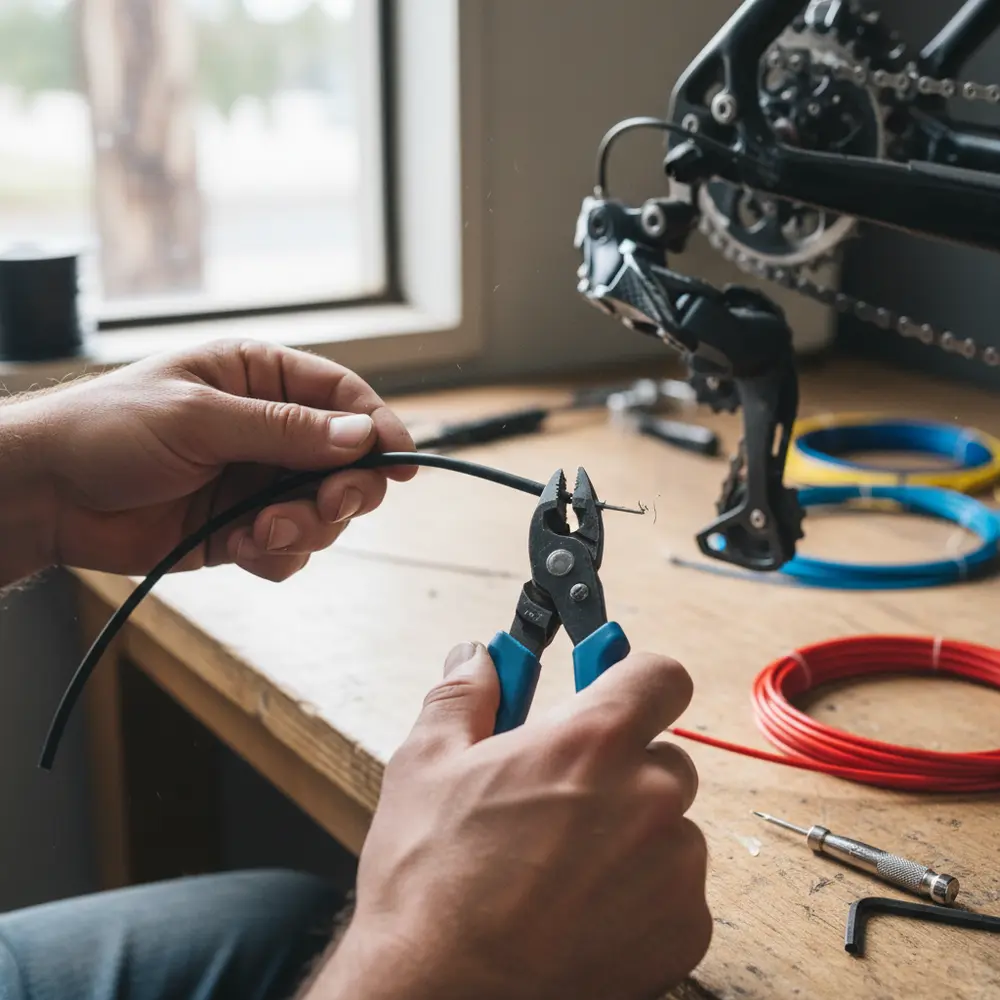
- Run your fingers along the brake and derailleur cables. Any roughness, fraying, or visible rust means it is time to replace them.
- Check the exposed bolt heads on your stem, seatpost, bottle cages, and brake callipers for surface rust. A wipe with a corrosion inhibitor spray will slow this down.
- Inspect the chain for stiff links or visible rust between the plates.
- Look at the contact points where your seatpost enters the frame and where your stem clamps the fork steerer. These dissimilar metal points can corrode faster than the surrounding components.
- Check your bearing preload at the headset and bottom bracket. Any grinding or roughness could indicate moisture has gotten past the seals.
For a broader look at routine bike checks for Australian riders, the 99 Bikes maintenance blog is a solid starting point with locally available product references.
Coastal Bike Maintenance Checklist
Use this checklist to stay on top of your bike's condition. Print it out and stick it near where you store your bike if that helps.
| Task | After Every Ride | Weekly |
|---|---|---|
| Wipe frame and components with dry cloth | Yes | Yes |
| Gentle rinse with fresh water (if near surf) | Yes, if needed | - |
| Dry chain thoroughly | Yes | Yes |
| Re-lube the chain | Yes | Yes |
| Check brake and derailleur cables for rust or fraying | Quick look | Full check |
| Inspect bolt heads for surface rust | - | Yes |
| Apply corrosion inhibitor to bolts and contact points | - | As needed |
| Check bearings for roughness or play | - | Yes |
| Confirm bike is stored away from direct sea breeze | Yes | Yes |
The Best Products for Rust and Corrosion Prevention
Lubricants, Wax Chains, and Protective Sprays Explained
Choosing the right lubricant for coastal conditions matters more than most beginners realise. The wrong lube washes off quickly, leaving your chain exposed, or it attracts so much grit that it grinds your drivetrain down faster than salt ever would.
For coastal riding, wet lube or a quality wax-based lube are your best options. Dry lube is fine for dry inland conditions but it does not cope well with the moisture and spray you get near the coast. Choosing the right chain lube for coastal conditions comes down to your specific ride environment, but wet or wax lube will cover most coastal riders well.
- Wet lube: Good water resistance, stays on the chain in humid and damp conditions. Attracts more dirt, so clean the chain more regularly.
- Wax-based lube: Cleaner application, decent water resistance, and a good all-rounder for coastal conditions. Requires more frequent re-application than wet lube in very wet conditions.
- Dry lube: Not recommended for coastal riding. It washes off too easily and leaves your chain exposed.
For protecting cables, bolts, and contact points, two products are worth knowing about. Boeshield T-9 was originally developed for aerospace corrosion protection and leaves a waxy film that displaces moisture and resists salt air. It is available from Australian cycling retailers and some hardware stores. Lanox MX4 is an Australian-made alternative that is well-regarded for marine and coastal environments and is widely available at Bunnings. Both are solid choices and far cheaper than replacing corroded components. For more detail on protective sprays for bike corrosion, Bicycling Australia covers these products with good local context.
For steel frames with unsealed internal tubes, a frame saver product sprayed inside the tubes provides a long-lasting protective barrier. This is an intermediate step but worth knowing about if you ride a steel-framed bike near the coast.
Smart Storage Tips for Coastal Riders
Where you store your bike matters almost as much as how often you clean it. Leaving a bike on an open balcony or in an unenclosed garage facing the ocean is a fast track to corrosion, even if you clean it regularly.
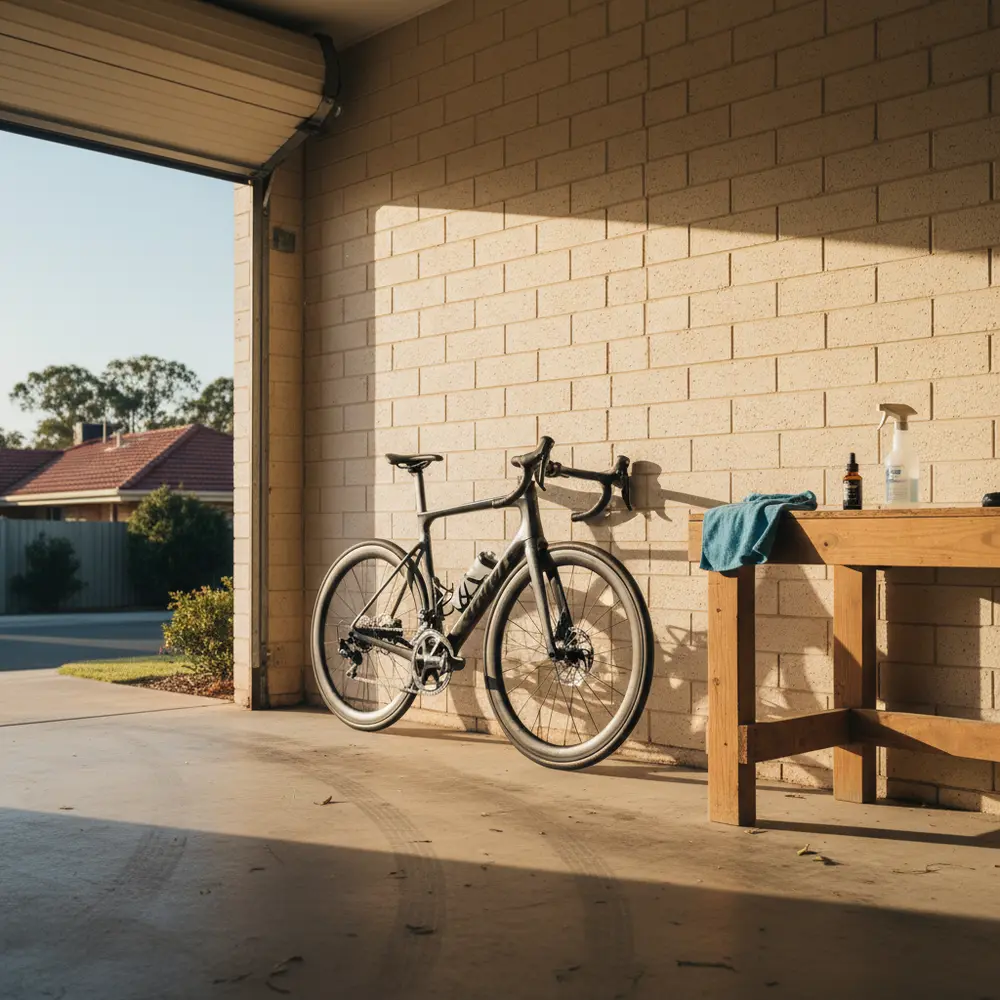
- Store your bike indoors wherever possible. A spare room, a hallway, or an enclosed garage all reduce salt air exposure significantly.
- If you must store it outside, use a breathable bike cover. Avoid non-breathable covers that trap humidity underneath.
- Keep the bike away from direct sea breeze. Even in an enclosed garage, a gap facing the ocean lets in more salt air than you might expect.
- Do not store a wet or damp bike. Always dry it before putting it away, especially the chain and cables.
- If you live very close to breaking surf, consider a weekly application of corrosion inhibitor spray on the bolt heads and contact points as standard practice, not just when you see rust.
For more on coastal bike care and how often to clean your bike near the ocean, the Velobase Australia blog has practical advice that applies directly to Australian conditions.
When to Replace Corroded Components Before They Become a Safety Issue
Corrosion is not just an aesthetic problem. A frayed brake cable, a corroded chain link, or a seized bolt can all create real safety risks on the bike. The good news is that most of these issues give you warning signs before they become dangerous, as long as you are looking for them.
- Cables: Replace brake and derailleur cables if you see fraying, rust on the inner wire, or rough movement through the housing. For a coastal rider doing three to four rides per week, inspect cables every couple of months and replace them at least once a year, possibly more often.
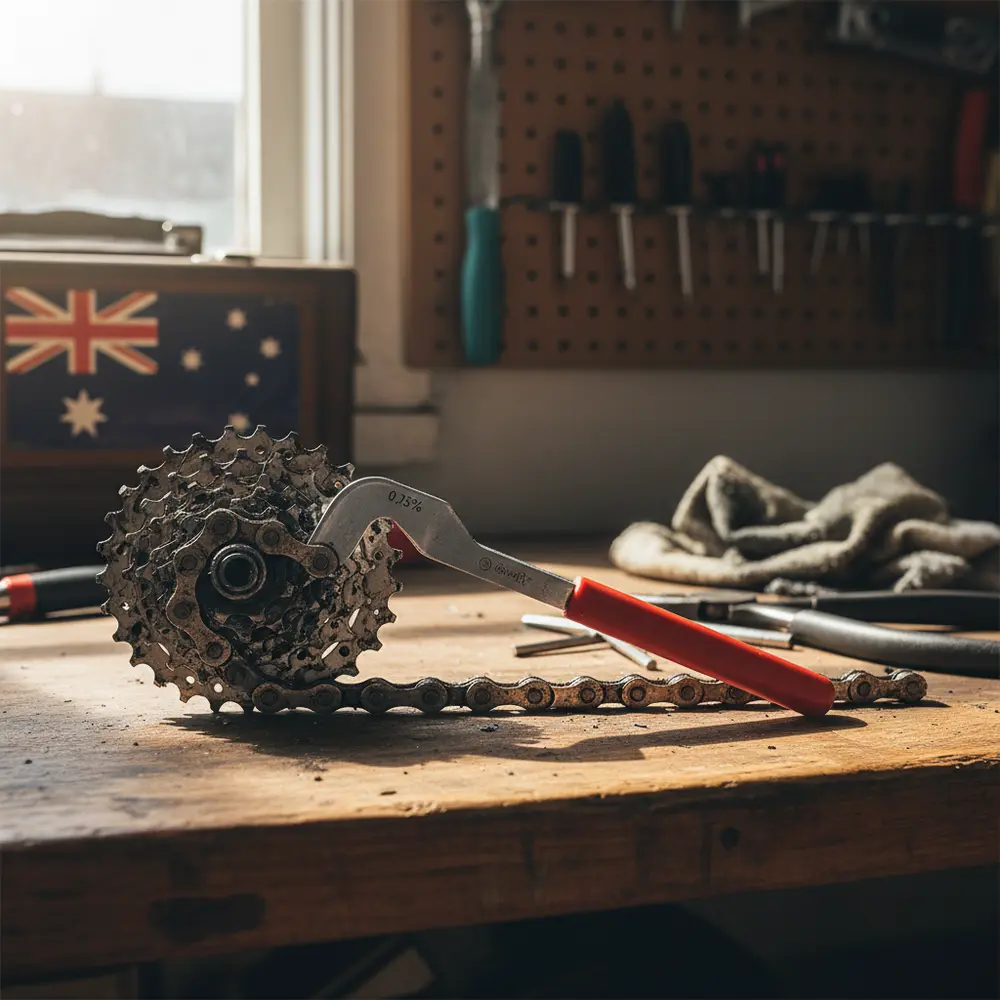
- Chain: Use a chain wear indicator tool to check stretch. A worn and corroded chain should be replaced before it damages the cassette and chainrings.
- Bolts: Surface rust on bolt heads is cosmetic. But if a bolt feels rough to turn or is showing deep pitting, replace it. Stainless steel bolt upgrades are a worthwhile investment for coastal riders.
- Bearings: Any grinding, roughness, or play at the headset, bottom bracket, or wheel hubs needs attention. A mechanic can re-grease and re-seal bearings, which is cheaper than replacing them.
If you are not sure about the condition of any component and need a hand, get in touch with us at Segment Club and we can point you in the right direction.
Common Mistakes Coastal Cyclists Make
- Using dry lube near the coast and wondering why the chain rusts between rides.
- Rinsing the bike with high-pressure water and forcing moisture into bearings and headset.
- Wiping the frame but forgetting the cables, bolts, and contact points where corrosion actually does the most damage.
- Storing the bike on an open balcony or near a window facing the ocean.
- Waiting until they see rust to take action, by then the damage is already done.
- Ignoring internal frame tubes on steel bikes, which can rust from the inside without any visible signs until it is too late.
If You Are New to Coastal Riding
- Start with just three habits: wipe down after every ride, re-lube the chain, and store the bike indoors.
- Buy a bottle of wet lube or wax lube and a can of Lanox MX4 or Boeshield T-9. That is all you need to get started.
- Do not stress about doing everything perfectly from day one. Consistent simple habits beat occasional perfect ones.
- Ask your local bike shop to check your cables and chain at your next service and tell them you ride near the coast. They will know what to look for.
- Check out our bike maintenance guides for more beginner-friendly tips on keeping your bike in good shape.
If You Have Maintained a Bike Before
- Upgrade the standard bolts on your stem, seatpost clamp, and brake callipers to stainless steel. It is a small cost and a meaningful improvement in coastal conditions.
- Consider a wax chain system if you want the cleanest, most corrosion-resistant drivetrain option. It requires more preparation upfront but delivers good results in salt air.
- Apply frame saver or a similar corrosion inhibitor to the inside of steel frame tubes if you have access to the tube openings.
- Check and re-grease your bearings at least once a year if you ride frequently near the coast. More often if you ride in wet conditions.
- Keep a log of when you last replaced cables, chain, and brake pads. Coastal conditions mean these service intervals are shorter than the manufacturer guidelines suggest for typical conditions.
- For a broader look at drivetrain maintenance and upkeep, we have resources that go deeper into chain and cassette care.
Frequently asked questions
Does rinsing my bike with fresh water after a coastal ride actually help?
Yes, it does help, but technique matters. Use low pressure water and avoid directing the stream at bearing seals, the headset, or the bottom bracket shell. The goal is to flush salt off surfaces, not force water into sealed components. Always dry the bike thoroughly and re-lube the chain afterwards.
Is wet lube or wax lube better for riding near the coast?
Both are better than dry lube for coastal conditions. Wet lube stays on the chain well in humidity and light spray but attracts more grit. Wax lube runs cleaner and offers decent moisture resistance but needs more frequent re-application. Most coastal riders find wet lube easier to maintain, while experienced riders often prefer wax for its cleanliness.
Are stainless steel bolts worth upgrading to on a coastal bike?
For most coastal riders, yes. Standard chrome or zinc plated bolts show surface rust relatively quickly near the ocean. Stainless steel bolt kits are available for stems, seatpost clamps, and brake callipers and the cost is modest compared to the hassle of seized or corroded bolts. It is a practical upgrade, not a luxury one.
How often should I replace my brake and derailleur cables if I ride near the coast?
There is no single answer that fits every rider, but if you are riding three to four times a week near the coast, inspect your cables every couple of months and plan on replacing them at least once a year. If you see any fraying, roughness, or rust on the inner wire, replace them straight away regardless of how recently you fitted them. Corroded brake cables are a safety issue.
Is a carbon or titanium frame worth it to avoid corrosion near the coast?
Carbon fibre frames do not corrode, but the aluminium inserts, bolt sleeves, and contact points still need protection. Titanium is the most corrosion-resistant common frame material and is genuinely low maintenance in coastal conditions. Whether either is worth the cost depends on your budget and how long you plan to keep the bike. Aluminium frames with good maintenance habits perform well for most coastal riders at a much lower price point.
Wrapping Up
Riding near the coast is one of the great joys of cycling in Australia. The conditions are tougher on your bike, but they are very manageable with a few consistent habits. Here is a quick summary of what matters most:
- Wipe down and re-lube after every coastal ride. This one habit does more than anything else.
- Use wet lube or wax lube near the coast. Dry lube is not suited to the environment.
- Apply a corrosion inhibitor like Lanox MX4 or Boeshield T-9 to cables, bolts, and contact points regularly.
- Store your bike indoors and away from direct sea breeze whenever possible.
- Inspect cables, chain, and bolts regularly and replace them before corrosion becomes a safety issue.
For more practical advice on keeping your bike in top shape, browse our bike maintenance articles or contact us if you have a specific question about your setup.
This is educational content, not financial advice.