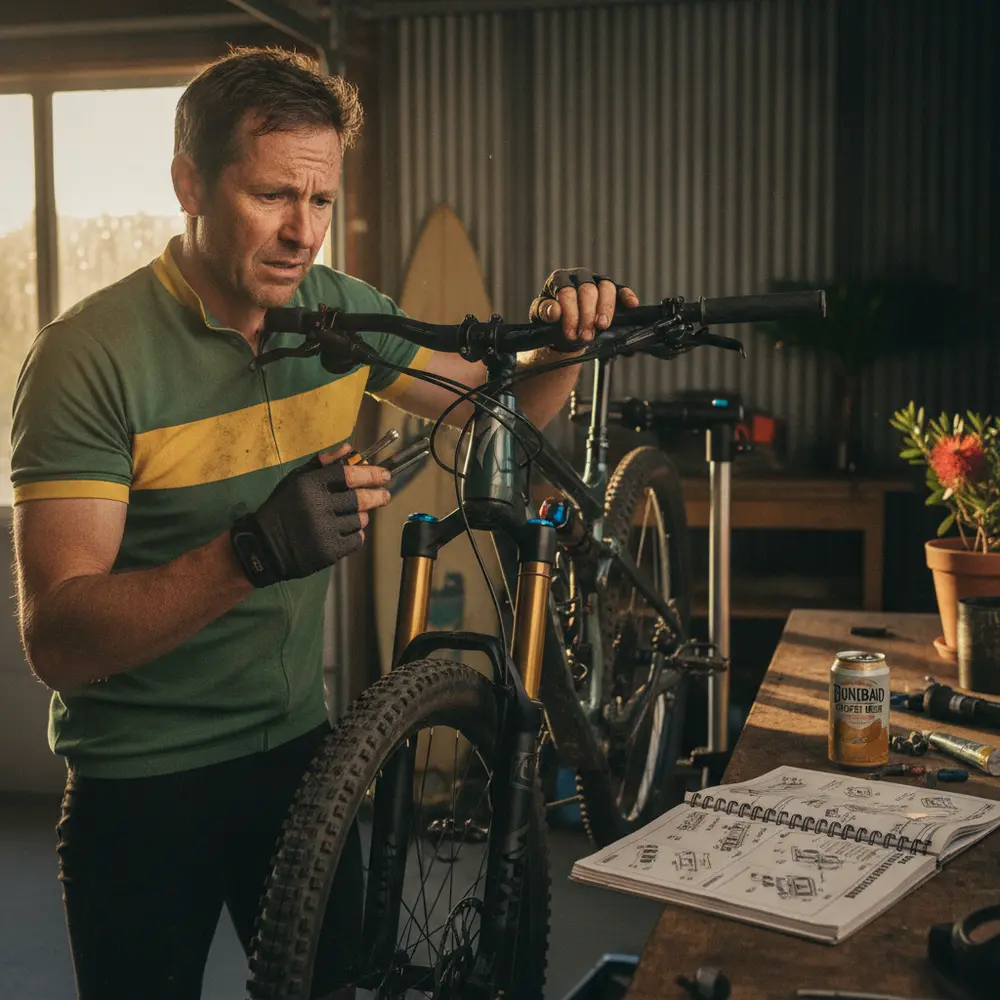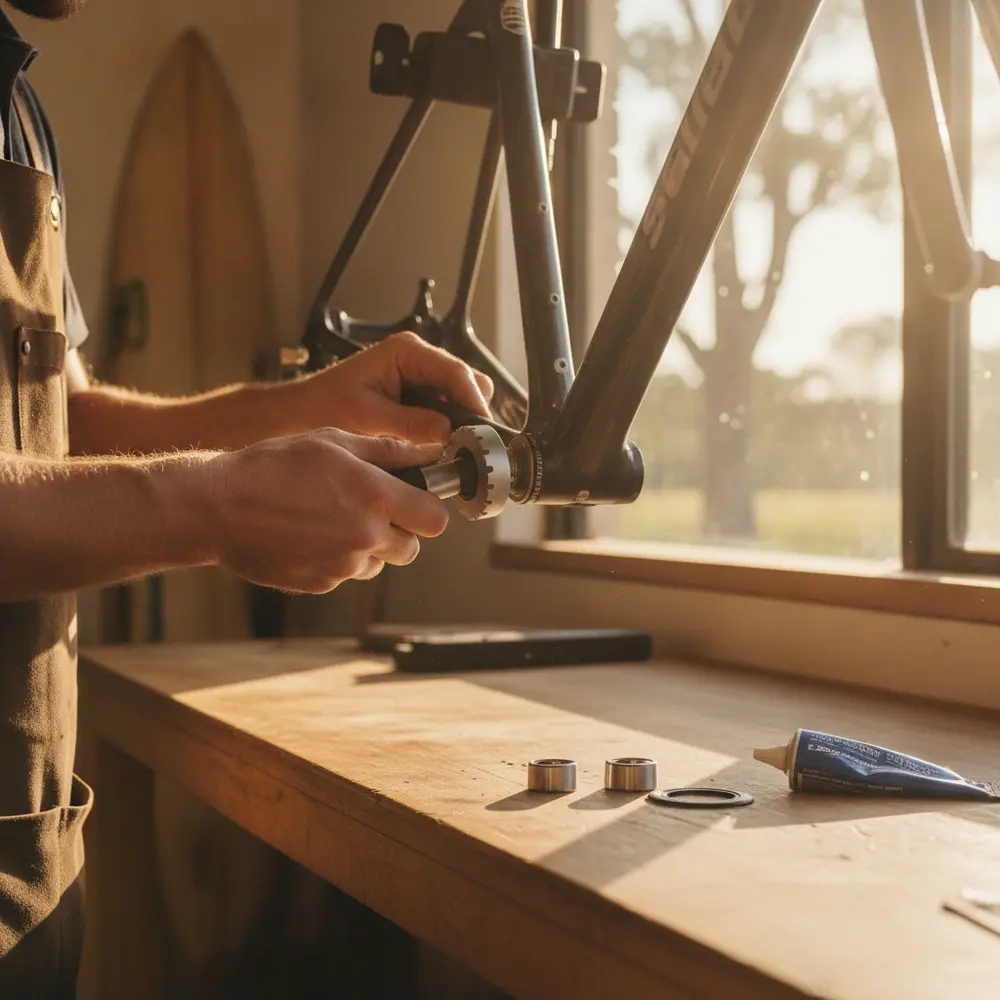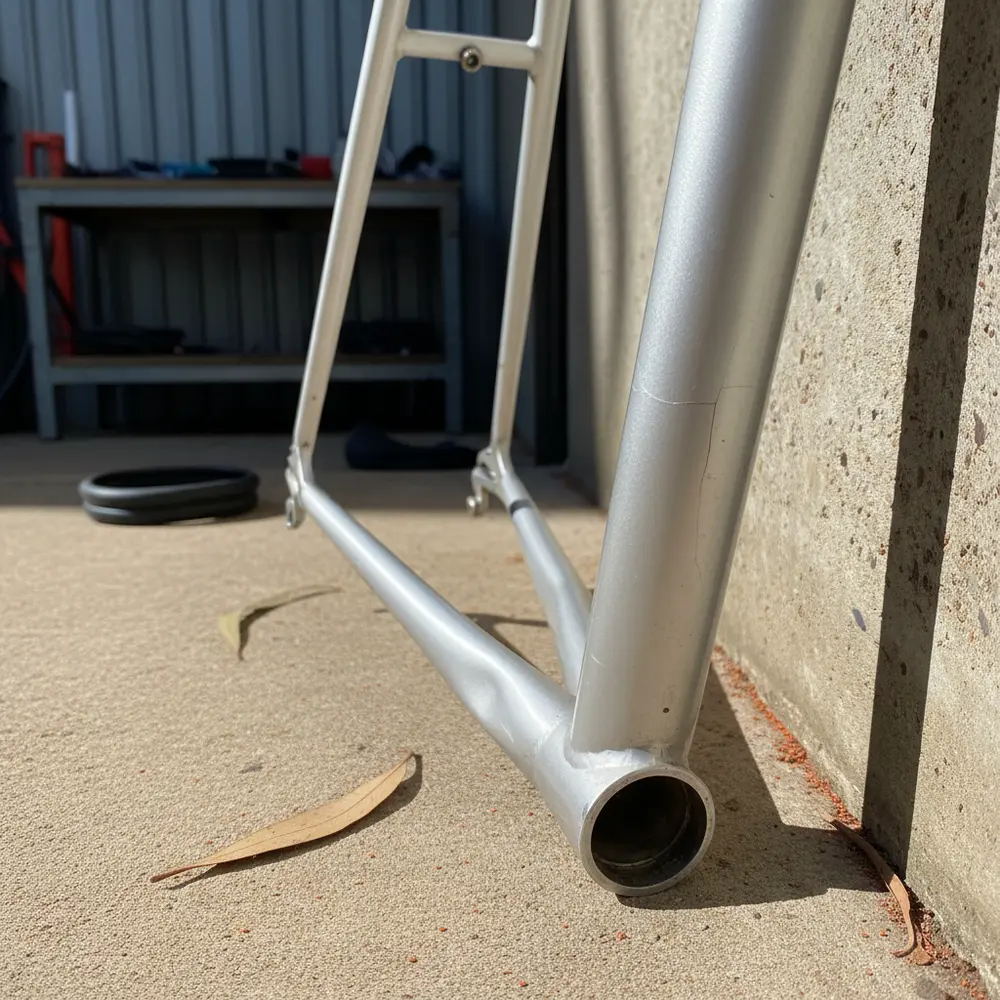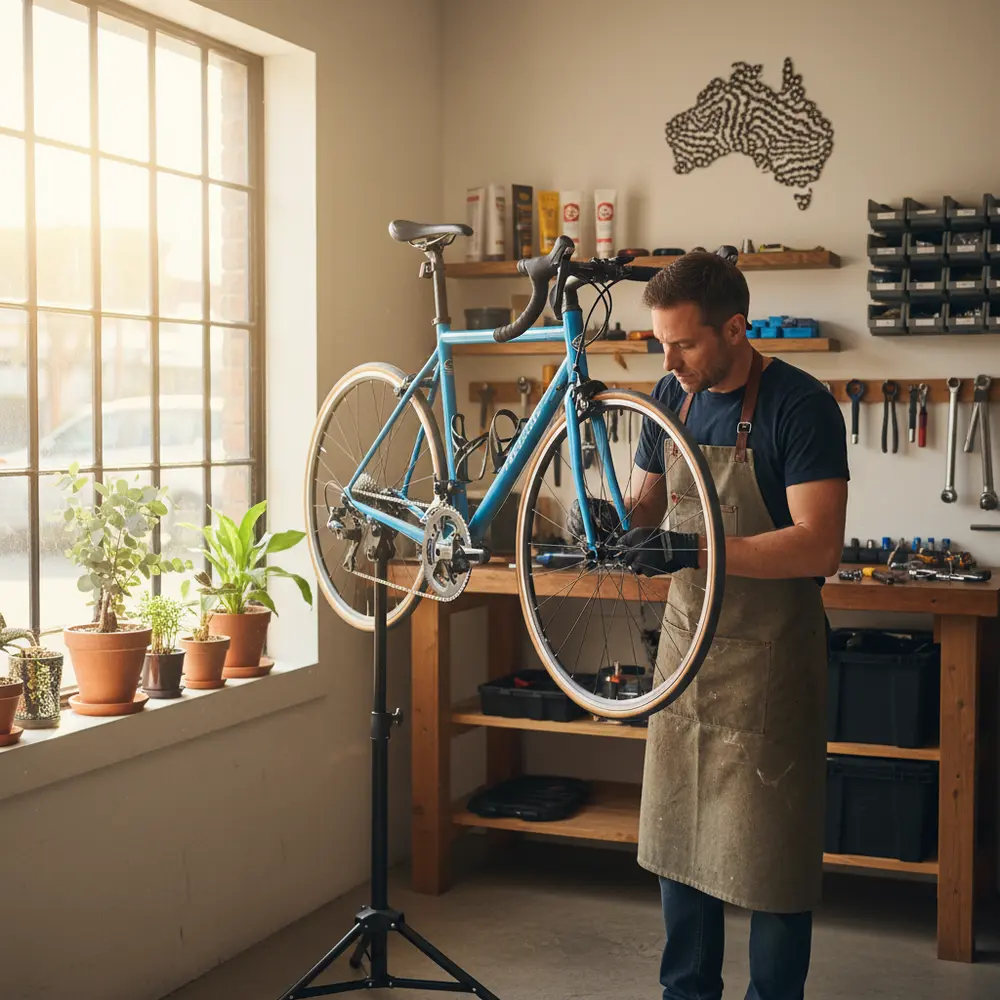
Australia is a big country with wildly different riding conditions depending on where you live, and your bike does not care that you only ride on weekends. Neglect a service at the wrong time of year and you will pay for it in worn parts, poor performance, or a mechanical at the worst possible moment.
By the end of this article you will know exactly which months to book a cycling mechanic, what they check during a tune-up, and which seasonal tasks you can handle yourself before deciding if a shop visit is needed.
Note for Australia:
- Australia does not have four uniform seasons. Brisbane and Darwin riders face a wet-dry cycle, while Melbourne, Sydney and Perth follow a more temperate pattern. Adjust the windows below to your region.
- Coastal riders dealing with salt air need to pay closer attention to corrosion on cables, bolts and brake rotors than inland riders.
- Riding volume matters as much as season. A commuter doing 200km per week needs a different schedule than a weekend warrior doing 50km.
At a glance:
- Most recreational Australian cyclists should aim for two professional services per year, one before summer and one before or after winter.
- High-volume riders, mountain bikers and commuters need more frequent visits, ideally every three months or every 500 to 1,000km.
- Some jobs look simple on YouTube but genuinely need a shop, including wheel truing, headset and bottom bracket replacement, and hydraulic brake bleeding.
- Deferring maintenance nearly always costs more in the end, as worn chains accelerate cassette and chainring wear.
Key takeaways:
- Season and kilometres both drive your service interval. Use both to decide.
- Know which checks are DIY-friendly and which need a mechanic with the right tools.
- Book ahead of big events and rides, not after a problem appears.
Why Australian Seasons Change Your Service Schedule
Most service interval advice you find online comes from the northern hemisphere, where winter means ice, salt on roads, and months off the bike. In Australia, many riders keep pedalling year-round, which means your drivetrain, tyres and cables accumulate wear without the natural reset of a long off-season.
The practical result is that a once-a-year service that might work for a European cyclist riding six months of the year is probably not enough for an Australian riding twelve. Understanding what each season does to your components helps you decide when to pick up the phone to your local shop.
Summer Heat, UV and Dust - What They Do to Your Drivetrain
Australian summers are harsh on rubber and lubricants. UV exposure accelerates degradation of tyre sidewalls, brake hoods, cable housing and bar tape. Chain lube breaks down faster in high heat, leaving your drivetrain running dry sooner than you expect.
Dust and fine grit act as a grinding paste on your chain, cassette and chainrings. If you are riding on red dirt roads in Queensland or the dry trails around Canberra in January, your drivetrain is working harder than it looks. Check chain wear and re-lube more frequently than you would in cooler months.
Winter Riding in Australia - Wet Roads, Mud and Corrosion
For Melbourne, Sydney and Hobart riders, winter means wet roads, mud and grit sprayed into every moving part. Chain wear accelerates significantly in wet conditions because water washes out lubricant and mud acts as an abrasive. Brake pads wear faster. Cable housing traps moisture and corrodes from the inside, which you will not notice until your shifting starts feeling sluggish.
Destinations like Blue Derby in Tasmania receive significant rainfall across much of the year, and riding there in shoulder season can punish a drivetrain quickly. Even a few wet rides on a chain that has not been cleaned and re-lubed can accelerate wear noticeably compared to dry conditions. It is worth checking your chain wear number after any extended wet stretch, not just at the end of the season.
The Four Seasonal Tune-Up Windows Australian Cyclists Should Know
Think of these as prompts, not rigid rules. Adjust based on your region and how much you ride.
| Season | Timing (approx.) | Priority action | Who it matters most for |
|---|---|---|---|
| Pre-Summer | September - October | Full service. Check tyres, cables, drivetrain, brakes. Book before Around the Bay and similar spring events. | All riders. Non-negotiable for anyone doing a big event. |
| Mid-Summer | December - January | DIY chain clean and lube. Check tyre sidewalls for cracking. Top up brake pads if worn. | High-volume riders and commuters. |
| Pre-Winter | April - May | Check cables and housing. Replace chain if at wear limit. Consider wet-condition lube. | All riders. Critical in Melbourne, Sydney, Hobart. |
| Post-Winter | August - September | Professional service. Assess chain, cassette, brake pads, cable tension and wheel true. | All riders. Best time to catch winter wear before spring riding ramps up. |
Queensland and Northern Territory riders work to a different rhythm. The wet season from roughly November to April brings humidity, tropical downpours and red dirt that punishes bikes hard. A post-wet-season service in April or May is the single most important appointment on your calendar if you ride through the wet.
What a Cycling Mechanic Actually Checks During a Tune-Up
A lot of riders are not sure what they are paying for when they drop their bike at the shop. Here is a plain-language run-through of what a good mechanic looks at during a standard tune-up.
- Chain wear - measured with a chain checker tool. Chains are typically replaced at 0.5% to 0.75% stretch depending on your drivetrain. Shimano recommends chain inspection every 500 to 1,000km depending on riding conditions.
- Cassette and chainring condition - checked for hooked or worn teeth. A worn chain left too long will take the cassette with it, which costs more to fix.
- Brake pad depth and rotor condition - pad wear and rotor thickness are measured. Disc brake rotors have a minimum thickness marked on them.
- Cable tension and housing condition - cables stretch over time, and housing cracks or corrodes. Sluggish shifting is almost always a cable issue first.
- Tyre condition and pressure - sidewall cracking, tread depth and correct pressure for your weight and terrain.
- Headset and bottom bracket play - checked by feel and movement. Loose or creaking bearings here get worse fast if ignored.
- Spoke tension and wheel true - wheels get knocked out of true gradually. A mechanic checks lateral and radial true and adjusts spoke tension accordingly.
- Contact points - saddle, stem and handlebar bolts are checked for correct torque. Carbon components in particular need this done properly.
The Difference Between a Basic Tune-Up and a Full Service
A basic tune-up covers adjustments: brake and gear cable tension, a clean and lube, tyre pressure check, and a safety once-over. It is suitable for a well-maintained bike that just needs a reset. Costs for a basic tune-up at an Australian bike shop typically range from around AUD 60 to 120, though this varies by city and shop.
A full service goes further. It includes removing, inspecting and regreasing components, wheel truing, thorough drivetrain cleaning, and replacement of worn parts as needed. Full services can run from AUD 150 to 300 or more before parts costs. Always ask for a written quote before authorising work, especially if parts replacement is likely. You can get a general sense of bike service costs in Australia from consumer resources before you walk in.
How Riding Style and Terrain Affect Your Service Interval
Kilometres and conditions are the two variables that matter most. Season gives you a useful calendar prompt, but your actual riding volume and terrain are what drives component wear. A rider doing 50km on smooth tarmac every weekend is in a very different situation to a commuter grinding 200km a week through city traffic and wet roads.
As a general guide from professional mechanics, a basic service every three months or every 500 to 1,000km is appropriate for regular riders. Professional bike mechanic guidance consistently flags that deferred maintenance results in higher costs later, particularly when a worn chain is left until it has damaged the cassette.
Road Cyclists vs Mountain Bikers vs Commuters - Who Needs More Frequent Visits
Here is a straight breakdown by rider type.
- Road cyclists (recreational, clean roads) - two professional services per year is usually sufficient if you maintain your chain between visits. Pre-summer and post-winter are the two windows to prioritise.
- Mountain bikers - expect to visit a mechanic two to four times per year if you ride regularly. Trails like Stromlo Forest Park and Blue Derby feature surfaces that accelerate wear on drivetrains, suspension and brakes significantly faster than road riding. Suspension service intervals are a separate consideration entirely.
- Commuters - often the most neglected bikes in Australia. Daily riding through rain, traffic grime and dust adds up fast. A professional check every three months is a sensible baseline.
- Gravel and mixed terrain riders - sit between road and mountain bike in terms of wear. Two to three services per year depending on volume and conditions.
Signs Your Bike Needs a Mechanic Before the Next Season Rolls Around
Do not wait for a season change if your bike is telling you something is wrong. These are the signals that mean you should book in sooner rather than later.
- Shifting is hesitant, skipping gears, or not dropping cleanly under load.
- Brakes feel spongy, pull to the bar, or squeal consistently (disc brake squeal after wet riding that does not clear after a few stops warrants a look).
- A persistent creak or click that you cannot locate - often a bottom bracket, pedal thread or dry pivot point.
- The chain skips or jumps under power, particularly when you push hard out of a corner or on a climb.
- Tyres show visible cracking on the sidewall or the tread is visibly worn through.
- Any wobble or play in the headset or wheel that was not there before.
From a legal standpoint, bikes ridden on Australian roads are required to have functioning brakes. In NSW, for example, NSW cyclist road rules are clear that equipment must meet a roadworthy standard. A professional service is the most straightforward way to stay on the right side of that.
Seasonal Tune-Up Checklist: DIY vs Mechanic
Run through this checklist at the start of each season. Items marked DIY are manageable for most riders with basic tools. Items marked Shop need either specialist tools or expertise that is genuinely worth paying for.
Summer (October to February)
- Chain wear check with a chain checker tool - DIY if you own a checker, otherwise Shop
- Clean and re-lube chain with a dry or wax-based lube - DIY
- Check tyre sidewalls for UV cracking - DIY
- Check and top up tyre pressure - DIY
- Check brake pad depth - DIY (visual check)
- Check brake and gear cable tension - DIY (basic adjustments only, housing condition is harder to judge)
Autumn (March to May)
- Replace chain if at or near wear limit - DIY with the right tools, or Shop if unsure
- Check cables and housing for corrosion or cracking - Shop for housing replacement
- Switch to a wet-condition chain lube if heading into a wet winter - DIY
- Inspect brake pads. Replace if worn - DIY for rim brakes, Shop recommended for hydraulic bleed and rotor check
- Check spoke tension and wheel true - Shop
Winter (June to August)
- Clean chain after every wet ride and re-lube - DIY
- Check brake performance regularly. Disc pads wear faster in grit - DIY (visual), Shop if spongy feel develops
- Inspect tyres for embedded debris and sidewall condition - DIY
- Check headset for play (turn bars lock to lock and push-pull at the head tube) - DIY check, Shop for adjustment
- Wipe down and lightly oil exposed bolts, pivot points and derailleur jockey wheels - DIY
Spring (September to October)
- Book a professional service before your first big ride of the season - Shop
- Check chain wear again after winter. Replace if needed - DIY or Shop
- Inspect tyre tread and sidewalls. Replace if worn - DIY decision, Shop to fit if needed
- Check bottom bracket for play or creaking - DIY check, Shop for bearing replacement
- Check bar tape and brake hoods condition - DIY replacement is manageable with patience
- Check saddle clamp and stem bolt torque - DIY with a torque wrench, especially on carbon
Common Mistakes
- Waiting until something breaks - reactive maintenance costs more than preventive servicing, almost every time.
- Only servicing once a year regardless of how much you ride - a once-a-year service is a starting point, not a ceiling. Volume and conditions drive the actual interval.
- Ignoring chain wear - a worn chain is the single most common cause of premature cassette and chainring replacement. A chain checker costs very little.
- Assuming a clean bike is a serviced bike - a freshly washed bike can still have a worn chain, stretched cables and a loose headset.
- DIY-ing headsets, bottom brackets and wheel truing without the right tools - these jobs look approachable on video but genuinely need a workshop press, a proper truing stand, and experience to get right.
- Not asking for a quote before authorising parts replacement - always ask what parts might be needed and at what cost before the mechanic starts work.
If You Are New to Getting Your Bike Serviced
- Start with at least one professional service per year. Spring is the best time if you can only do one.
- Ask your mechanic to walk you through what they found and why it needed fixing. A good mechanic will explain without making you feel like you should have known.
- Buy a basic chain checker and a floor pump with a pressure gauge. These two tools will save you money over time.
- Do not be embarrassed by the state of your bike. Mechanics have seen worse, and a dirty bike is a normal bike.
- Check out a basic bike maintenance guide to get comfortable with the fundamentals between shop visits.
If You Have Had Your Bike Serviced Before
- Start tracking your kilometres by season, not just annually. Most cycling apps make this easy.
- Invest in a chain checker and measure every 200 to 300km. Catching wear early saves your cassette.
- Learn to adjust barrel adjusters for cable tension. It takes five minutes and fixes 80% of shifting drift between services.
- If you are on hydraulic disc brakes, understand when your brakes need bleeding. A spongy lever feel is the main signal, and this is a Shop job.
- Consider a guide on when to see a bike mechanic to sharpen your own diagnostic confidence between visits.
- Plan your service calendar around your big rides. If you are targeting Around the Bay or a gravel event, book your mechanic six to eight weeks out, not the week before.
How to Get the Most Out of Your Bike Shop Visit
A bit of preparation makes a real difference to what you get out of a shop appointment.
- Write down any noises, shifting issues or handling changes you have noticed. The more specific you can be, the faster the mechanic can find the problem.
- Ride the bike to the shop if possible rather than loading it in the car. Sometimes a problem only shows up under load.
- Ask for a written quote before authorising any parts replacement.
- If you have a big event coming up, mention it so the mechanic knows the timeline. Good shops will prioritise safety-critical items if there is a deadline.
- Do not forget to ask about anything you are unsure about. A good mechanic is happy to answer questions, and it helps you maintain the bike better between visits.
Frequently asked questions
How often should I get my bike professionally serviced in Australia?
For most recreational riders, twice a year is a solid baseline. Pre-summer in September or October and post-winter in August or September are the two most useful windows. High-volume riders, commuters and mountain bikers should consider a professional check every three months or every 500 to 1,000km, whichever comes first.
Is one service a year enough for a weekend rider?
It depends on how many kilometres you are riding. A rider doing around 50km per week on clean roads in a dry climate can get away with one annual service if they are doing basic DIY maintenance between visits, including chain cleaning and wear checks. Increase to twice a year if you ride through wet winters or in dusty conditions.
What is the difference between a basic tune-up and a full service?
A basic tune-up covers adjustments, a clean and lube, and a safety check. A full service involves removing and inspecting components, greasing bearings, wheel truing and replacing worn parts. Basic tune-ups typically cost AUD 60 to 120 at Australian shops. Full services can run from AUD 150 to 300 or more before parts costs are added.
Do mountain bikers need to see a mechanic more often than road cyclists?
Yes, meaningfully so. Trail riding on surfaces like those at Stromlo or Blue Derby in Tasmania puts significantly more stress on drivetrains, tyres and brakes than road riding. Two to four professional services per year is a realistic expectation for regular trail riders. Suspension service intervals are additional to this and depend on the fork and shock manufacturer's recommendations.
Can I service my own bike and skip the mechanic?
You can handle a lot yourself: chain cleaning and lubing, tyre pressure, basic cable tension adjustments, and visual checks. But some jobs genuinely need proper workshop tools and trained hands. Wheel truing under load, headset pressing, bottom bracket facing, and hydraulic brake bleeding are all jobs where a good mechanic pays for themselves. Australian cyclists discuss this balance regularly, and the consistent advice from experienced riders is to know your limits and use a mechanic for the structural stuff.
Summary
- Two professional services per year is the starting point for most Australian recreational riders. Adjust up based on kilometres, terrain and conditions.
- The pre-summer window in September or October and the post-winter window in August are the two most valuable service appointments on your calendar.
- Queensland and Northern Territory riders should plan a post-wet-season service as their highest priority appointment.
- Chain wear is the single most cost-effective check you can do yourself between visits. Catch it early and save your cassette.
- Know which jobs are genuinely DIY-friendly and which need a mechanic. The line is usually drawn at anything involving bearing presses, hydraulic systems or wheel truing.
This is educational content, not financial advice.