Your bike works hard every ride, and without a proper annual service, small problems quietly become expensive ones. In Australia in 2026, knowing what a service should include and what it should cost is the difference between a fair deal and an unpleasant surprise at the counter.
By the end of this article, you will know exactly what a standard annual bike service covers, what price ranges to expect at an Australian bike shop, and which questions to ask your cycling mechanic before you hand over your bike. You will also walk away with a practical checklist you can take with you.
Note for Australia:
- Labour costs at Australian bike shops have increased noticeably since 2020. Do not expect pre-COVID prices in 2026.
- Parts are often quoted separately from labour. Always ask for a full itemised estimate before work begins.
- Mobile bike mechanics are a growing and legitimate option, especially for riders outside of major metro areas.
At a glance:
- A basic tune-up covers adjustments, cleaning, and lubrication. A full annual service goes much deeper.
- Typical Australian bike service costs range from around $80 to $250 or more, depending on service level and bike type.
- E-bikes and bikes with electronic groupsets generally cost more to service than standard mechanical bikes.
- You have consumer rights. Always ask for a quote before work starts.
Key takeaways:
- Annual servicing protects your investment and keeps your riding safe.
- Understanding what each service tier includes helps you avoid paying for things you do not need.
- A trustworthy cycling mechanic will explain the work before doing it, not after.
Why Your Bike Needs an Annual Service
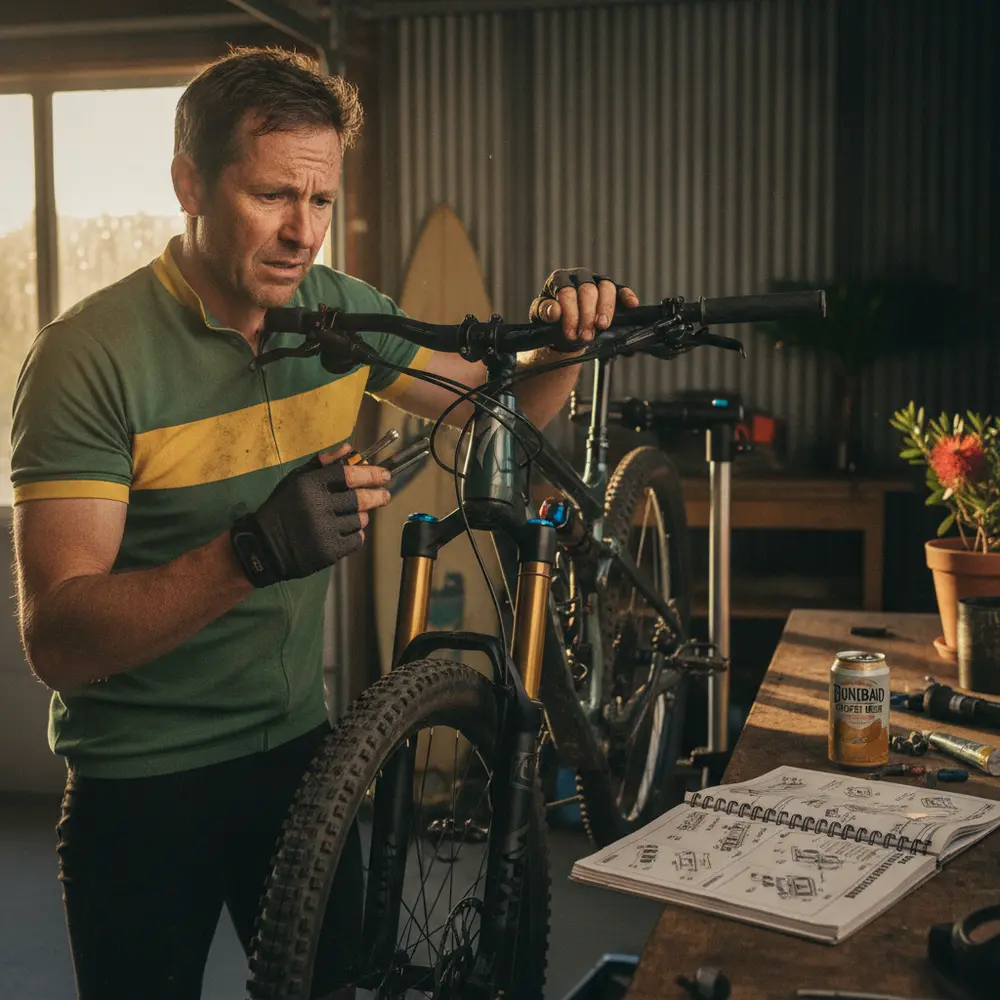
A bike is a mechanical system, and every moving part wears with use. Cables stretch, brake pads thin down, chains elongate, and bearings slowly degrade. Most of this happens gradually, so gradually that you may not notice until something fails mid-ride or your braking suddenly feels soft.
Think of it like a car service. You would not drive 20,000 kilometres without checking the oil and brakes. Your bike deserves the same logic. As the Bicycle Network bike maintenance guide outlines, regular professional servicing is recommended for all bike types, and it directly reduces long-term repair costs.
What Happens When You Skip It
Skipping your annual service is not just a comfort issue, it is a safety issue. Worn brake pads reduce stopping power. A stretched chain will start to damage your cassette (the cluster of gears at the rear wheel) and your chainrings (the gears at the pedals), turning a $30 chain replacement into a $200-plus drivetrain replacement. Cables that have not been checked can snap or slip at the worst time.
According to Cycling Weekly's chain maintenance guide, a worn chain left too long can multiply your replacement costs significantly by destroying the cassette and chainrings it runs across. It is one of the most common and avoidable mistakes beginner riders make.
What Does an Annual Bike Service Actually Include
This is where a lot of confusion starts. Not every shop uses the same terminology, and what one calls a "full service" another might call a "standard service." Here is a plain-English breakdown of the three main service tiers you will encounter at Australian bike shops.
Basic Service vs Full Service: What Is the Difference
A basic tune-up is a light touch. It typically covers gear and brake adjustments, a clean and re-lube of the chain, and a visual safety check. It is what you might book if your shifting feels a little off after a few months of riding.
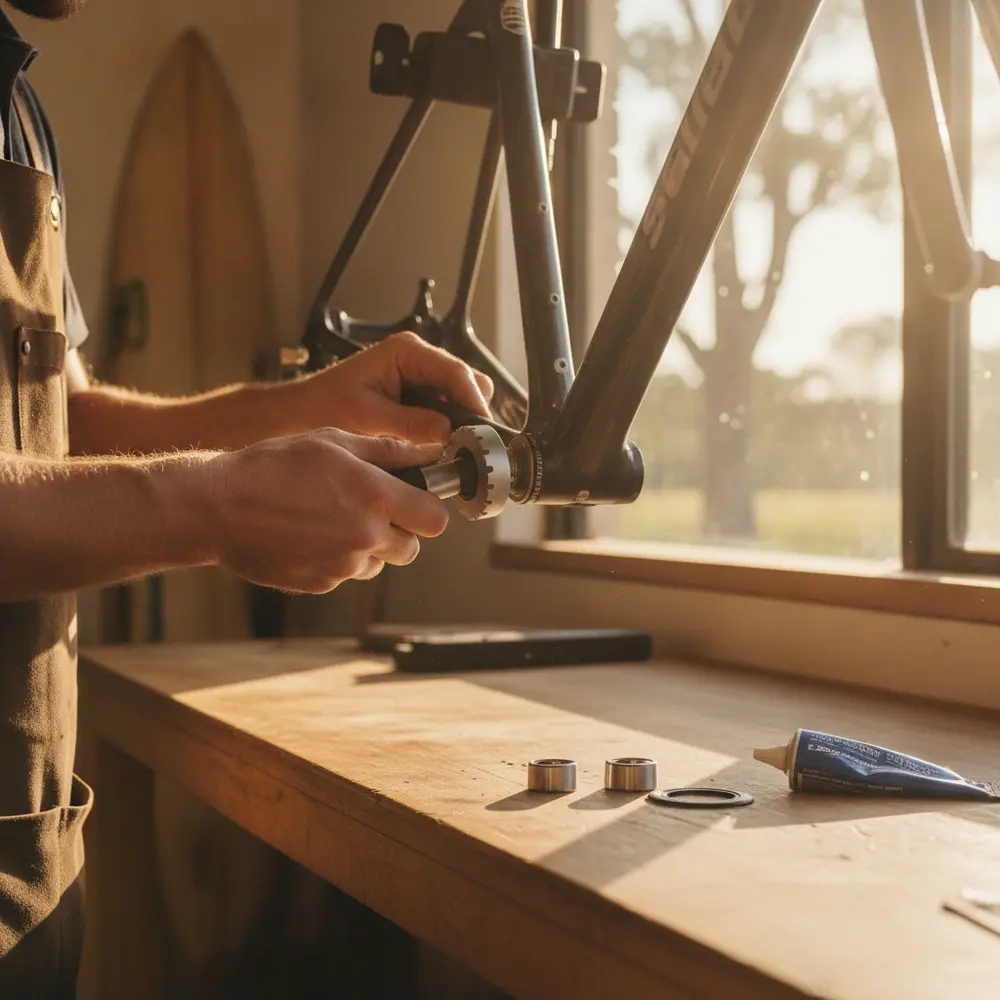
A standard annual service is more thorough. It includes everything in a basic tune-up, plus a proper inspection of cables and housing (the protective outer sheath cables run through), brake pad wear, derailleur alignment, tyre condition, bearing checks on the headset (the steering bearing at the front), bottom bracket (the bearing that connects the pedals and cranks), and wheel hubs. Bolts are checked for correct torque, and the bike is cleaned properly.
A major overhaul involves a full strip-down of the bike. Bearings are repacked or replaced, all cables and housing are replaced, and every component is inspected individually. This is the kind of service a bike needs after years of neglect or hard use. It costs significantly more and takes more workshop time.
As 99 Spokes explains in their bike service tiers breakdown, parts are often quoted separately from labour at most shops. Always clarify whether the quoted price includes parts like cables and brake pads, or whether those are additional.
How Much Should a Bike Service Cost in Australia in 2026
Here is a general guide to what you should expect to pay at an Australian bike shop in 2026. These are market average ranges and will vary by city, shop, and the condition of your bike. They do not include parts unless noted.
| Service Type | What Is Included | Typical Price Range (AUD) |
|---|---|---|
| Basic tune-up | Adjustments, clean, lube, safety check | $70 to $110 |
| Standard annual service | Full inspection, cable check, brake and gear adjustment, bearing check, clean | $120 to $200 |
| Major overhaul | Full strip-down, all cables replaced, bearings serviced, deep clean | $250 to $400 plus parts |
These figures are approximate and based on general market observation. Your local shop may price differently based on their overheads, location, and the mechanic's experience level. Always ask for an itemised quote.
Road Bike vs Mountain Bike vs E-Bike Service Costs
The type of bike you ride has a real impact on what a service costs. Here is what to be aware of.
- Road bikes with standard mechanical groupsets (gear and brake components) from brands like Shimano are typically the most straightforward and affordable to service.
- Mountain bikes can cost more due to suspension components, hydraulic disc brakes, and the additional wear that off-road riding causes. Suspension fork servicing is often a separate charge.
- E-bikes generally attract a higher service rate. The motor, battery connections, and electronic systems require specialist knowledge and may involve firmware checks. Budget for a meaningful premium over a standard service.
- Bikes with electronic groupsets such as Shimano Di2 require firmware updates and specific tools. Check with your mechanic that they are equipped to handle electronic components before booking.
What Drives the Price Up: Labour, Parts, and Bike Condition
Labour is the biggest cost factor. Australian trade labour rates have increased since 2020, so if you are comparing to what you paid five years ago, expect a notable difference. A bike that has not been serviced in two or three years will also take longer to work on, which means a higher labour bill.
Parts are charged on top of labour in most cases. Common consumables that get replaced at an annual service include brake pads, gear and brake cables, cable housing, and bar tape on road bikes. Knowing the rough retail cost of these parts (easy to check at an Australian retailer like Pushys' bike servicing guide) gives you a useful reference when reviewing a quoted price.
Annual Bike Service Checklist
Print this or screenshot it before your next service. Use it to understand what you are paying for and to have an informed conversation with your cycling mechanic.
| Service Item | Basic Tune-Up | Full Annual Service |
|---|---|---|
| Gear adjustment (front and rear derailleur) | Yes | Yes |
| Brake adjustment | Yes | Yes |
| Chain clean and lubrication | Yes | Yes |
| Visual safety check | Yes | Yes |
| Cable tension check | Partial | Yes |
| Brake pad wear inspection | Visual only | Yes - replaced if needed |
| Tyre condition and pressure check | Visual only | Yes |
| Derailleur hanger check (the small part that protects your frame if you drop the bike) | No | Yes |
| Headset bearing check (steering) | No | Yes |
| Bottom bracket check (pedal/crank bearing) | No | Yes |
| Wheel hub bearing check | No | Yes |
| Wheel true (straighten the rim) | Minor only | Yes |
| Bolt torque check | No | Yes |
| Full bike clean | Basic wipe-down | Yes |
| Cable and housing replacement | No | If needed, charged separately |
How to Find a Trustworthy Cycling Mechanic in Australia
Word of mouth from your local riding group is often the best starting point. If you are not yet connected with a local club, resources like Bicycle NSW can help you find reputable services and clubs in your area. A good mechanic will explain what they found, what they did, and why. They will not pressure you into parts you do not need.
Here is what to look for when choosing a cycling mechanic or bike shop for your annual service.
- They offer a written or itemised quote before starting work. This is your right as a consumer.
- They are happy to walk you through what the service includes.
- They have experience with your specific bike type, especially important for e-bikes or high-end electronic groupsets.
- Other riders in your area have had positive experiences with them.
- They do not charge you for parts without asking first.
It is worth noting that under Australian consumer law, you are entitled to a quote or estimate before work begins, and any additional work or parts should be approved by you first. The NSW Fair Trading repairs and maintenance rights page is a good resource for understanding your consumer protections when using any trade service, including a bike mechanic.
When to DIY and When to Pay a Professional
There is plenty you can do yourself between annual services to keep costs down and your bike in good shape. And there are jobs that genuinely need a professional workshop. Knowing the difference saves you money and keeps your bike safe.
If you are new to bike maintenance:
- Start with cleaning and lubricating your chain regularly. This single habit extends the life of your drivetrain more than anything else.
- Check your tyre pressure before every ride. A correctly inflated tyre rolls better and punctures less often.
- Squeeze your brake levers before you ride. If they feel soft or pull close to the handlebar, book a service.
- Do not attempt to adjust brakes or gears yourself until you have had someone show you the basics. A poorly adjusted brake is a safety risk.
- When in doubt, take it to the shop. The cost of a check is far less than the cost of a crash or a broken component.
If you have done basic maintenance before:
- Learn to measure chain wear with a chain checker tool. Replacing a chain at the right time is the single best way to protect your cassette and chainrings.
- Minor brake and gear adjustments are well within reach if you are patient and use the right tools.
- Replacing bar tape on a road bike is a satisfying and easy job to do yourself.
- Leave headset, bottom bracket, and hub bearing work to a mechanic unless you have done it before and have the right tools.
- If your bike has electronic components, always use an authorised service provider for anything beyond basic cleaning.
Mobile Bike Mechanics: A Legitimate Option in Australia
Mobile bike mechanics have grown significantly in Australian cities and regional areas since 2020. They come to your home or workplace, which is genuinely convenient if you have a busy schedule or live outside easy reach of a quality bike shop.
Pricing for mobile services is often comparable to a traditional workshop, sometimes slightly higher due to travel costs. The trade-off is convenience. Not all mobile mechanics have the full equipment of a workshop, so for major overhauls or suspension servicing, a traditional shop may still be the better choice. For a standard annual service, a good mobile mechanic is a perfectly reasonable option. As the Velofix comparison of mobile bike mechanics vs bike shops notes, quality and capability varies, so asking about their experience with your specific bike type is always a smart move.
Getting the Best Value From Your Bike Service
A few habits will help you get more from every service dollar you spend.
- Book your service at the start of spring or after winter. Shops are less busy and you are set up for the best riding months.
- Clean your bike before you drop it off. A mechanic who does not have to degrease weeks of grime will focus their time on the actual service work.
- Keep a simple log of your riding distance and past services. It helps your mechanic give better advice about what needs attention.
- Ask your mechanic to show you what they found, especially worn parts. A good mechanic will be happy to do this.
- Do not skip the annual service to save money. Skipping it usually costs more in the long run when small problems become big ones.
If you want more guidance on where to ride, how to train, or how to get more from your cycling in Australia, explore what we have on Segment Club. And if you have questions about your specific bike or situation, feel free to get in touch with us directly.
Common Mistakes to Avoid
- Waiting until something breaks before booking a service. Prevention is always cheaper than repair.
- Assuming the quoted price includes parts. Always ask what is and is not included.
- Comparing 2026 prices to what you paid five years ago. Labour costs have increased across all trades in Australia.
- Skipping the chain replacement because the bike "still feels fine." A worn chain is doing silent damage to your cassette every ride.
- Choosing a mechanic based on price alone. Cheap and fast does not always mean thorough or safe.
- Not asking for an itemised receipt after the service. You should know exactly what was done and what parts were used.
Frequently asked questions
How much does a basic bike service cost in Australia in 2026?
A basic tune-up at an Australian bike shop typically ranges from around $70 to $110, covering adjustments, chain lube, and a safety check. A full annual service with a more thorough inspection and bearing checks generally falls between $120 and $200, before parts.
Does a bike service include parts like cables and brake pads?
Usually not by default. Most Australian bike shops quote a labour price for the service and charge separately for any parts that need replacing. Always ask for a full itemised estimate before the work begins so you know exactly what you are agreeing to.
How often should I get my bike serviced?
Once a year is the general recommendation for most recreational riders. If you ride regularly in wet or dusty conditions, commute daily, or ride off-road, a service every six months makes more sense. A quick check-in with your cycling mechanic at the change of seasons is never a bad idea.
Is it worth using a mobile bike mechanic in Australia?
Yes, for most standard service work. Mobile mechanics are convenient and increasingly common in Australian cities. They are a solid choice for annual servicing. For suspension work, major overhauls, or electronic groupset diagnostics, a full workshop setup may be more appropriate.
How do I know if my bike really needs a service or if I am being oversold?
Ask for an itemised quote and ask the mechanic to show you any worn or damaged parts before they are replaced. A trustworthy cycling mechanic will explain what they found and why it needs attention. You also have consumer rights in Australia, including the right to approve any additional work before it is carried out.
Quick summary
- An annual bike service is the most cost-effective way to protect your bike and your safety.
- Expect to pay roughly $120 to $200 for a standard service in Australia in 2026, plus parts if needed.
- Always ask for an itemised quote before work starts. It is your right as a consumer.
- Choose a mechanic with experience on your bike type and good local word of mouth.
- Clean your chain regularly between services. It is the single highest-impact maintenance habit for any rider.
This is educational content, not financial advice.