Winter in Melbourne, Hobart, and Adelaide is not a reason to stop riding. It is, however, a reason to think more carefully about what you are eating and drinking, because your body's needs shift when the temperature drops, the days shorten, and your training load changes.
By the end of this article you will have a clear picture of how to adjust your carbohydrate, protein, fat, and micronutrient intake for the colder months, what to eat before and during cold rides, and which nutrients southern state cyclists commonly let slip. Nothing complicated, just practical and grounded in solid Australian guidance.
Note for Australian readers:
- Southern state winters (VIC, SA, TAS, southern NSW, southern WA) bring genuinely low UV levels from around May to August. Vitamin D deficiency is a real risk even if you are riding outside.
- Many intermediate cyclists use winter as a base-building block with lower intensity. Your fuel needs go down with your training load. Eating like it is race season when it is not will not help you.
- Iron deficiency is a particular concern for female cyclists and is worth monitoring with a blood test before and after winter, not just when you feel flat.
At a glance:
- Carbohydrate needs drop during lower-intensity winter training. Match your intake to what you are actually doing.
- Keep protein consistent or nudge it slightly higher to hold onto muscle through winter.
- Vitamin D deficiency is common in southern states during winter. Get a blood test and speak to your GP.
- Cold weather blunts thirst. You still sweat and you still need to drink on the bike.
- Iron, zinc, and Vitamin C all matter for immune function during the colder months.
Key takeaways:
- Periodise your carbohydrate intake to match your winter training load, not your summer one.
- Southern state cyclists should check Vitamin D status every winter, not assume sun exposure is enough.
- Do not skip hydration on cold rides. Drink to a schedule, not to thirst.
Why Winter Nutrition Is Different for Southern State Cyclists
How Cold Weather Changes Your Body's Fuel Demands
Riding in cold weather does increase the energy your body uses, partly from the effort of staying warm and partly from wearing heavier kit and working against wind and wet roads. The increase is not dramatic enough to justify eating significantly more across the day, but it is real on longer or harder efforts.
The bigger shift for most intermediate cyclists is that winter training is usually lower in intensity. Base blocks mean more Zone 2 and less high-end work, which directly reduces the carbohydrate your body burns per session. The Victorian Government Better Health Channel guidance on nutritional needs for active Australians is clear that carbohydrate is the primary fuel for moderate to high intensity exercise. Drop the intensity, and the carbohydrate demand comes down with it.
The practical upshot: eat to your actual training, not to what you think you should be eating based on warmer months. Fuelling a two-hour Zone 2 ride the same way as a summer criterium is one of the most common winter mistakes riders make.
The Reduced Daylight Problem and Vitamin D
This one catches a lot of Australian cyclists off guard. We live in a sunny country, so the assumption is that Vitamin D deficiency is not our problem. In winter, particularly in Melbourne, Hobart, and Adelaide, that assumption is wrong.
According to Cancer Council Australia's Vitamin D and sun safety guidance, UV-B levels in Melbourne and Hobart during June, July, and August are often insufficient for meaningful Vitamin D synthesis, even on clear days. If you are doing your morning rides before the sun is high, or riding on the trainer indoors, you are getting close to no UV exposure at all.
Vitamin D deficiency shows up as fatigue, muscle weakness, and a generally flat feeling on the bike. It also suppresses immune function, which is the last thing you want heading into winter.
Carbohydrates - Your Winter Training Fuel
Adjusting Carb Intake for Lower Volume or Intensity Blocks
The concept to get your head around here is carbohydrate periodisation. Rather than eating the same amount of carbohydrate every day regardless of what you are doing, you match your intake to your training load. More carbs on big days, fewer on easy days or rest days.
Sports Dietitians Australia's carbohydrate guidance outlines exactly this approach. During lower-intensity training phases, carbohydrate requirements are lower than during high-intensity or competition periods. Winter base training is precisely that kind of phase for most club-level riders.
This does not mean cutting carbs aggressively. It means being a bit more deliberate about when and how much you eat. A big bowl of rice after an easy one-hour spin is more than you need. After a two-and-a-half hour winter endurance ride, it is exactly right.
Best Carbohydrate Sources to Keep You Going in the Cold
Stick to whole food sources where you can. They tend to be more filling, they come with useful micronutrients, and they suit winter eating habits well. Some reliable options for southern state riders in winter:
- Rolled oats or Weet-Bix for breakfast before a morning ride
- Sweet potato, pumpkin, and root vegetables as evening carbohydrate sources
- Sourdough or wholegrain bread for pre-ride meals
- Rice or pasta for recovery meals after longer sessions
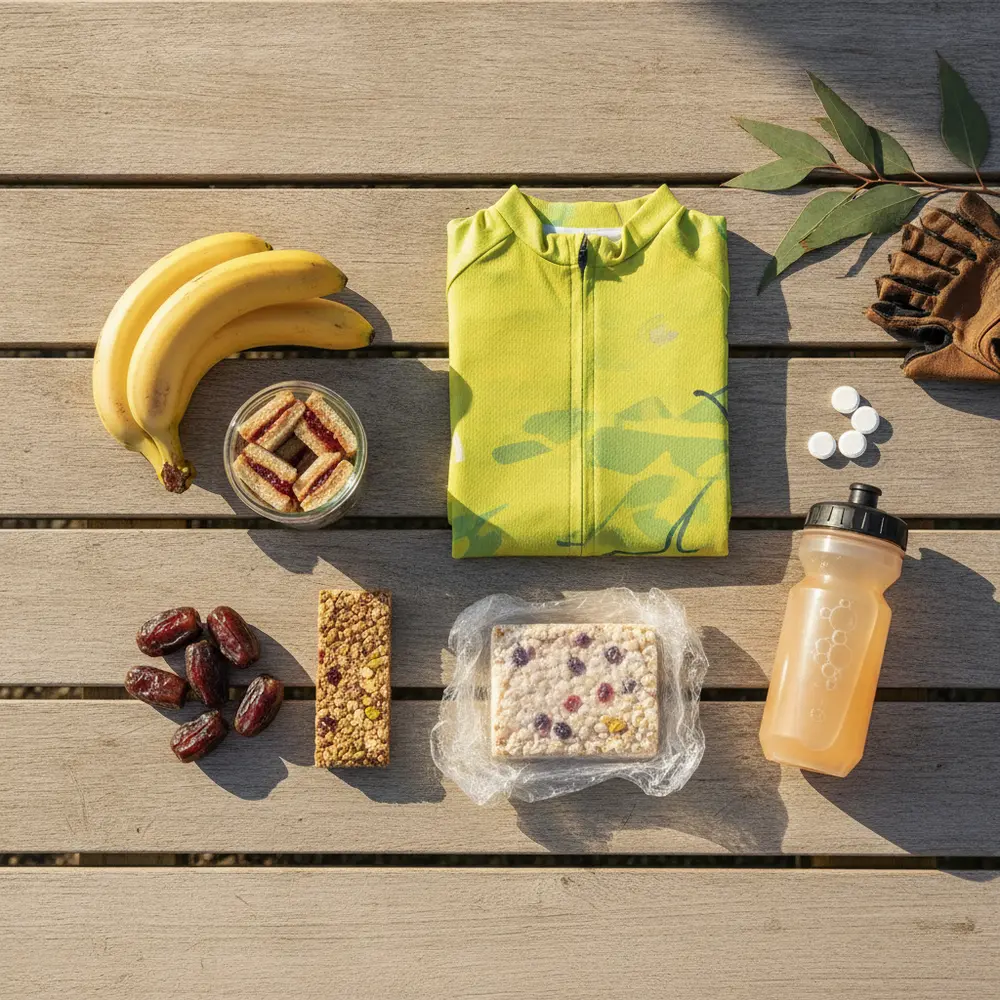
- Bananas and dates for quick on-bike or pre-ride fuel
These are foods that are easy to find, cheap in winter, and genuinely useful. Nothing exotic required.
Protein for Recovery and Muscle Maintenance Through Winter
When training volume drops, some riders unconsciously eat less protein too. That is worth resisting. Protein is what keeps your muscle mass from quietly eroding through a lower-load winter block.
The general guidance for endurance athletes is to aim for around 1.4 to 1.7 grams of protein per kilogram of body weight per day, though your exact needs depend on your training volume, age, and goals. Some sports dietetics guidance suggests nudging toward the higher end of that range during winter to help maintain muscle when intensity is lower. If you want a personalised number, an accredited sports dietitian through Sports Dietitians Australia can work that out with you properly.
Practically, spread your protein across the day rather than loading it into one meal. Greek yoghurt at breakfast, chicken or legumes at lunch, eggs or red meat at dinner. That spread matters more than most people realise for how well your muscles actually recover.
Fats - Why They Matter More in Cold Conditions
Dietary fat often gets treated as the thing to cut when riders want to lose a bit of winter weight. That is rarely the right call for an active cyclist. Fat supports sustained energy on longer low-intensity rides, it helps with hormone function, and it supports the absorption of fat-soluble vitamins including Vitamin D.
You do not need to actively increase fat intake, but you should not be cutting it hard either. Avocado, olive oil, nuts, oily fish like salmon and mackerel, and eggs are all solid sources that also bring useful micronutrients along for the ride.
Micronutrients That Southern State Cyclists Should Watch
Iron, Zinc, and Vitamin C for Immune Defence
Winter is when immune function matters most, and three micronutrients do a lot of the heavy lifting: iron, zinc, and Vitamin C. Getting enough of all three through food is achievable with a bit of awareness.
Iron is worth a specific mention for female cyclists. Sports Dietitians Australia's guidance on iron depletion in athletes notes that endurance athletes, particularly females, are at elevated risk of iron deficiency due to increased red blood cell turnover and, for women, menstrual losses. Symptoms include fatigue, reduced performance, and impaired immune function. All three are things you really do not want compounding through a cold winter block.
Haem iron from red meat and kangaroo is absorbed more readily than plant-based iron. If you are eating plant sources, pair them with something containing Vitamin C to boost absorption. Spinach with a squeeze of lemon, or lentils with tomatoes, is a simple fix.
- Iron: Red meat, kangaroo, chicken liver, lentils, fortified cereals
- Zinc: Red meat, shellfish, pumpkin seeds, legumes
- Vitamin C: Citrus fruit, kiwi fruit, capsicum, broccoli (all in good supply in winter)
Vitamin D Deficiency - A Real Risk in Melbourne, Hobart, and Adelaide
This deserves its own section because it is genuinely underestimated. The Australian Government's Healthdirect Vitamin D deficiency guidance is clear that southern Australian states see winter UV levels that are often too low for adequate skin synthesis, even with outdoor exposure during daylight hours.
The Australian Institute of Sport classifies Vitamin D as a Group A supplement for athletes with confirmed deficiency, meaning supplementation is supported by evidence when a blood test confirms you are low. The key phrase there is confirmed deficiency. Get a blood test before you start taking anything. Talk to your GP. Do not just buy a supplement and hope for the best.
If you are training early in the morning or doing your winter kilometres on the trainer, you are at higher risk. A simple serum 25-hydroxyvitamin D blood test will tell you where you stand. It is worth doing before winter and again at the end of it.
Hydration in Winter - Why You Still Need to Drink
This is one of the most common mistakes cold-weather riders make. Because you are not sweating visibly and you do not feel thirsty, it is easy to convince yourself hydration is not a problem in winter. It is still a problem.
The AIS hydration guidance for athletes is clear that thirst sensation is blunted in cold weather, which increases the risk of under-drinking during winter rides. You are still sweating, you are breathing out moisture in every breath in cold dry air, and your fluid losses are still real. They are just less obvious.
Use urine colour as your basic daily check. Pale straw colour means you are in good shape. Dark yellow means drink more. On the bike, drink to a schedule rather than waiting until you feel thirsty. A good habit is to take a sip every 15 to 20 minutes regardless of whether you feel like it.
On-Bike Fuelling Strategies for Cold Weather Rides
What to Eat Before, During, and After a Winter Ride
Cold weather does affect appetite and what feels appealing on the bike. Gels that are fine in summer can become thick and unpleasant in the cold. Knowing what works for you in winter is worth testing in training, not finding out mid-ride on a cold Saturday morning.
| Timing | What to aim for | Practical options |
|---|---|---|
| 2 hours before | Carbohydrate-rich meal, easy to digest | Oats with banana, toast with peanut butter and honey |
| 30 min before | Small top-up if needed | Banana, a slice of fruit bread, a handful of dates |
| During (60+ min ride) | 30 to 60g carbohydrate per hour | Rice cakes, banana, muesli bars, warm drink in a thermos bottle |
| After | Protein and carbohydrate within 30 to 60 min | Chocolate milk, eggs on toast, yoghurt with fruit and oats |
Warm food and drink options deserve a mention here. A thermos bottle with warm diluted sports drink or even warm water with honey and lemon is far more appealing on a cold July ride than a chilled bottle. It does not replace your nutrition strategy, but it makes you more likely to actually drink.
Practical Meal Ideas and Timing for Busy Winter Training Weeks
Winter training weeks tend to involve earlier finishes and less motivation to cook. Keeping a short list of reliable, nutritious meals that take under 30 minutes to prepare is one of the most practical things you can do to support your nutrition through the season.
- Overnight oats with rolled oats, Greek yoghurt, banana, and nut butter (prep the night before)
- Lentil and vegetable soup with sourdough (batch cook on Sunday for the week)
- Salmon with roast sweet potato and steamed broccoli
- Stir-fry with lean beef or kangaroo, rice, spinach, capsicum, and garlic
- Scrambled eggs with toast and avocado after morning rides
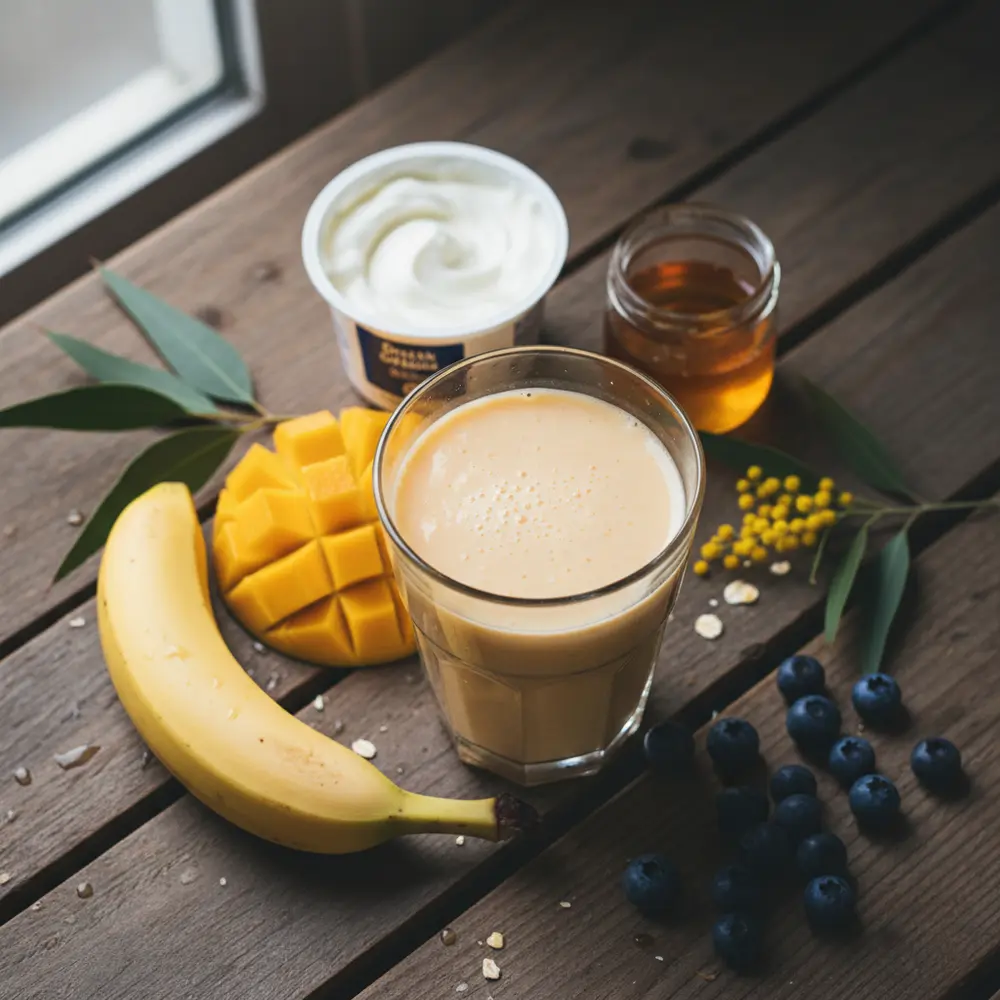
- Smoothie with frozen berries, Greek yoghurt, banana, oats, and milk as a quick recovery option
None of these are complicated. The goal is not perfection. It is consistency across the week. One bad meal does not derail your winter. A week of skipping recovery nutrition after rides and ignoring your Vitamin D status might.
Winter Nutrition Checklist for Southern State Cyclists
Print this out or screenshot it. Stick it somewhere you will actually see it.
- Carbohydrate target: Match intake to your training load. Lower intensity days mean lower carbohydrate needs. Do not eat for rides you are not doing.
- Protein target: Aim for around 1.4 to 1.7g per kilogram of body weight per day, spread across meals.
- Hydration check: Check urine colour daily. Drink to a schedule on the bike, not to thirst.
- Vitamin D: Book a blood test before winter and again at the end of it. Speak to your GP about results.
- Iron check: Particularly important for female cyclists. Get a blood test if you are feeling flat, fatigued, or getting sick frequently.
- On-bike snacks: Test your cold-weather food options in training. Keep a spare banana or rice cake in your back pocket.
- Pre-ride meal timing: Eat a proper meal two hours before longer rides. A small top-up 30 minutes out if needed.
- Micronutrient foods: Citrus and kiwi for Vitamin C, red meat or kangaroo for iron, pumpkin seeds and legumes for zinc.
- Supplement advice: Do not self-prescribe. Use a blood test to confirm what you actually need, then talk to your GP or an accredited sports dietitian.
Common Mistakes to Avoid
- Eating for summer training during a winter base block. Your intensity is lower, your carbohydrate needs are lower. Simple as that.
- Skipping fluids because you do not feel thirsty. Cold weather blunts thirst. Dehydration still happens.
- Assuming you are getting enough Vitamin D from outdoor rides. In Melbourne, Hobart, and Adelaide, the winter UV is often not enough, especially on early morning rides.
- Ignoring iron until you feel terrible. By the time iron deficiency is affecting your riding, you have been low for a while. Test before winter, not after.
- Cutting fat too aggressively to manage winter weight. Fat supports hormone function, energy, and fat-soluble vitamin absorption. Do not cut it too hard.
- Not testing on-bike food options before a long cold ride. Some foods become unpalatable or hard to eat in cold conditions. Find out in training, not on your biggest ride of the block.
If You Are New to Thinking About Cycling Nutrition
- Start with the basics: eat a proper meal two hours before rides, recover with protein and carbohydrate after, and drink regularly on the bike.
- Do not overthink macros until you have the basics dialled in. Consistency with simple habits beats complexity every time.
- Get a blood test for Vitamin D and iron before winter. It is inexpensive and gives you a real baseline to work from.
- Eat Australian winter produce: citrus, leafy greens, root vegetables, and red meat. Simple, local, and nutritious.
- Check in with your training intensity. If you are doing mostly easy rides, you do not need to fuel like a racer.
If You Have Done a Winter Training Block Before
- Review how your nutrition tracked against your training load last winter. Did you overeat on rest weeks? Under-recover after long rides?
- Consider getting a full blood panel before this winter including iron, ferritin, and Vitamin D. If you have never done it, this is the year to start.
- Experiment with warm on-bike food options. Rice cakes, fruit bread, and warm bottles are worth testing on a few training rides before you need them.
- If your immune system took a hit last winter, look at your zinc, Vitamin C, and Vitamin D intake first before adding supplements. Fix the diet before you fix the pill box.
- Talk to an accredited sports dietitian if you want a periodised plan that matches your specific winter program. Personalised advice beats general guidance every time.
Frequently asked questions
Do I actually need more calories in winter because of the cold?
Cold weather does increase energy demands slightly, partly from thermogenesis and the effort of riding in heavier kit. For most intermediate cyclists doing lower-intensity winter base training, this increase is modest and is often offset by lower overall training volume and intensity. Focus on matching your intake to your actual training load rather than blanket increases.
How do I know if I am Vitamin D deficient?
The only reliable way to know is a blood test. A serum 25-hydroxyvitamin D test through your GP will give you a clear number. Do not guess based on how much time you spend outside, particularly in southern states during winter. Book a test and let the result guide the conversation.
What on-bike foods work best in cold weather?
Foods that stay soft and palatable in the cold work best. Bananas, muesli bars, rice cakes, and soft fruit bread all hold up well. Some gels and hard bars become unpleasant or difficult to open in cold conditions. Warm liquid in a thermos bottle is also worth considering for longer rides. Test your options in training before you rely on them.
Should female cyclists be more concerned about iron than male cyclists?
Yes, as a general rule. Endurance athletes are already at higher risk of iron deficiency than the general population due to increased demands and losses. Female cyclists face additional risk from menstrual losses on top of that. Fatigue, reduced performance, and getting sick more often are all signs worth taking seriously. A blood test is the right starting point, not self-prescribing iron supplements.
Is it okay to use supplements for Vitamin D and iron in winter?
Supplementation can be appropriate when a blood test confirms deficiency. The Australian Institute of Sport classifies Vitamin D as a Group A supplement for athletes with confirmed deficiency, which means the evidence supports it in that context. Self-prescribing without testing is not a great idea. Get the test, talk to your GP, and if you want detailed guidance on both diet and supplementation, an accredited sports dietitian through Sports Dietitians Australia can help.
Wrapping Up
Winter nutrition for southern state cyclists comes down to a handful of practical adjustments that are genuinely worth making. Here is the short version:
- Match your carbohydrate intake to your actual winter training load, not your summer habits.
- Keep protein consistent to hold onto muscle through a lower-intensity base block.
- Check your Vitamin D and iron status with a blood test before winter. Southern Australia is not as sunny as you think in June and July.
- Drink on a schedule during cold rides. Thirst is not a reliable guide when the temperature drops.
- Use local seasonal produce where you can: citrus, leafy greens, kangaroo, and root vegetables are all excellent winter options for southern state riders.
If you want to go deeper on your nutrition or are not sure where to start, get in touch and we can point you in the right direction. You might also find our articles on winter training planning and cold weather cycling gear useful if you are getting your whole winter block sorted.
This is educational content, not personalised medical or dietary advice. Always consult a qualified health professional or accredited sports dietitian for advice specific to your individual circumstances.