Getting your nutrition right is one of the highest-leverage things you can do as a cyclist, and doing it on a vegan diet is absolutely achievable. The key word is planning, and that is exactly what this article is about.
By the end of this, you will know which nutrients need your attention, how to fuel before, during, and after a ride, and what a practical week of vegan cycling nutrition actually looks like in an Australian context.
Note for Australian riders:
- Most of the staple foods mentioned here are available at Woolworths, Coles, or ALDI, so no specialist shopping required.
- The growing Australian plant-based food market means vegan ride snacks and recovery products are far more accessible than they were five years ago.
- Australian heat adds an extra layer to your on-bike nutrition strategy. Warm weather affects how well some foods travel and how quickly you deplete fluids and electrolytes.
At a glance:
- A well-planned vegan diet can fully support endurance cycling performance.
- Protein, iron, B12, calcium, zinc, vitamin D, and omega-3s are the nutrients that need deliberate attention.
- Nutrient timing matters just as much on a vegan diet as it does on an omnivorous one.
- Supplementation for B12 is non-negotiable. For others, it depends on your diet and blood results.
Key takeaways:
- Aim for 1.4 to 1.7 g of protein per kg of body weight per day, and spread it across meals.
- Pair iron-rich plant foods with vitamin C at every meal to improve absorption.
- Get a blood test every six to twelve months to check iron, B12, and vitamin D levels.
Can a Vegan Diet Actually Power Your Rides?
Short answer: yes. The longer answer is that it depends heavily on how well you plan it. A vegan diet based on whole foods is naturally carbohydrate-rich, which is actually a structural advantage for endurance cyclists.
Where things can come unstuck is in the micronutrient gaps that build up silently over weeks and months. Fatigue, poor recovery, and flat legs on the bike are sometimes training problems, but they are sometimes nutrition problems, and on a vegan diet there are specific deficiencies that are more likely.
What the Research Says About Plant-Based Performance
The evidence base here is solid. A well-planned vegan diet can meet the energy and macronutrient demands of most athletes, according to research published in the Journal of the International Society of Sports Nutrition. A 2019 review in Nutrients found that plant-based diets may support cardiovascular efficiency in endurance athletes, partly through higher dietary nitrate intake from vegetables like beetroot and leafy greens. Lower blood viscosity is one of the proposed mechanisms, which is relevant for oxygen delivery during hard efforts. The science does not say plant-based is automatically superior or inferior. It says it is workable, with some caveats.
Key Nutrients Every Vegan Cyclist Needs to Get Right
This is the section to read carefully. These are the nutrients where vegan cyclists are most likely to fall short, and where falling short will cost you on the bike.
Protein: How Much and Where to Get It
The Australian recommended dietary intake for protein for sedentary adults sits well below what endurance athletes need. Cyclists are generally advised to target 1.2 to 1.6 g per kg of body weight per day, and vegan cyclists should aim toward the higher end of that range. The reason is digestibility. Plant proteins generally have a lower digestibility score than animal proteins, which means you need a bit more total protein to get the same usable amount. Aim for 1.4 to 1.7 g per kg if you are training regularly.
Good plant-based protein sources available in Australian supermarkets include:
- Tofu and tempeh (both widely available, versatile, and cheap at ALDI and Coles)
- Legumes: lentils, chickpeas, black beans, kidney beans
- Edamame
- Soy milk and soy-based yoghurt
- Nutritional yeast
- Hemp seeds and pumpkin seeds
Soy protein is considered a complete protein, meaning it contains all essential amino acids. For other plant proteins, eating a variety across the day covers your amino acid bases without needing to stress about combining foods at every single meal.
Iron, B12, Calcium, Zinc and Vitamin D: the Big Five
These five nutrients are where vegan cyclists are most at risk of running low. Each has a direct impact on energy, recovery, and performance. The table below gives you a quick reference on what each does, where to get it, and what to watch for.
| Nutrient | Why it matters for cycling | Best vegan sources | Watch out for |
|---|---|---|---|
| Iron | Oxygen transport. Low iron means flat legs and chronic fatigue. | Lentils, spinach, tofu, pumpkin seeds, fortified cereals | Non-haem iron is poorly absorbed. Pair with vitamin C. Avoid tea or coffee with meals. |
| Vitamin B12 | Nerve function, red blood cell production. Deficiency causes fatigue and anaemia. | Fortified plant milks, nutritional yeast, B12 supplement | No reliable plant food source. Supplement is essential. |
| Calcium | Bone health and muscle contraction. | Fortified plant milks, tofu, kale, bok choy, almonds | Absorption is reduced by high oxalate foods like spinach. Variety helps. |
| Zinc | Immune function and muscle repair. | Legumes, nuts, seeds, wholegrains | Phytates in grains reduce absorption. Soaking or sprouting helps. |
| Vitamin D | Bone health, immune function, muscle function. | Fortified foods, sun exposure, supplement if needed | Deficiency is common in Australia despite the sunshine. Get it tested. |
According to the Australian Institute of Sport iron guidelines, non-haem iron from plant foods is absorbed at roughly 2 to 20 percent, compared to 15 to 35 percent for haem iron from meat. Vegan endurance athletes are advised to target around 1.8 times the standard iron RDI to compensate. Regular blood testing is the only reliable way to know where you actually sit.
For B12, the Australian Department of Health confirms that plant foods do not provide a reliable source. The adult RDI is 2.4 mcg per day. Supplementation is not optional for vegan cyclists. The tricky thing is that deficiency can take years to show up because of body stores, so do not wait for symptoms to appear.
Omega-3s Without the Fish
Omega-3 fatty acids support cardiovascular health and help manage exercise-related inflammation. The plant-based precursor is ALA, found in flaxseeds, chia seeds, and walnuts. The problem is that conversion from ALA to the active forms, DHA and EPA, is inefficient in the human body. Algae-based DHA and EPA supplements are a practical and well-supported solution. They are the original source that fish get their omega-3s from, so you are cutting out the middle fish entirely. Look for algae oil supplements at health food stores or online Australian retailers.
Fuelling Before, During and After a Ride
Nutrient timing matters on a vegan diet just as much as it does on any other. This is one area where general vegan nutrition advice does not always translate well to sport. Getting the timing right is a separate skill to just eating a good overall diet.
Pre-Ride Meals and Snacks That Work on Plants
Your pre-ride meal should be carbohydrate-focused, moderate in protein, and low in fat and fibre to avoid gut issues on the bike. Aim to eat a proper meal two to three hours before a ride, or a lighter snack 30 to 60 minutes out if you are short on time.
Good vegan pre-ride options include:
- Oats with banana and a scoop of plant-based protein powder, eaten two to three hours out
- Wholegrain toast with peanut butter and sliced banana, one to two hours out
- A ripe banana or medjool dates, 30 minutes before
- Rice cakes with almond butter and a drizzle of maple syrup for longer efforts
On-the-Bike Nutrition: Vegan Ride Foods That Hold Up in an Aussie Summer
Heat is a real factor here. Chocolate-based bars melt. Nut butter wraps can get soggy. You need foods that are calorie-dense, easy to eat while riding, and stable in warm temperatures. According to AIS carbohydrate guidelines, on-bike carbohydrate targets are around 30 to 60 g per hour for rides under 2.5 hours, rising to up to 90 g per hour for longer efforts.
Practical vegan on-bike foods for Australian conditions:
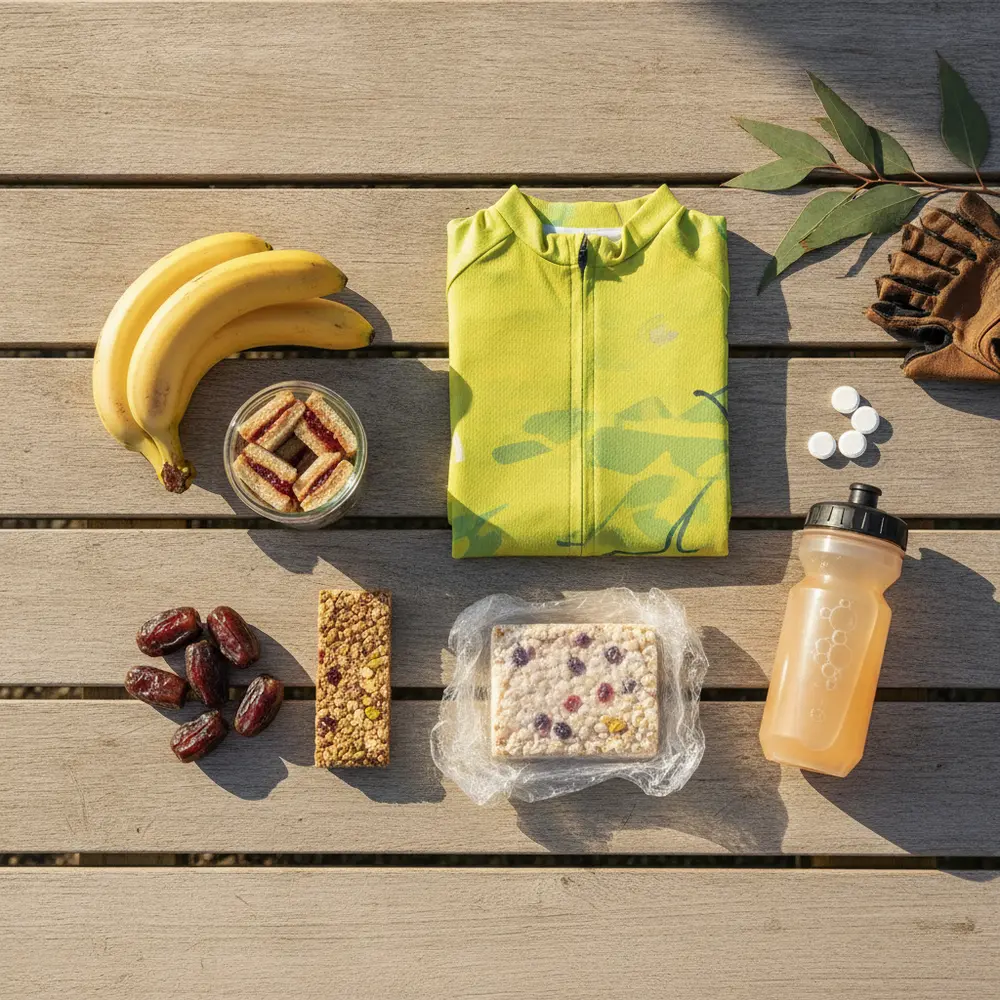
- Medjool dates: high in natural sugars, heat-stable, easy to eat one-handed
- Banana: tried and tested, widely available at convenience stops
- Homemade rice balls with soy sauce and sesame seeds
- Dried mango or apricots
- Most commercial sports gels and electrolyte products are vegan, but check labels to confirm
Recovery Nutrition: Hitting Your Protein and Carb Window
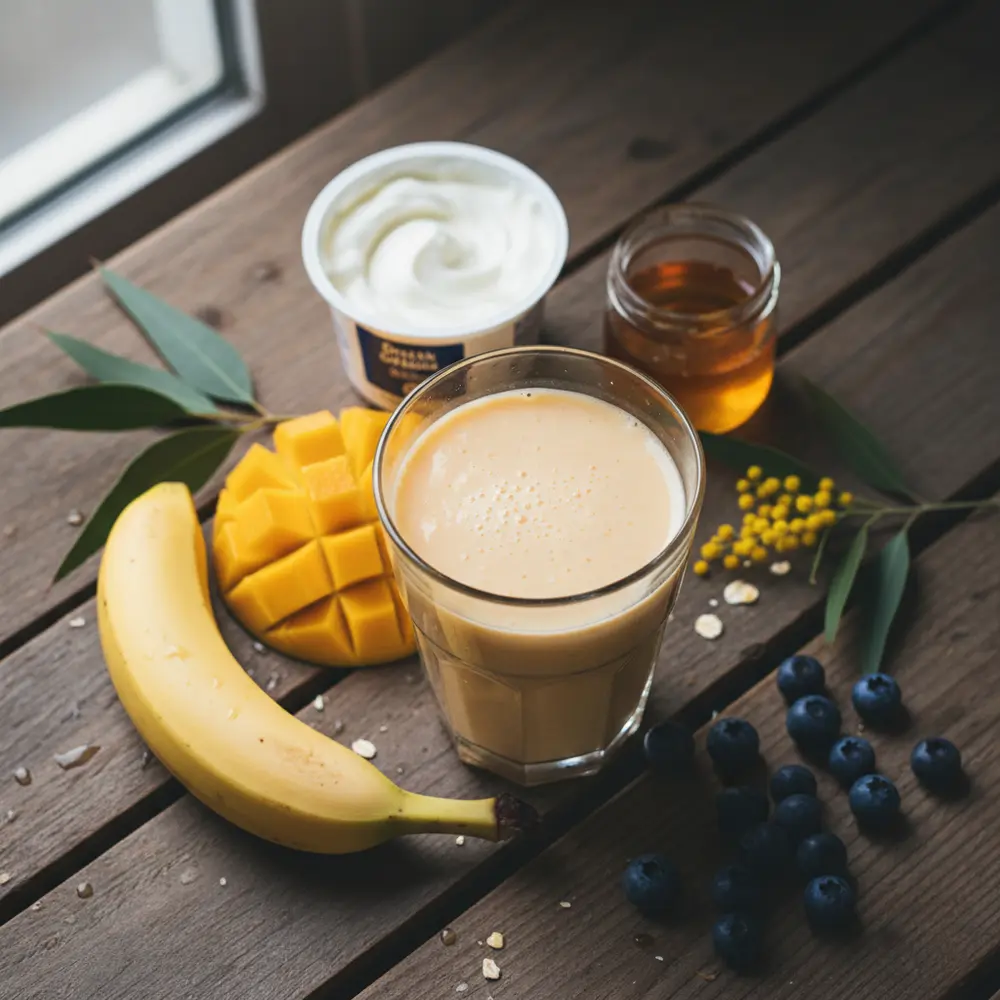
The 30 to 60 minute post-ride window is when your body is most receptive to glycogen replenishment and muscle repair. You want a combination of carbohydrate and protein in a rough 3:1 to 4:1 ratio. For a vegan cyclist, a good recovery option is a smoothie made with soy milk, banana, frozen berries, and a scoop of plant-based protein powder. A bowl of rice with edamame and tofu also works well if you prefer something more substantial.
Check out our cycling nutrition articles for more on fuelling strategies around training rides.
Practical Vegan Meal Planning for Australian Cyclists
The good news is that the staples of a vegan cycling diet are cheap and available everywhere. You do not need a specialty health food store for any of this.
Budget-Friendly Plant-Based Staples Available in Australian Supermarkets
Here is a straightforward weekly staples list you can build from:
- Oats, brown rice, wholegrain bread, pasta, and wraps for carbohydrate base
- Canned lentils, chickpeas, black beans, and kidney beans for protein and iron
- Frozen edamame and tofu from the fridge section at most major supermarkets
- Frozen spinach and mixed vegetables for iron and micronutrients
- Fortified soy or oat milk for calcium and sometimes B12
- Nutritional yeast for B12 (if fortified) and a cheesy flavour boost
- Flaxseeds and chia seeds for ALA omega-3s
- Bananas, dates, and dried fruit for on-bike and pre-ride fuelling
For more detail on building a strong nutrition base around your training, the ride nutrition section on Segment Club is a good place to start.
Supplements Worth Considering and Ones to Skip
Not every supplement in the sports nutrition aisle is worth your money. Here is a straightforward summary for vegan cyclists.
Worth taking:
- Vitamin B12: non-negotiable for all vegan athletes, no exceptions
- Algae-based DHA and EPA: especially useful if your dietary ALA sources are inconsistent
- Vitamin D: worth testing first, but supplementation is commonly needed even in Australia
- Creatine: research suggests vegan athletes have lower baseline creatine stores, and supplementation may offer a modest performance benefit. This applies more to power-based efforts than pure endurance, but it is worth considering for riders who do intervals or criteriums
Skip or approach with caution:
- Iron supplements without a blood test confirming deficiency. Too much iron is harmful.
- Expensive branded "plant-based" protein powders when a basic soy or pea protein does the same job at a fraction of the price
- Any supplement making performance claims that sound too good to be true
If you want personalised guidance, an Accredited Sports Dietitian through Sports Dietitians Australia is the right call. They can review your blood results, training load, and diet and give you a plan that actually fits your situation.
Common Mistakes Vegan Cyclists Make and How to Fix Them
These come up again and again. They are easy to avoid once you know what to look for.
- Not eating enough total calories. Whole foods are bulky and filling. It is easy to under-eat on a vegan diet, especially during heavy training blocks. If your power is dropping and you are always tired, check total intake first.
- Skipping B12 supplementation. The body stores B12 for a while, so deficiency creeps up on you. By the time you feel it, you have been low for months. Supplement from day one.
- Ignoring iron timing. Drinking tea or coffee with an iron-rich meal significantly reduces absorption. Pair your iron sources with vitamin C instead, think lentil soup with capsicum, or spinach salad with orange segments.
- Not getting blood tests. Guessing is not a strategy. Iron, B12, and vitamin D can all look fine until they are not. Get tested every six to twelve months.
- Relying on processed vegan foods for ride fuel. Vegan sausage rolls and plant-based burgers are fine on rest days but are not suitable ride fuel. Stick to simple, carbohydrate-focused foods around training.
- Underestimating protein needs. A banana smoothie and a salad does not cut it on a hard training day. Plan your protein across every meal.
If You Are New to Vegan Cycling Nutrition
- Start by nailing the basics: oats for breakfast, legumes at lunch and dinner, and a piece of fruit before rides.
- Buy a B12 supplement this week. Do not wait.
- Get a blood test before you change your diet so you have a baseline to compare against.
- Download a free food tracking app for the first few weeks to check you are hitting your protein targets.
- Keep a bag of medjool dates in your jersey pocket on every ride until you sort out your on-bike fuelling routine.
If You Have Fuelled Rides on a Vegan Diet Before
- Review your protein timing, not just your total. Are you getting protein in your recovery window consistently?
- Consider algae-based omega-3s if you have not already. The ALA to DHA conversion is inefficient and most plant-based cyclists are under-dosing on DHA and EPA.
- Look at your iron timing habits. If you drink coffee in the morning with your iron-rich breakfast, you are reducing absorption every single day.
- Check whether your fortified plant milk actually has B12. Not all brands include it. Read the label.
- If you do criteriums or high-intensity intervals, look into creatine supplementation. The evidence for vegan athletes is reasonable and it is cheap.
Vegan Cyclist Nutrition Checklist
Save this to your phone or pin it to the fridge.
Every day:
- Protein across three to four meals, targeting 1.4 to 1.7 g per kg of body weight
- Iron-rich food at two meals, paired with a vitamin C source each time
- Fortified plant milk or B12-containing food, plus your B12 supplement
- A handful of flaxseeds or chia seeds for ALA omega-3s
- Vitamin D supplement if your levels are not in range
Ride day:
- Pre-ride meal two to three hours out, carbohydrate-focused with some protein
- Light snack 30 minutes before if needed (banana, dates)
- 30 to 60 g of carbohydrate per hour on the bike, up to 90 g for rides over 2.5 hours
- Recovery meal or smoothie within 30 to 60 minutes of finishing
- Extra fluid and electrolytes in hot weather. Hydration needs increase significantly above 30 degrees.
Weekly:
- Rotate your protein sources to cover your amino acid bases
- Check your supplement stock (B12, vitamin D, algae omega-3)
- Plan your ride day meals in advance so you are not scrambling on the morning
For more practical nutrition guidance tailored to Australian riders, visit the Segment Club nutrition hub.
Frequently asked questions
Can I build enough muscle and recover properly as a vegan cyclist?
Yes, with enough total protein spread across the day. Soy protein is a complete protein source and works well for muscle repair. Aim for 1.4 to 1.7 g per kg of body weight daily and make sure you eat within the recovery window after hard sessions.
Do I need to take a B12 supplement if I eat fortified foods?
Fortified foods help, but most nutrition experts and the Australian Department of Health recommend a direct B12 supplement for anyone following a fully vegan diet. Relying on fortified foods alone makes it hard to consistently hit your daily target. A supplement removes the guesswork.
How do I know if I am iron-deficient?
The only reliable way is a blood test. Common symptoms include fatigue, poor performance on the bike, and getting sick frequently, but these overlap with overtraining and other issues. Ask your GP for a full iron panel including ferritin, not just haemoglobin. The AIS recommends regular testing for vegan endurance athletes.
Are commercial sports gels and bars vegan?
Many are, but not all. Ingredients like beeswax, casein, whey, and gelatine appear in some products. Check the label or the brand website. Most plain carbohydrate gels (maltodextrin and fructose-based) are vegan by default, but it is worth confirming with each product.
Is a vegan diet suitable for Australian cyclists riding in hot conditions?
Yes, with a few adjustments. In hot weather, you will sweat more and deplete electrolytes faster regardless of your diet. Vegan-friendly electrolyte products are widely available. The bigger issue in heat is calorie density. When it is hot, you may not feel like eating, but you still need carbohydrate on longer rides. Liquid calories from drinks or gels can help fill the gap.
Wrapping up
Here is the short version of everything above:
- A vegan diet can fully support cycling performance when it is well planned and your key nutrients are monitored.
- Protein, iron, B12, calcium, zinc, vitamin D, and omega-3s need active attention, not passive hope.
- Nutrient timing is just as important as overall diet quality, especially around training and racing.
- Get blood tests regularly, supplement B12 without exception, and build your diet around whole food staples available at any Australian supermarket.
- If you want tailored advice, connect with an Accredited Sports Dietitian. It is one of the better investments you can make in your riding.
If you have questions about your nutrition approach or want to connect with other Australian cyclists doing the same thing, get in touch with the Segment Club team. We are always happy to point you in the right direction.
This is educational content, not medical or dietary advice.