What you put into your body in the hour after a hard ride has a direct impact on how well you perform next time you clip in. Getting post-ride nutrition right is one of the simplest and most underrated performance levers available to any cyclist, and you do not need a pantry full of expensive supplements to do it properly.
This article gives you four practical shake recipes built around ingredients you can grab at Woolies, Coles, or your local market. By the end, you will know what to put in your blender, how much protein you actually need, and when to drink it.
Note for Australia:
- Bananas are available year-round across Australia and are one of the best value shake base ingredients you can use.
- Mangoes peak from December to February, but frozen mango is a practical year-round alternative.
- Berries are in season through spring and summer, but frozen varieties work just as well in a blender and cost less off-season.
At a glance:
- Post-ride protein target: 20 to 25g of quality protein within one to two hours of finishing your ride.
- Pair protein with carbohydrates every time. Carbs drive glycogen replenishment and help protein do its job.
- Whole food shakes using Greek yoghurt, milk, and banana are as effective as commercial supplements for most intermediate cyclists.
- If you compete, look for HASTA-certified protein powders to avoid contamination risks from untested supplements.
Key takeaways:
- You do not need a protein powder to recover well. Whole foods work for most riders.
- The recovery window is broader than most marketing suggests. Within one to two hours is the practical target.
- Simple, consistent recovery nutrition beats expensive and complicated every time.
Why Post-Ride Protein Actually Matters
Every ride puts your muscles under mechanical stress. Muscle fibres break down during the effort, and protein provides the raw material your body uses to repair and rebuild them. Skip the protein and recovery slows, fatigue carries over into the next session, and over time you stop adapting as efficiently as you should.
This is not about bodybuilding. Endurance athletes genuinely need adequate protein to sustain the training load that makes them faster and more resilient on the bike. The Sports Dietitians Australia recovery nutrition guidelines are clear on this: protein intake in the post-exercise period supports muscle protein synthesis, which is the process that drives adaptation and repair.
The Recovery Window - How Long Do You Really Have?
You have probably heard the phrase "anabolic window" thrown around. The idea that you have exactly 30 minutes to smash a shake or the whole ride was wasted is largely overstated. The evidence-based position, backed by evidence-based post-ride protein recommendations from Sports Dietitians Australia, is that the practical target is within one to two hours post-exercise for most recreational and intermediate cyclists.
That said, if you are doing back-to-back sessions or racing multiple days in a row, getting protein and carbohydrates in sooner matters more. For the average club rider doing three to five sessions a week, aiming to eat or drink something solid within an hour is a reasonable and achievable goal.
How Much Protein Do Cyclists Actually Need After a Ride?
The Australian Institute of Sport recommends a target of 20 to 40g of protein per serving post-exercise, depending on your body size and training load. For most intermediate cyclists, 20 to 25g per sitting is a practical target that covers the bases without overcomplicating things.
Body weight matters here. Research published in the International Journal of Sport Nutrition and Exercise Metabolism suggests per-meal protein doses of around 0.25 to 0.40g per kilogram of body weight to maximise muscle protein synthesis. A 75kg rider should be aiming for roughly 19 to 30g per post-ride meal or shake. Daily totals for endurance athletes are in the range of 1.4 to 1.7g per kilogram of body weight, spread across the day.
The Basics of a Good Post-Ride Shake
A good post-ride shake is not just protein. It needs three things working together: protein for muscle repair, carbohydrates to restock glycogen, and fluid to start the rehydration process. Get all three in the one shake and you are covering most of your recovery bases in a single glass.
Getting the Carb-to-Protein Ratio Right
The classic recommendation for endurance recovery is a carbohydrate-to-protein ratio of around 3:1 or 4:1. So if your shake delivers 25g of protein, you are aiming for 75 to 100g of carbohydrate in that same drink or meal. In practice, this means adding a banana, some oats, honey, or a piece of fruit to your shake. Do not skip the carbs just because you are focused on protein.
The AIS recovery nutrition recommendations suggest 1 to 1.2g of carbohydrate per kilogram of body weight in the first hour post-exercise for rapid glycogen recovery. That number matters most after long or hard rides where you have truly emptied the tank.
| Shake Component | What It Does | Practical Example |
|---|---|---|
| Protein source | Drives muscle repair and adaptation | Greek yoghurt, milk, whey powder |
| Carbohydrate source | Restocks glycogen, aids protein uptake | Banana, oats, honey, mango |
| Fluid base | Starts rehydration process | Milk, macadamia milk, water |
| Optional additions | Micronutrients, flavour, variety | Wattleseed powder, berries, nut butter |
Aussie Ingredients Worth Adding to Your Blender
You do not need to shop at a specialty health store to build an effective recovery shake. Most of what you need is on the shelf at any major Australian supermarket. A few local additions are worth knowing about too.
Dairy Options - Greek Yoghurt, Milk and Quark
Greek yoghurt is one of the best whole food protein sources available for a post-ride shake. A standard 170g serving delivers around 15 to 17g of protein depending on the brand, and it adds a creamy texture without needing any powder. Full-fat milk contributes another 8g of protein per 250ml and adds both carbohydrate and fluid in one hit.
Quark is less common but worth mentioning. It is a fresh cheese product increasingly available in Australian supermarkets, with a protein content similar to Greek yoghurt. If you see it, try it. It blends smoothly and has a mild flavour that works in most shake combinations.
Native and Local Additions - Wattleseed, Macadamia and Honey
Wattleseed is genuinely interesting from an Australian cycling perspective. According to wattleseed nutritional profile data, it contains approximately 26% protein by dry weight, has a low glycaemic index, and a roasted, nutty, coffee-like flavour that pairs well with banana or chocolate-based shakes. It is available ground or roasted from health food stores and some Coles and Woolworths locations.
Macadamia milk is a genuinely Australian product. The protein content per serve is low compared to dairy, so do not rely on it as your protein source. Use it as a fluid base for dairy-free riders and get your protein from another ingredient. Honey, including Australian-produced Manuka varieties, adds fast-release carbohydrates and works well as a natural sweetener. For recovery purposes, regular honey and Manuka honey perform similarly as a carbohydrate source. The premium price of Manuka is not justified on recovery grounds alone.
Fruit and Produce That Works in Australia Year Round
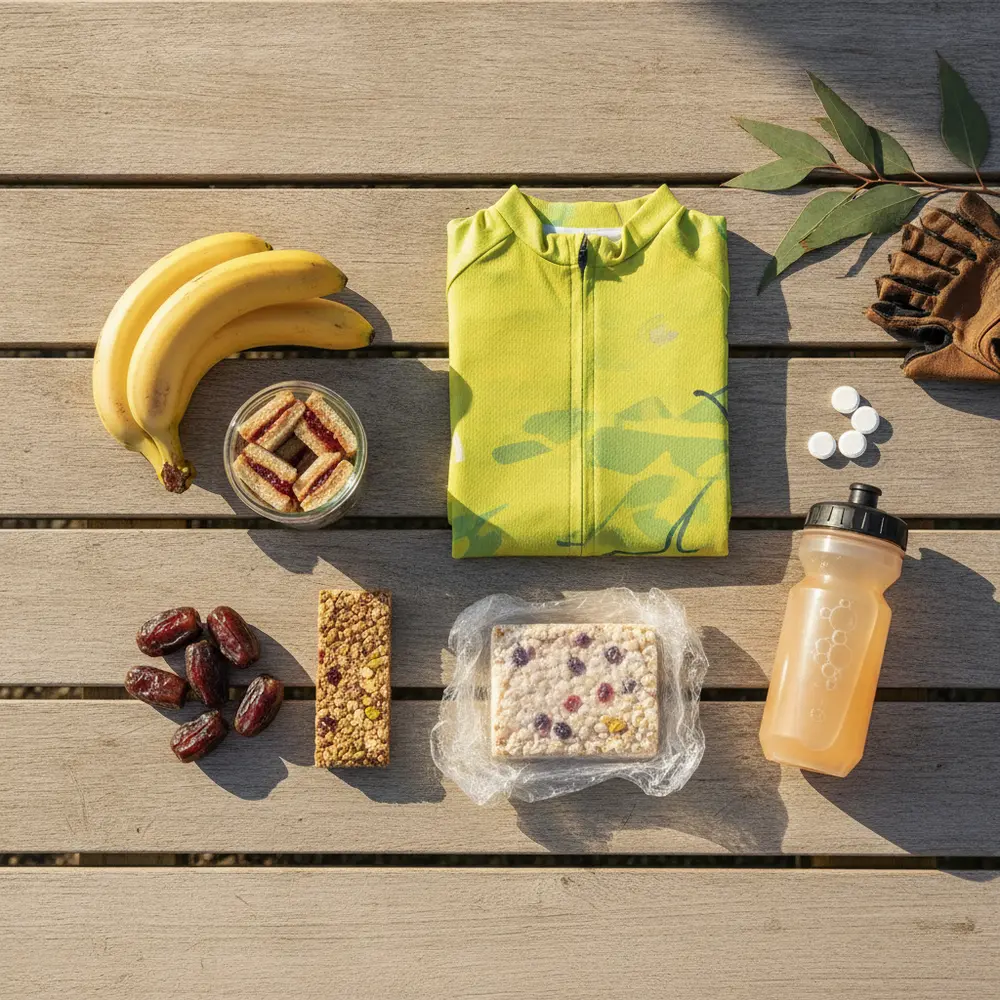
Bananas are your most reliable year-round shake base. They add carbohydrates, potassium, and natural sweetness, and they cost almost nothing. Frozen banana is even better for a thick, cold shake texture. Mangoes are best in summer, typically December to February, but frozen mango is available all year and works just as well. Berries, including blueberries and strawberries, are cheapest in season through spring and summer, but frozen options are a practical and affordable year-round alternative. Check the Segment Club nutrition hub for more ideas on fuelling around the Australian riding calendar.
Post-Ride Protein Shake Recipes Using Aussie Ingredients
All four of these recipes are designed to be quick. You are tired, you are sweaty, you want to eat and sit down. These take under three minutes to throw together.
The Classic Banana and Peanut Butter Recovery Shake
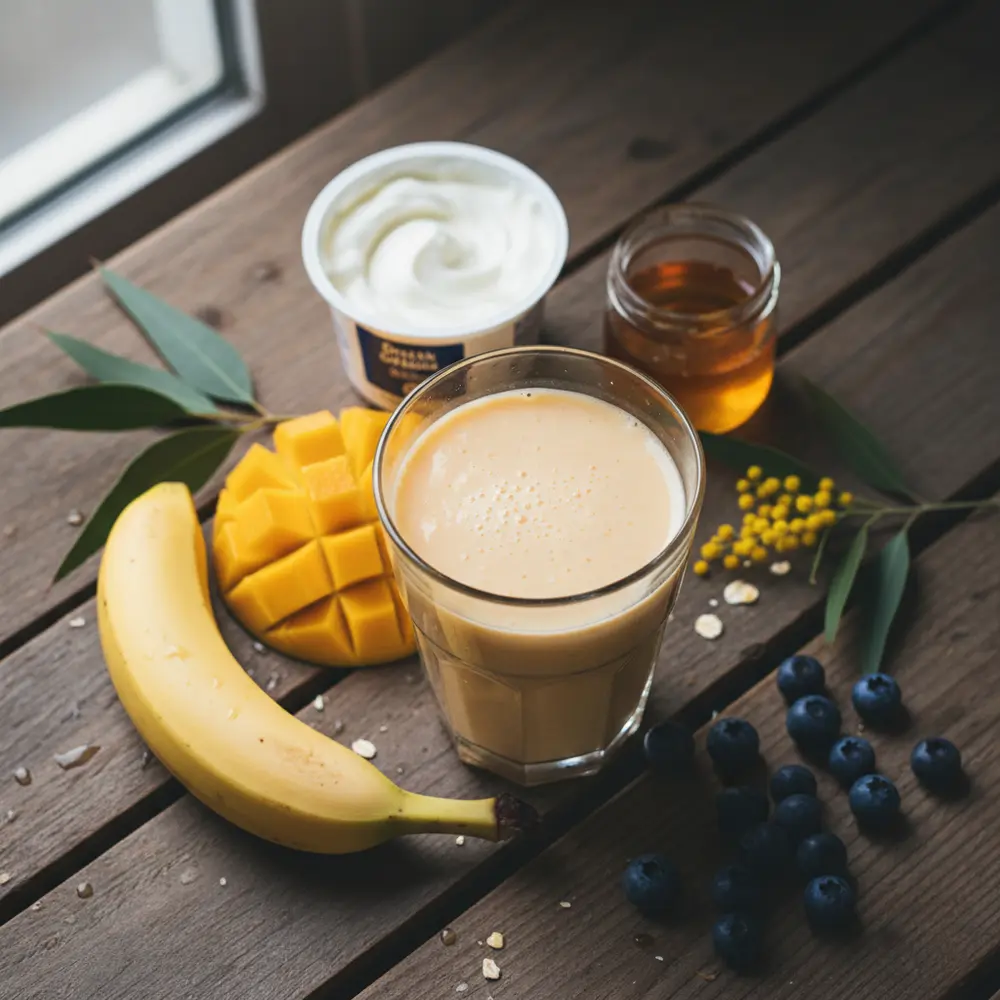
This is the one most riders end up coming back to because it works and costs very little. Blend one large banana, 170g of Greek yoghurt, one tablespoon of natural peanut butter, 250ml of full-cream milk, and a drizzle of honey. You will get roughly 25 to 30g of protein and a solid carbohydrate hit in one glass.
Mango and Greek Yoghurt Tropical Shake
Best in Australian summer but viable year-round with frozen mango. Blend 150g of frozen or fresh mango, 200g of Greek yoghurt, 200ml of milk, and a squeeze of lime juice. This one is lighter on the palate after a hot summer ride and still hits the protein target. Add a tablespoon of oats for extra carbohydrates if you have done a ride over two hours.
Wattleseed and Oat Recovery Shake
This is a more Australian take on the classic oat shake. Blend one banana, one tablespoon of ground wattleseed powder, three tablespoons of rolled oats, 200g of Greek yoghurt, 250ml of milk, and a small drizzle of honey. The wattleseed adds a subtle roasted flavour and contributes to the overall protein load. Find ground wattleseed at health food stores or online from Australian native food suppliers.
Plant-Based Option - Macadamia Milk and Berry Shake
For dairy-free or vegan riders, this is a practical and genuinely tasty option, not an afterthought. Blend 300ml of macadamia milk, a large handful of frozen mixed berries, one large frozen banana, two tablespoons of pea protein powder or rice protein powder, and one tablespoon of almond butter. This combination gets you to the 20g protein mark. Plant-based protein combinations, particularly pea and rice blended together, are well-supported by current evidence as effective for muscle protein synthesis in endurance athletes.
Protein Powder - Do You Actually Need It?
Honest answer: for most intermediate cyclists who are eating reasonable whole food meals, no. Sports Dietitians Australia protein powder advice is consistent on this point: if you are meeting your daily protein needs through food, adding a powder is largely redundant. Powders become useful when you genuinely cannot hit your target through whole foods, you are on the go after a ride and cannot prepare a meal, or your training load is high enough that food volume becomes a practical challenge.
Australian Protein Powder Brands Worth Considering
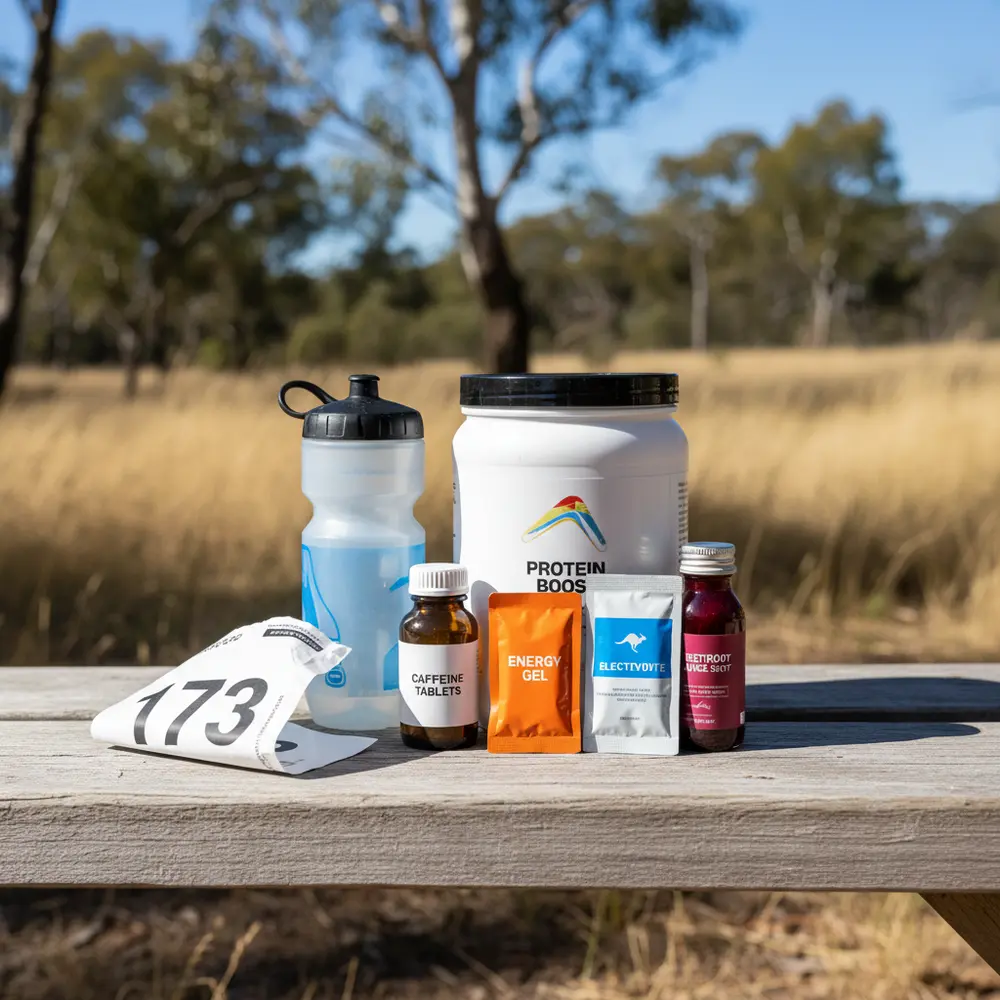
If you do want a powder, pick one that suits your diet and budget. Whey protein concentrate is the most affordable and well-researched option, with a complete amino acid profile and fast absorption. Whey isolate suits riders who are lactose-sensitive. For plant-based options, look for blended pea and rice protein products, which together cover the full amino acid spectrum more effectively than either on their own.
For competitive cyclists, this part is important. Supplement contamination is a real risk, and testing positive for a banned substance because of an untested powder is not a situation you want to be in. Look for products with HASTA certification for Australian athletes, which tests against the WADA prohibited list. HASTA maintains a searchable database of certified products on their website. Informed Sport certification is the international equivalent and is equally valid.
Common Mistakes Cyclists Make With Recovery Nutrition
Most recovery nutrition errors are simple and easy to fix once you know what to look for.
- Skipping carbohydrates. Eating protein alone post-ride without carbohydrates slows glycogen replenishment. Always pair them.
- Waiting too long. Getting distracted by the cool-down, the kit wash, and the phone means you forget to eat. Get into the habit of drinking something within the first hour, even if a full meal follows later.
- Overcomplicating it. You do not need seven ingredients and three supplements. A banana, some yoghurt, and a glass of milk gets the job done.
- Assuming you need a powder. Most intermediate riders do not. Whole foods are effective and cheaper.
- Ignoring fluid. Rehydration is part of recovery nutrition. Do not forget to drink water alongside your shake.
- Using untested supplements in competition. If you race, check for HASTA or Informed Sport certification on any powder you buy.
Quick Reference - What to Grab When You Have No Time to Blend
Sometimes you get home from a ride and the blender feels like one step too many. Here are whole food options you can reach for without the faff.
- Chocolate milk. Research published in the Journal of Strength and Conditioning Research supports chocolate milk as a cost-effective recovery drink with a favourable carbohydrate-to-protein ratio of around 4:1. It is in every supermarket in Australia and it genuinely works.
- Greek yoghurt with banana and honey. No blender needed. Eat it straight from the tub.
- Cottage cheese on toast with sliced banana. Quick, cheap, and hits the carb-protein combination.
- A glass of milk and a piece of fruit. The most basic option, and still a useful recovery start while you cook a proper meal.
If you are unsure how to structure your full nutrition plan around training, check out the Segment Club nutrition articles for more practical guidance built for Australian riders.
If You Are New to Post-Ride Nutrition
- Start with the banana and peanut butter shake. It is the easiest and most forgiving recipe.
- Do not stress about hitting exact numbers on your first attempt. Getting something in within an hour is more important than perfection.
- Buy a bag of frozen banana and frozen mango. It means you always have shake ingredients ready, even if you did not plan ahead.
- Pair every shake with a glass of water. You are always more dehydrated than you think after a ride.
- Read up on training nutrition basics on Segment Club if you want to understand how fuelling during a ride connects to what you do after.
If You Have Been Doing This for a While
- Experiment with wattleseed powder to add a local ingredient with genuine nutritional value and an interesting flavour profile.
- Track your daily protein across the whole day using a food diary for a week. Most cyclists find they are closer to their targets than they expected, which means you probably do not need a powder.
- Consider timing your shake around your training load. After a two-hour-plus ride or a hard interval session, prioritise getting your shake in sooner rather than later.
- If you compete, audit every supplement you currently use and cross-check against the HASTA certified product database before your next event.
- Try swapping full-cream milk for quark as a protein base for a thicker, higher-protein shake without changing the calorie load significantly.
Post-Ride Recovery Shake Checklist
Screenshot this or stick it on the fridge.
- Timing: Within one to two hours of finishing your ride. Sooner if you have another session the next day.
- Protein: Aim for 20 to 25g from a whole food source. Greek yoghurt, milk, peanut butter, or protein powder if needed.
- Carbohydrates: Include a fruit source or oats. Do not skip them. Target a 3:1 to 4:1 carb-to-protein ratio.
- Fluid: Drink your shake plus at least 500ml of water. More if it was hot or a long ride.
- Dairy-free swap: Use macadamia milk or oat milk as your base, pea-rice protein blend for protein, and almond butter for healthy fats.
- Competing? Only use powders with HASTA or Informed Sport certification.
Frequently asked questions
Do I need a protein shake after every ride?
No. Shakes are most useful after rides over 90 minutes or high-intensity sessions. After a short easy spin, a regular meal within a reasonable time frame is perfectly adequate. The shake is a tool for convenience and timing, not a mandatory ritual after every ride.
Can I use chocolate milk instead of making a shake?
Yes, and it is a genuinely solid option. Research supports chocolate milk as a cost-effective recovery drink with a good carbohydrate-to-protein ratio. It is not fancy, but it works. Grab a 600ml carton from the servo or supermarket and you are covered.
Is Greek yoghurt as good as protein powder for recovery?
For most intermediate cyclists, yes. Greek yoghurt contains around 15 to 17g of high-quality protein per serve, covers similar ground to a scoop of whey, and comes with the added benefit of calcium and natural carbohydrates. Sports Dietitians Australia confirms whole food sources are as effective as supplements for most recreational athletes. Save the powder for when convenience is genuinely the issue.
What is the best protein shake for plant-based cyclists?
A blended pea and rice protein powder is your best base. Together they provide a more complete amino acid profile than either alone. Combine with macadamia milk or oat milk, frozen banana, mixed berries, and some almond butter. You will hit the 20g protein target without any dairy. Check that any plant-based powder you buy carries HASTA or Informed Sport certification if you compete.
How important is the timing of my post-ride shake?
More important after hard or long sessions, less critical after easy recovery rides. The practical window is within one to two hours for most intermediate cyclists. The old idea of a strict 30-minute window is an oversimplification. Consistent daily protein intake spread across meals matters as much as post-ride timing for most riders.
Wrapping Up
Post-ride nutrition does not need to be expensive or complicated. Here is what to take away from this article.
- Aim for 20 to 25g of protein paired with carbohydrates within one to two hours of finishing a hard or long ride.
- Greek yoghurt, milk, banana, and peanut butter are among the best value and most effective recovery ingredients available in Australia.
- Wattleseed is a genuinely interesting local addition worth trying. It contributes protein and has a flavour profile that works well in shakes.
- Most intermediate cyclists do not need protein powder. Whole foods are effective, affordable, and carry no contamination risk.
- If you race, only use HASTA or Informed Sport certified supplements. Check the database before you buy.
Have a question about dialling in your cycling nutrition or want to know more about what works for Australian conditions? Get in touch with the Segment Club team and we will point you in the right direction.
This is educational content, not financial advice.