Most commuter cyclists spend more time thinking about their route than what they eat before they leave the house. That is a mistake, because what you eat and drink has a direct impact on how you feel when you arrive, how you recover, and whether you can do it again tomorrow.
This guide will give you a simple, repeatable nutrition routine for your daily commute. By the end, you will know what to eat before you roll out, what to carry in your pocket or bag, how to stay hydrated in the Australian heat, and what to eat when you get to work or get home.
Note for Australia:
- Australian summer conditions in cities like Sydney, Brisbane, Melbourne, and Perth can push temperatures well past 30 degrees. Your hydration needs in these conditions are significantly higher than in cooler climates.
- Most everyday supermarket foods work perfectly well for commuter distances. You do not need to spend money on specialty cycling nutrition products.
- For personalised advice, especially if you have health conditions or specific performance goals, it is worth consulting an Accredited Sports Dietitian through Sports Dietitians Australia.
At a glance:
- Short commutes under 15 km usually need no on-bike food, just a decent meal beforehand.
- Rides from 15 to 30 km benefit from a pre-ride meal and one light snack or extra water on hotter days.
- Commutes over 30 km need proper pre-ride fuelling, on-bike snacks, and a recovery meal within an hour of finishing.
- Water is your most important tool. Match your intake to the temperature and effort level.
Key takeaways:
- Simple, cheap supermarket foods are effective for everyday commuter distances.
- Timing matters as much as what you eat. Do not skip the pre-ride meal on longer rides.
- Recovery nutrition is often overlooked but important if you are riding daily.
Why Nutrition Matters Even on a Short Commute
A lot of new commuter cyclists assume nutrition is only for serious athletes doing big kilometres. That is understandable, but it misses the point. Even a short daily ride is physical exercise, and your body runs on fuel. If you get that wrong, you will feel flat, lose focus, or just find the whole thing harder than it needs to be.
According to the Australian Government Department of Health exercise recommendations, adults should aim for 150 to 300 minutes of moderate-intensity activity per week. A daily bike commute is one of the most practical ways to hit that target. Getting your nutrition right means you can keep doing it consistently, day after day, without burning out or feeling wrecked by Friday.
The Difference Between a 10 km Cruise and a 30 km Haul
Ride length changes everything when it comes to how much fuelling you actually need. A relaxed 10 km spin to the office might only take 20 to 30 minutes. Your body can handle that fine on a solid breakfast eaten beforehand. A 30 km commute, especially in summer heat, is a different story entirely. You will be on the bike for an hour or more, and your carbohydrate and fluid needs go up noticeably.
As a rough guide, the Australian Institute of Sport cycling nutrition guidelines note that short, low-intensity rides may not require on-bike carbohydrate supplementation at all, while moderate-to-higher efforts lasting over an hour do benefit from on-bike fuelling. Knowing where your commute sits on that scale is the first step to getting it right.
What to Eat Before You Roll Out the Door
Your pre-ride meal is the foundation. Skip it, and you are asking your body to perform on empty. That might be fine occasionally, but as a daily habit it will catch up with you. The goal is to eat something that gives you steady energy without sitting heavy in your stomach while you ride.
Good pre-ride options are easy to digest, moderate in carbohydrates, and low in heavy fats or very high fibre. As the ABC Everyday cycling nutrition guide highlights, peanut butter toast, a banana, or a bowl of oats are all practical choices that most Australians already have at home. These are not complicated. They are just reliable.
Quick Pre-Ride Meal Ideas for Early Morning Commuters
If you are rolling out early and do not have time for a sit-down meal, keep it simple. Something is always better than nothing. Here are a few quick options that work well before a commute ride:
- Two slices of wholegrain toast with peanut butter or a light spread of Vegemite
- A banana or two with a small handful of nuts
- A bowl of rolled oats with a drizzle of honey and some fruit
- Greek yoghurt with a piece of fruit and a muesli bar on the side
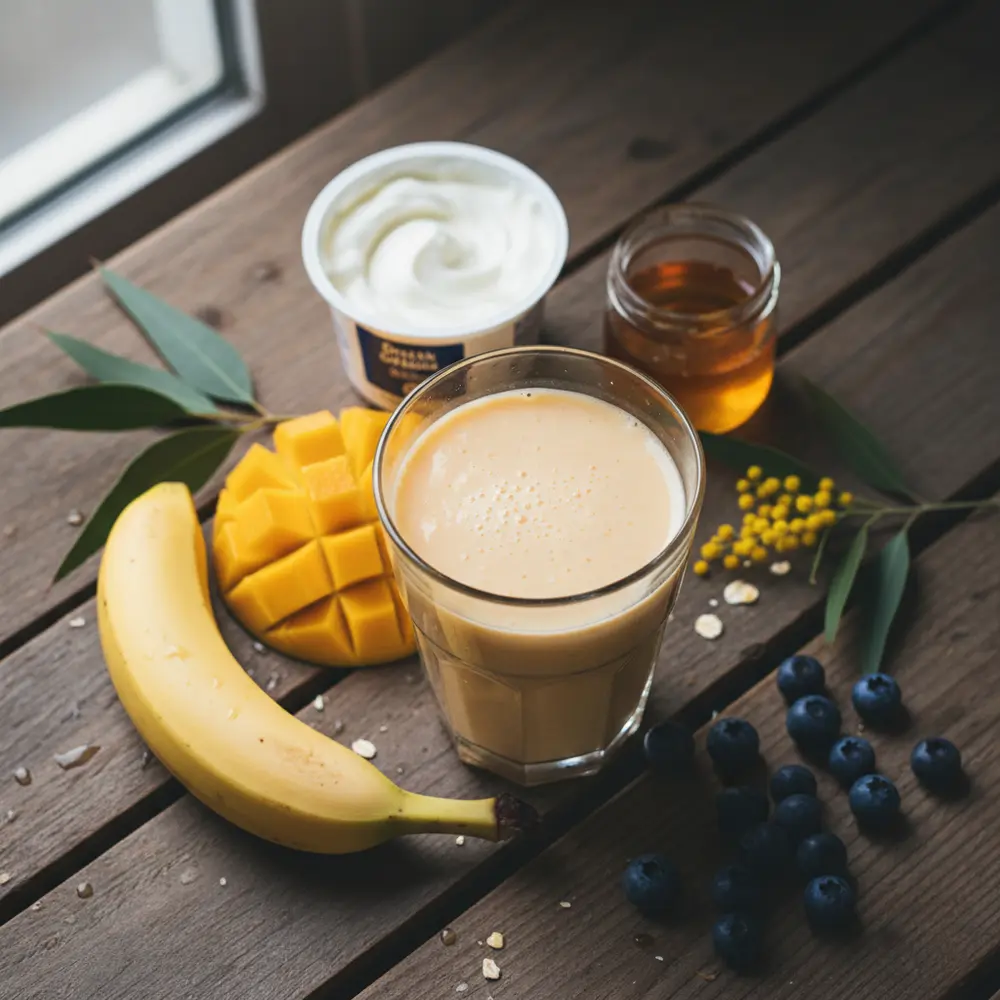
- A smoothie made with banana, milk or yoghurt, and some oats if you prefer something liquid
If you are riding first thing and cannot stomach a full meal, at least have a banana and a coffee. Caffeine is well-supported by peer-reviewed sport nutrition research as a mild performance aid at moderate doses, and a standard flat white or black coffee before a commute is a perfectly sensible approach for most adults.
Pocket Food: The Best On-the-Bike Snacks for Commuters
On-bike snacking is where things get a bit more specific. The food needs to be packable, edible without stopping, not too messy, and actually useful for maintaining your energy. For most commuter distances, the bar is not high. You are not fuelling a six-hour road race. You just need something that keeps you ticking along.
What Actually Fits in a Jersey Pocket or Handlebar Bag
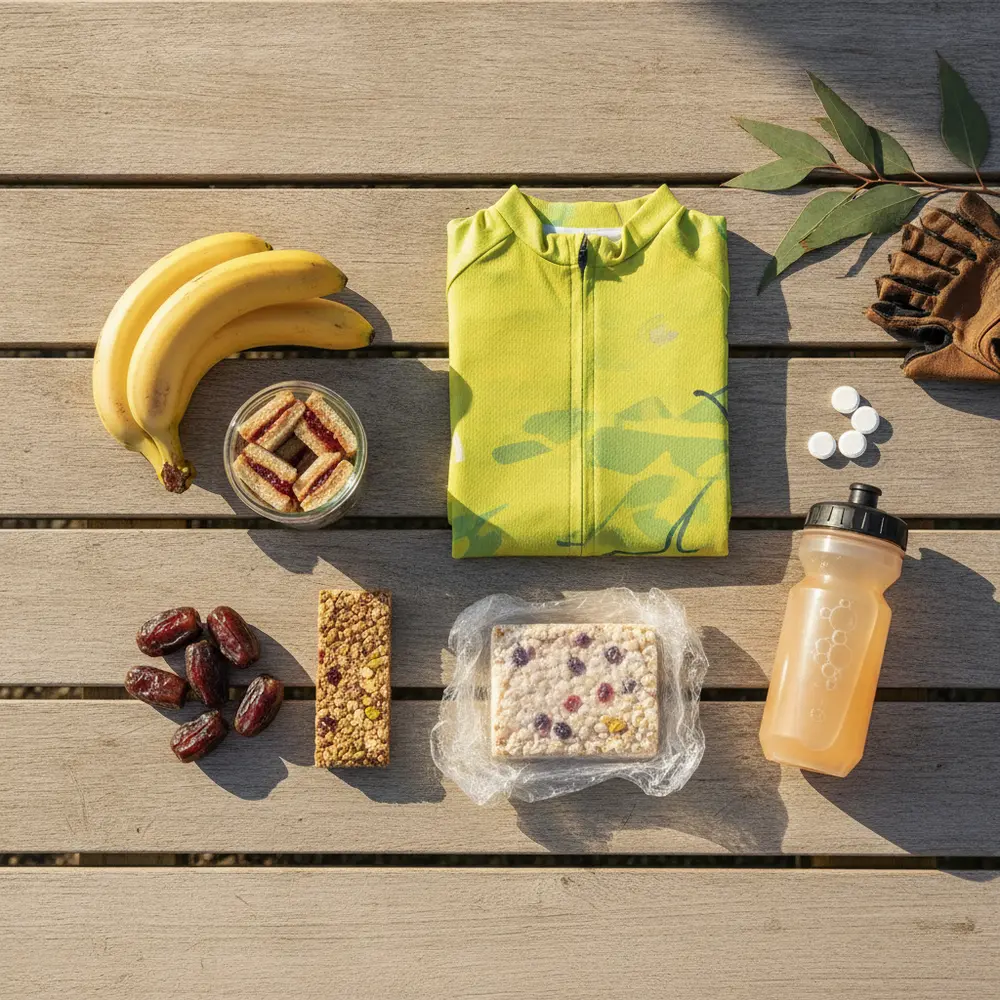
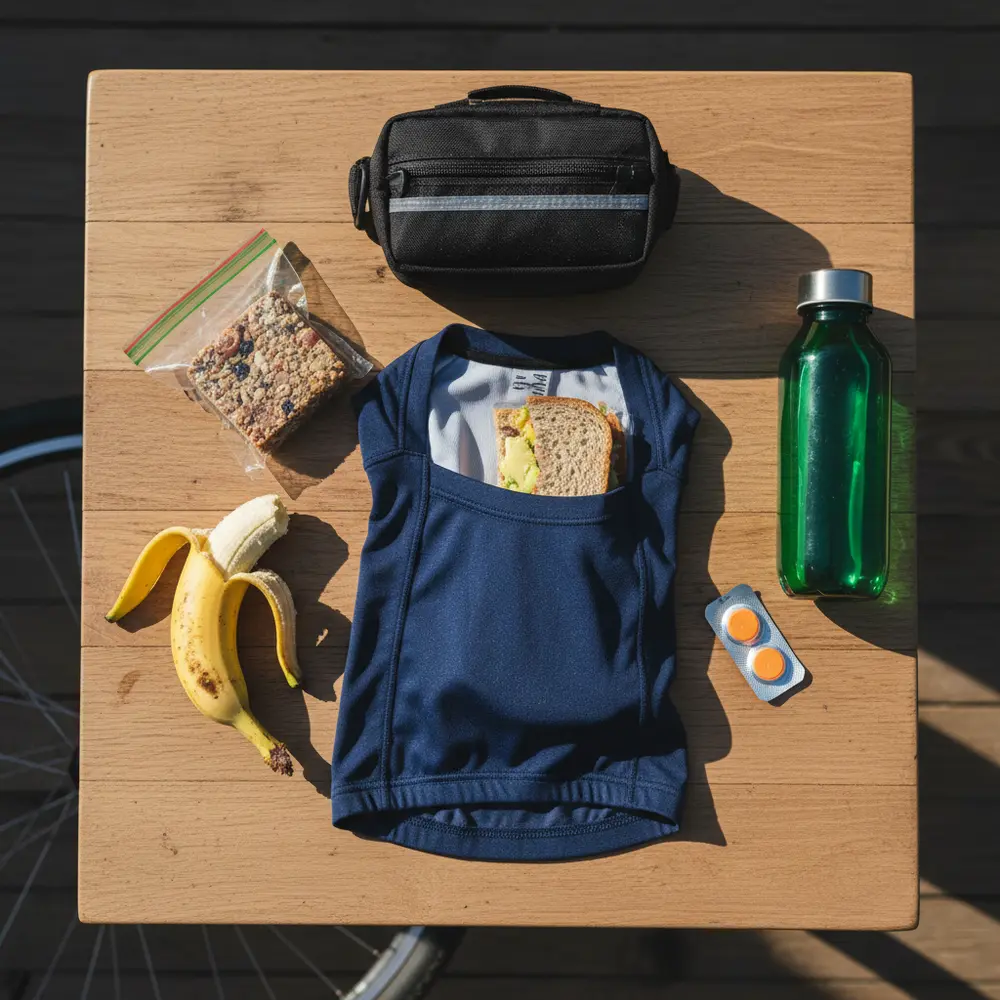
Practicality matters. Food that falls apart, melts in the heat, or requires two hands to unwrap is not a good choice mid-ride. Stick to things that are compact, wrapped, and easy to eat. Good options include:
- A banana (the original cycling snack, and still one of the best)
- A muesli bar or oat-based bar from any supermarket
- A small sandwich cut in half and wrapped in foil or a zip-lock bag
- A few dates or dried apricots in a small container or bag
- A rice cake or two if you want something a bit lighter
For most commuters, a banana and a muesli bar in the jersey pocket covers you well for rides up to around 30 km. Beyond that, you might want two snacks and a bit more thought around timing.
Homemade vs Store-Bought: What Makes Sense in Australia
The honest answer here is that both work fine at commuter distances. Specialty cycling nutrition products like gels and purpose-made bars are engineered for race conditions and long endurance efforts. For a daily commute, they are overkill and they are not cheap. The Sports Dietitians Australia cycling fact sheet confirms that everyday foods can be just as effective as commercial sports nutrition products for most recreational and commuter cyclists.
Homemade bliss balls or energy bites made from oats, honey, and nut butter are popular in Australian cycling communities and genuinely practical. But if you are time-poor, a supermarket muesli bar does the same job. Do not overthink it. The best snack is the one you actually remember to pack.
Hydration on the Commute: More Than Just Water
Water is non-negotiable. You should be sipping throughout any ride, not waiting until you feel thirsty. By the time thirst kicks in, you are already mildly dehydrated, and that affects concentration and leg feel before you even notice it is happening.
A general rule of thumb for Australian conditions is to aim for around 500 ml to 750 ml of fluid per hour of riding, but this goes up significantly in hot and humid weather. In a Brisbane summer or a Perth heatwave, you might need considerably more. The Better Health Channel cycling guide emphasises that proper hydration is a core part of safe and sustainable cycling habits.
For rides under 45 minutes in mild conditions, plain water is usually all you need. For longer rides or hot days, an electrolyte tablet or powder dissolved in your bottle can help replace sodium and other minerals lost through sweat. You do not need expensive products. Basic electrolyte sachets available at most Australian chemists or supermarkets do the job well.
Post-Ride Recovery Nutrition: Do Not Skip This Step
A lot of commuter cyclists ride in, chain the bike up, and then do not eat anything for another couple of hours. If you are riding daily, this is where fatigue builds up over the course of the week. Getting something in within 30 to 60 minutes of finishing your ride helps your body replenish glycogen stores and start the muscle repair process.
You do not need a complex recovery shake. A practical post-ride snack or meal includes a mix of carbohydrates and protein. Good options are:
- A tub of yoghurt with fruit
- Eggs on toast
- A chicken or tuna sandwich
- Milk-based smoothie with fruit and oats
- Leftover rice with some protein from dinner the night before
If you commute to work, this could simply be your morning tea or an early lunch eaten not too long after you arrive. The timing does not need to be exact, but sooner is better than waiting three hours. The Bicycle Network nutrition tips for everyday riders reinforce this as one of the most commonly skipped but most useful habits for regular commuters.
Simple Commuter Nutrition Plan by Ride Length
Here is a practical reference table to help you match your nutrition to your commute distance. Keep this simple and adjust it based on conditions and how you feel.
| Ride Length | Before the Ride | On the Bike | After the Ride | Hydration Target |
|---|---|---|---|---|
| Under 15 km | Light meal or snack 30-60 min before. Toast, banana, or yoghurt works well. | Usually not needed. Water only if it is hot. | Normal meal or snack within 1-2 hours. | 500 ml or one full bottle. |
| 15 to 30 km | Solid meal 60-90 min before. Oats, toast with protein, or a smoothie. | One light snack if riding hard or in heat. Banana or muesli bar. | Snack with carbs and protein within 60 min. Yoghurt, eggs, or a sandwich. | 500-750 ml. More in hot weather. |
| 30 km and over | Proper meal 90 min before. Oats, eggs on toast, or a substantial smoothie. | One to two snacks across the ride. Eat before you feel hungry. | Full recovery meal within 30-60 min. Include carbs and protein. | 750 ml or more per hour. Electrolytes on hot days. |
Common Mistakes Commuter Cyclists Make
- Skipping breakfast on longer morning commutes and then wondering why they feel flat halfway through.
- Waiting until they are thirsty before drinking. By then, mild dehydration is already affecting performance.
- Overeating on short commutes because they think cycling burns more calories than it does at low intensity.
- Buying expensive gels and bars for a 15 km urban commute. Supermarket food does the same job.
- Ignoring post-ride nutrition and wondering why they feel wrecked by the end of the week.
- Riding on a completely empty stomach (fasted) on longer commutes. This can work for short easy rides, but it carries real risk on longer or harder efforts, especially for beginners.
If You Are New to Commuter Cycling
Starting out, keep your nutrition approach simple. There is no need to be precise or technical. Just build a few basic habits:
- Always eat something before a ride that is longer than 20 minutes, even if it is just a banana.
- Carry a full water bottle no matter how short the ride. Refill it at work.
- Pack a muesli bar in your bag for any ride over 20 km. Eat it if you start to feel your energy dip.
- Eat a proper meal or snack when you arrive at your destination, not three hours later.
- Do not stress about getting it perfect. Consistent beats perfect every time.
If You Have Been Commuting for a While
If you are already riding regularly and want to fine-tune things, here is where to focus:
- Pay attention to how you feel across the week. If energy drops by Wednesday or Thursday, your recovery nutrition is probably lacking.
- On your longer commute days or hot days, experiment with electrolytes rather than plain water and see if it makes a difference.
- Try eating your pre-ride meal a bit earlier to give your gut more time to settle before you push harder efforts.
- Consider the Australian Dietary Guidelines as a useful baseline for your overall eating patterns, not just ride days.
- If you are adding distance or intensity, your overall daily food intake needs to go up too. Do not just rely on on-bike snacks to compensate.
Commuter Cyclist Pocket Nutrition Checklist
Print this out or save it to your phone. Use it as a quick reference before you pack your bag.
Under 15 km:
- Before: light snack or meal, 30 to 60 minutes out. Banana, toast, or yoghurt.
- On bike: water only, at least half a bottle.
- After: normal meal within 1 to 2 hours.
- Hydration: 500 ml minimum, more if hot.
15 to 30 km:
- Before: solid meal, 60 to 90 minutes out. Oats, eggs on toast, or a smoothie.
- On bike: one snack if hard effort or hot day. Banana or muesli bar. Full bottle of water.
- After: carbs and protein snack or meal within 60 minutes. Yoghurt, sandwich, or eggs.
- Hydration: 500 to 750 ml per hour. Add electrolytes if sweating heavily.
30 km and over:
- Before: proper meal, 90 minutes out. Oats, eggs on toast, or a substantial smoothie.
- On bike: one to two snacks. Eat before hunger hits. Banana, muesli bar, or a small sandwich.
- After: full recovery meal within 30 to 60 minutes. Include carbs and protein.
- Hydration: aim for 750 ml or more per hour. Electrolytes recommended on hot days.
Frequently asked questions
Do I need to eat on the bike if my commute is under 30 minutes?
Generally, no. A solid meal or snack before you leave is enough for a short, easy commute. As long as you are not riding on a completely empty stomach, you will be fine. Just make sure you have water with you.
Is fasted riding safe for commuters?
Short, easy commutes on an empty stomach are unlikely to cause problems for most healthy adults. However, for longer or harder efforts, riding without any fuel can lead to low energy, poor concentration, and a worse experience overall. For beginners especially, it is worth eating something before any ride over 20 minutes.
Do I need electrolyte drinks or just plain water?
For most commutes under 45 minutes in mild conditions, plain water is perfectly sufficient. On hotter days, on longer rides, or if you sweat heavily, adding an electrolyte tablet or powder to your bottle is a sensible and inexpensive step. You do not need premium products for this.
What is the cheapest, most practical on-bike snack in Australia?
A banana. Full stop. They are cheap, available everywhere, easy to carry, easy to eat one-handed, and genuinely good fuel for cycling. After that, a standard supermarket muesli bar or a small wholegrain sandwich does the job well for most commuter distances.
How do I know if I am dehydrated mid-ride?
Common signs include a dry mouth, darker urine before or after the ride, a headache starting to build, or feeling sluggish and losing focus. If any of these show up on the bike, drink something and slow your pace a little. The best approach is to sip steadily throughout the ride rather than trying to catch up at the end.
Wrapping Up
Commuter nutrition does not need to be complicated. Here is the short version:
- Eat something before every ride, especially on longer or hotter days.
- Carry a snack for any commute over 20 km, even if you do not end up needing it.
- Drink steadily throughout the ride. Do not wait until you are thirsty.
- Eat a recovery snack or meal within an hour of finishing if you ride regularly.
- Supermarket food works fine. Save the specialty products for when you actually need them.
If you want to explore more cycling tips for getting the most out of your riding, have a look at what is on the Segment Club site. And if you have specific questions about your setup or nutrition approach, feel free to get in touch and we will point you in the right direction.
This is educational content, not personalised dietary advice. For advice tailored to your health and goals, consult an Accredited Sports Dietitian.