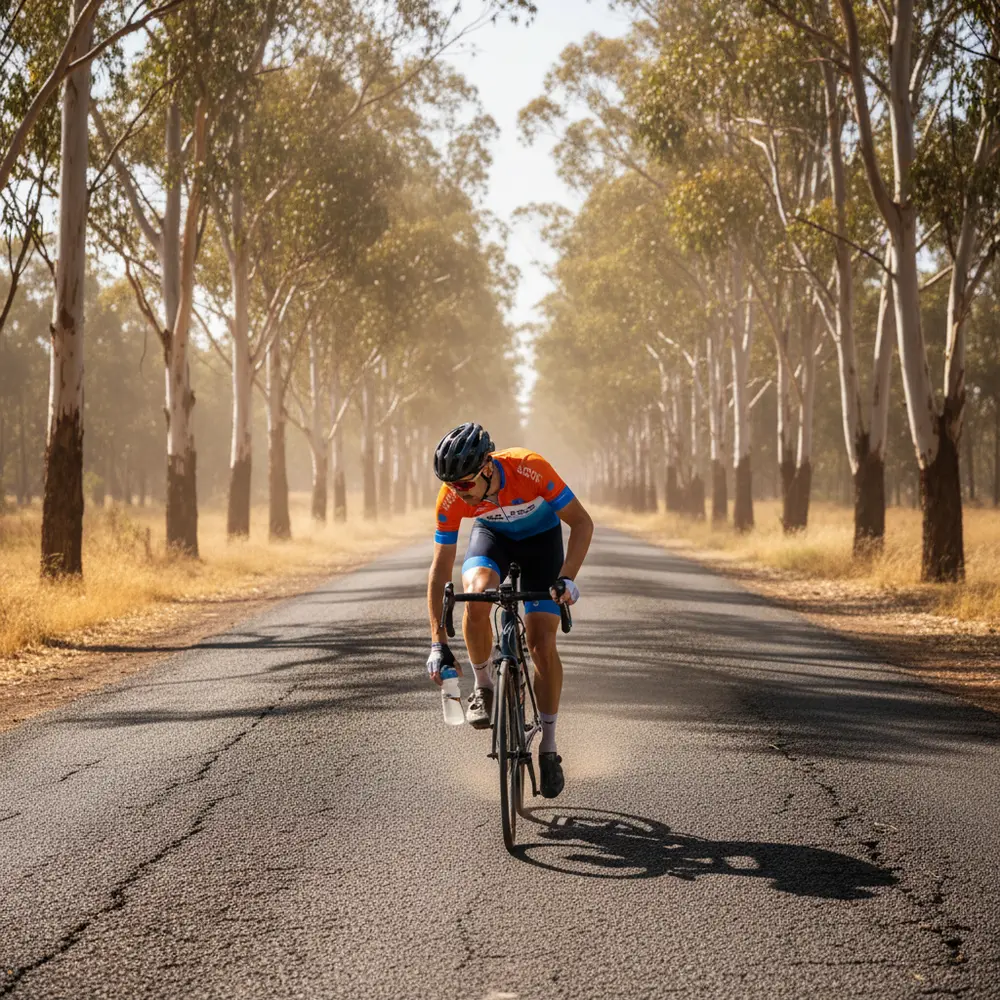
Riding in 35°C+ Australian heat is not just uncomfortable, it is genuinely dangerous if you get your hydration wrong. Dehydration and heat illness can sneak up fast, and on a long January ride through the Adelaide Hills or out west of Sydney, there is no room for guesswork.
By the end of this article you will know how much to drink and when, what to put in your bottles, how to read your body for early warning signs, and how to set up your ride so the heat does not end it early. This is the practical stuff, not just the textbook version.
Note for Australian cyclists:
- Cities like Adelaide, Perth, Melbourne and western Sydney regularly see summer days above 35°C, and according to Bureau of Meteorology climate data, heatwaves in southern and inland Australia are becoming more frequent.
- Humidity varies a lot between coastal and inland riding. On the coast, sweat evaporates slower, so your body works harder to cool down even if the air temperature is lower than inland.
- Early morning is your best window. Most experienced riders in hot climates are rolling before 7am in summer for good reason.
At a glance:
- Aim to drink 500-750ml per hour in moderate heat, and more as conditions push above 35°C.
- For rides over 60-90 minutes, plain water alone is not enough. You need electrolytes, particularly sodium.
- Losing more than 2% of your body weight in fluid can measurably hurt your performance and your safety.
- Know the warning signs of heat illness and have a plan to stop if they show up.
Key takeaways:
- Start drinking before you are thirsty, not when you feel dry.
- Match your drink choice to your ride length and conditions, not just your preference.
- Post-ride rehydration matters as much as what you do on the bike.
Why Hydration Is a Cycling Nutrition Essential, Not an Afterthought
A lot of newer riders think about hydration as a comfort thing, something to stop you feeling thirsty. It is actually a core part of cycling nutrition that affects how your heart works, how your muscles fire, and how your body manages heat. When you are dehydrated, your blood becomes more concentrated, your heart has to work harder to push it around, and your core temperature climbs faster.
Research from the American College of Sports Medicine supports the widely cited point that performance can drop at fluid losses as low as 2% of body weight. For a 75kg rider, that is just 1.5 litres, something you can lose in under an hour on a hot day. The heat does not give you much margin.
What Actually Happens to Your Body at 35°C and Above
When you ride in the heat, your body does two things at once: it tries to fuel your muscles and it tries to cool itself down. Both of those processes compete for blood flow. Your skin needs blood near the surface to radiate heat, and your muscles need blood to keep working. In high temperatures, that competition gets harder to manage.
Sweat is your primary cooling mechanism on the bike. According to Gatorade Sports Science Institute research on hydration and thermoregulation, even mild dehydration of 1-2% body mass impairs your body's ability to regulate temperature. On a 38°C day with low humidity, you can be sweating heavily without realising it because the sweat evaporates so fast off your skin and kit.
How Much Should You Actually Drink on a Hot Ride
There is no single number that works for everyone, and anyone who tells you otherwise is oversimplifying it. A useful starting point is 500-750ml per hour in moderate conditions. In extreme heat above 35°C, or at higher intensities, that figure can need to go up significantly. The Australian Institute of Sport hydration guidelines note that sweat rates can range from 0.5 to 2.5 litres per hour depending on the individual, the conditions, and how hard you are riding.
The honest answer is that you need to get a feel for your own rate, and in 35°C+ conditions you should be erring on the side of drinking more, not less. Thirst is not a reliable early signal in the heat. By the time you feel properly thirsty on a hot day, you are already behind.
Understanding Your Sweat Rate and Why It Varies
Your sweat rate is influenced by your body size, fitness level, how acclimatised you are to the heat, and the specific conditions on the day. Bigger riders generally sweat more. Fitter riders tend to start sweating earlier and more efficiently. If you are new to riding in the heat, your body is less adapted and the effort will feel harder than it should.
A simple way to estimate your sweat rate is to weigh yourself before and after a ride (without eating or drinking in between, or accounting for any fluid you consumed). Each kilogram of weight lost is roughly one litre of fluid. This is an advanced approach but it is worth knowing about if you are serious about dialling in your hydration. For most beginners, the practical focus should be on drinking consistently and not waiting until you feel bad.
Acclimatisation to heat generally takes around 10-14 days of progressive exposure, according to both Sports Medicine Australia heat illness guidance and riding experience. If your first hot summer ride is also your longest, that is a recipe for trouble. Build into the conditions gradually.
The Pre-Ride, During-Ride and Post-Ride Hydration Breakdown
Hydration is not just something you manage on the bike. What you do the night before and the morning of a hot ride makes a real difference to how you start. The AIS recommends starting exercise already well-hydrated, which means consistent fluid intake in the 24 hours before, not just a big glass at the door.
| Phase | Target | Notes |
|---|---|---|
| Night before | Drink consistently through the day | Pale yellow urine is a good sign. Dark yellow means catch up. |
| Morning of ride | 400-600ml in the 1-2 hours before rolling | Do not slam a litre right before you leave. Spread it out. |
| On the bike | 500-750ml per hour minimum, more in extreme heat | Set a reminder or use a watch to prompt regular sips. |
| Post-ride | 125-150% of fluid lost | Weigh yourself if you want to be precise. Eat something salty too. |
Water vs Electrolyte Drinks - What to Reach For and When
For most rides under an hour in mild conditions, water is fine. Once you are riding longer, riding harder, or riding in the heat, plain water starts to fall short. The issue is not just replacing what you sweat out. It is also replacing what the sweat takes with it, particularly sodium.
What Are Electrolytes and Why Do Cyclists Lose Them Fast in the Heat
Electrolytes are minerals that help your body manage fluid balance, nerve signals and muscle function. Sodium is the most important one for cyclists in the heat because it is lost in the highest concentrations through sweat. When you drink a lot of plain water without replacing sodium, you can dilute the sodium in your blood, which in prolonged events carries a risk of hyponatremia (low blood sodium). This is more of a concern for events lasting several hours where someone is drinking large volumes of plain water, but it is worth understanding regardless of your ride length.
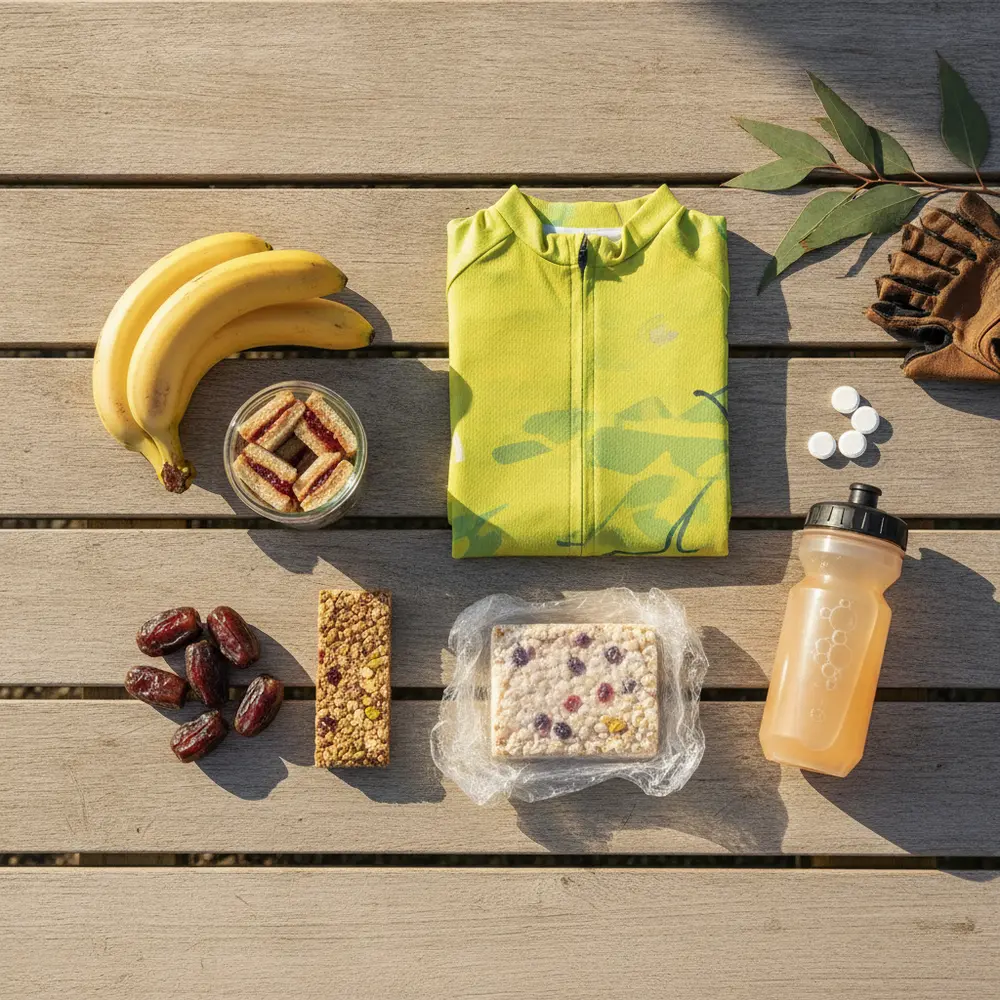
The practical upshot is simple: for rides over 60-90 minutes in the heat, use an electrolyte drink or add electrolyte tabs or powder to your water. Commercial sports drinks like Gatorade or Powerade will do the job, though they tend to be higher in sugar than purpose-made cycling electrolyte products. If you prefer something lighter or more controlled, electrolyte tabs or sachets dissolved in water are a flexible option. Both approaches work. The key is getting some sodium in alongside your fluids.
Practical Hydration Hacks for Australian Summer Rides
Here is the stuff that actually makes a difference when you are standing in the kitchen at 5:30am before a summer ride. Some of it is small, but it adds up over a long hot day in the saddle.
- Freeze one bottle the night before. An insulated or partially frozen bottle can keep your drink noticeably cooler for the first hour or two. Cold fluid also helps keep your core temperature lower, which is not just a comfort thing, it actually helps with thermoregulation.
- Check your urine colour before you leave. Pale straw yellow means you are well hydrated. Darker means drink more before you go. If it looks like apple juice, do not even consider a long hot ride without sorting that out first.
- Set a drinking schedule, not just a reminder to drink when thirsty. A sip every 10-15 minutes is a reasonable rhythm. A sports watch alert or a timer on your phone can help you build the habit until it is automatic.
- Plan your route around water stops. In summer, do not ride routes where you cannot refill for more than 60-90 minutes. Petrol stations, cafes and public parks are your friends. Check them on the map before you leave, not while you are bonking in the sun.
- Pour spare water over your neck and forearms on the bike. This is not a myth. Cooling the skin helps your body manage core temperature, even briefly. If you carry a third bottle in extreme heat, this is a solid use for it.
- Start your post-ride rehydration before you shower. Sitting down with a cold electrolyte drink and something salty straight off the bike is more effective than waiting until you feel hungry. Your body is still absorbing and recovering, and getting fluid in early matters.
Bottle Setup, Timing Your Sips and Route Planning Around Water Stops
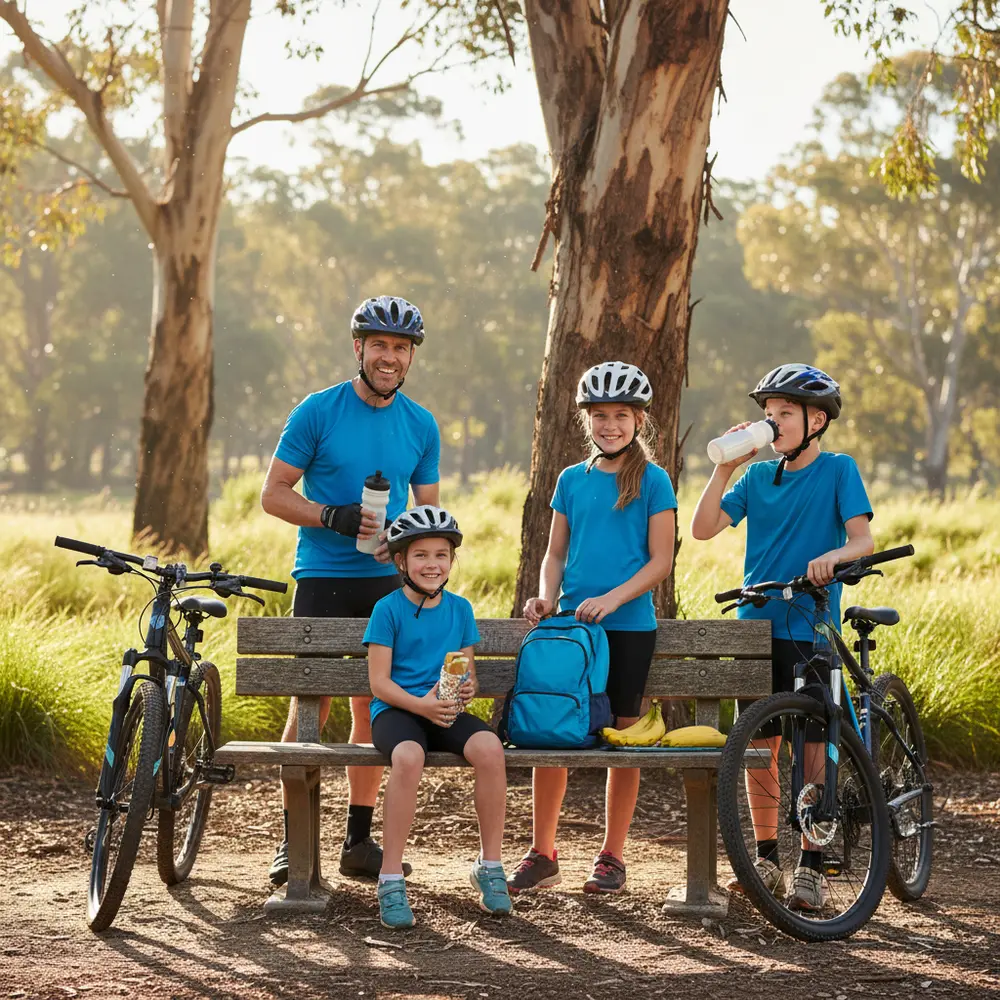
On a standard road or gravel bike, two bottle cages is your baseline for anything over an hour in summer heat. If your frame only takes one bottle, look at a cage that mounts to your handlebar or seat tube, or consider a small hydration pack for longer rides in remote areas. Running out of fluid 20km from anywhere in 38°C heat is not a situation you want to find yourself in.
For club rides in January and February in cities like Adelaide or Perth, it is worth having a conversation at the start of the ride about water stops and pace. Check Cycling Australia for rider welfare guidance around events in extreme heat. Most experienced riders in those conditions will tell you to ride to your hydration, not to the group.
Warning Signs - When Dehydration and Heat Illness Are Setting In
This is the section you hope you never need, but you need to know it cold before you ride in serious heat. Heat illness is a spectrum, and the early stages are easy to miss or push through when you are in the zone on a ride.
Common warning signs to watch for:
- Heavy sweating followed by a sudden reduction in sweating (not a good sign)
- Dizziness, light-headedness or a feeling of spinning when you slow down
- Nausea or stomach cramps
- Muscle cramps, particularly in the legs or core
- Headache that builds during the ride
- Confusion, irritability or unusually poor decision-making
According to Sports Medicine Australia, heat illness ranges from heat cramps and heat exhaustion through to life-threatening heat stroke. If you or a riding buddy shows signs of confusion, stops sweating in high heat, or collapses, that is a medical emergency. Stop, move to shade, cool the person down, and call for help. Do not try to keep riding it off.
Common Mistakes Cyclists Make With Hydration in the Heat
- Waiting until thirsty to drink. Thirst lags well behind actual fluid need in hot conditions. By the time you notice it, you are already behind.
- Only carrying one bottle on a long summer ride. One 750ml bottle is not enough for 90 minutes or more at 35°C+. Two is a minimum, three is smarter in remote or long-ride situations.
- Drinking lots of plain water on a long ride without any electrolytes. This dilutes your sodium and leaves you feeling flat or crampy, especially on rides over 90 minutes.
- Skipping pre-ride hydration and trying to catch up on the bike. You cannot fully make up a hydration deficit once you are already riding in serious heat.
- Ignoring early symptoms of heat illness and pushing through. Heat exhaustion does not always feel dramatic at first. Trust the signs.
- Not adjusting your ride plan when conditions are genuinely dangerous. There is no shame in cutting a ride short or starting later when the forecast is extreme. The bike will be there tomorrow.
If You Are New to Riding in Australian Summer Heat
- Start with shorter rides in the early morning, ideally before 8am, to limit your heat exposure while your body adapts.
- Always carry at least one full electrolyte bottle, not just water, even on rides you expect to be short.
- Tell someone where you are going and when you expect to be back, especially on solo rides in remote areas.
- Check the Bureau of Meteorology forecast the night before and build a heat threshold into your ride decisions, a reasonable rule of thumb is to reassess any ride over 90 minutes if the temperature is forecast above 38°C.
- Learn to read your urine colour and body weight trends over a few rides so you start to understand your own sweat rate and hydration needs.
If You Have Ridden in the Heat Before
- Consider doing a proper sweat rate test over a few sessions to dial in your per-hour fluid targets more precisely.
- Experiment with sodium loading or higher-electrolyte drinks on rides over 3 hours to see how your body responds to the increased replacement.
- Build heat acclimatisation deliberately into your summer training block across 10-14 days rather than just hoping your body adapts.
- Look at your bottle cage setup critically. If you are doing long summer gravel rides, a frame bag with a soft flask or a third cage mount is worth considering for the serious summer months.
- Review your post-ride rehydration routine. The 125-150% of fluid lost replacement target from the AIS is a useful benchmark if you have not been tracking this.
Your Hot-Ride Hydration Checklist
The night before:
- Drink consistently through the afternoon and evening. Aim for pale yellow urine before bed.
- Freeze one water bottle or prep an insulated bottle for the morning.
- Mix your electrolyte drink and store it in the fridge.
- Check the BoM forecast and adjust your planned start time or route if needed.
Morning of the ride:
- Drink 400-600ml in the 1-2 hours before you leave, spread it out, not all at once.
- Check urine colour before you get on the bike. Pale straw, good. Dark, drink more.
- Load two bottles minimum. One electrolyte, one water (or both electrolyte in extreme heat).
- Set a timer or watch reminder to sip every 10-15 minutes.
On the bike:
- Drink before you feel thirsty. Stick to your schedule.
- Match your intake to your sweat rate, roughly 500-750ml per hour as a baseline, and more if it is above 35°C.
- Pour spare water over neck and forearms if you are overheating.
- Know your water stop locations and stick to the plan.
After the ride:
- Start rehydrating before you shower or eat.
- Target 125-150% of fluid lost (weigh yourself if you can).
- Eat something salty to help your body retain the fluid.
- Rest in a cool space and monitor how you feel for the next hour.
Frequently asked questions
How much water should I drink on a hot ride in Australia?
A starting point is 500-750ml per hour, but in conditions above 35°C your needs can be significantly higher depending on your sweat rate, body size and ride intensity. The AIS notes sweat rates can reach up to 2.5 litres per hour in extreme conditions. Use the checklist above and learn your own body over a few rides rather than relying on a single number.
Do I need electrolytes or is water enough?
For rides under about an hour in mild conditions, water is generally fine. In the heat, or on any ride over 60-90 minutes, electrolytes (particularly sodium) are important. Drinking large volumes of plain water on long hot rides without replacing electrolytes can leave you feeling flat and in rare prolonged cases carries a risk of hyponatremia. Add an electrolyte tab, powder or sports drink to at least one bottle on summer rides.
What are the early signs of heat exhaustion while cycling?
Early signs include heavy sweating, dizziness, nausea, muscle cramps, a building headache and feeling unusually weak or foggy. If any of these show up, slow down, find shade, drink something with electrolytes, and do not try to push through. More severe signs like confusion, stopping sweating in serious heat, or collapse are a medical emergency. Refer to the Sports Medicine Australia heat illness guidelines for a full breakdown.
Should I drink coffee before a hot summer ride?
The concern that caffeine significantly increases dehydration is largely overstated for moderate amounts. A coffee before a ride is unlikely to meaningfully hurt your hydration, but it is not a replacement for actual fluid. If you are having coffee before a summer ride, make sure you are also drinking water or an electrolyte drink alongside it.
How long does it take to acclimatise to Australian summer heat on the bike?
Acclimatisation generally takes around 10-14 days of progressive heat exposure. During that period your body adapts by starting to sweat earlier and more efficiently, and your cardiovascular system handles the heat load better. If the first hot ride of summer is also your biggest ride of summer, you are skipping the adaptation phase and taking on unnecessary risk. Build into the heat gradually over a few weeks.
Wrapping Up
Hydration in Australian summer heat is not complicated, but it does need to be deliberate. Here is the short version:
- Drink before you are thirsty and keep a consistent schedule on the bike.
- Use electrolytes on any ride over 60-90 minutes in the heat, not just water.
- Know the warning signs of heat illness and have a clear plan for what to do if they appear.
- Set your ride up the night before. Cold bottles, a checked forecast, a known route with water stops.
- Build into summer conditions gradually rather than going straight into long hot rides without acclimatisation.
For more on fuelling your rides, check out our cycling nutrition guides and if you want to talk through your setup or have questions, get in touch with the Segment Club team. We are happy to help.
This is educational content, not medical advice. If you have concerns about exercising in extreme heat or managing a health condition during riding, consult a qualified health professional before heading out.