Walk into any Australian supplement store and you will find hundreds of products promising faster legs and quicker recovery. The reality is that most of them are not worth your money, and a small handful genuinely are.
By the end of this article you will know which supplements have solid evidence behind them, which ones are situational, and which ones you can safely ignore. You will also know what to look for on the label and where to buy smart in Australia.
Note for Australia:
- The Australian Institute of Sport supplement classification is the best local reference for evidence quality. Use it before you spend anything.
- If you compete in any sanctioned event under Cycling Australia, strict liability applies. A contaminated supplement is your problem, not the manufacturer's.
- Check the HASTA certified supplements database before purchasing. It is free and takes two minutes.
At a glance:
- Caffeine is the single most evidence-backed supplement for cycling performance.
- Electrolytes, carb gels, and protein are tools for convenience and timing, not magic.
- Iron is critical but must be confirmed with a blood test before you supplement.
- Most proprietary blends and pre-workout products are not worth the price tag.
Key takeaways:
- Food first. Supplements fill gaps, they do not replace a good diet.
- Look for HASTA or Informed Sport certification if you race in sanctioned events.
- Get blood work done before supplementing with iron or anything targeted at deficiency.
Do Cyclists Actually Need Supplements?
Honest answer: most riders eating a reasonably balanced diet do not strictly need supplements. Sports Dietitians Australia is clear on this point, and their guidance is built around a food-first principle that puts real meals ahead of anything in a tub or sachet.
That said, there are situations where the right supplement, used correctly, does make a real difference. Timing convenience, confirmed deficiencies, and specific race-day ergogenic aids are all legitimate reasons to consider supplementation.
Food First - Where Supplements Fit in the Bigger Picture
Think of supplements as the last five percent, not the foundation. A rider sleeping poorly, skipping meals, and training without structure will not solve those problems with a protein shake and a caffeine gel. Fix the basics first.
Once your training, sleep, and general diet are in reasonable shape, targeted supplementation can add genuine value. The key word is targeted. Knowing what you actually need, ideally confirmed by a blood test or a consult with a sports dietitian, is what separates smart spending from guesswork.
The Supplements That Have Real Evidence Behind Them
The AIS Sports Supplement Framework classifies supplements into groups based on evidence quality and safety. Group A means strong evidence and approved for use in appropriate contexts. The supplements below all sit in Group A and are worth understanding properly.
| Supplement | Best Use Case | Evidence Level | Approx. Cost (AUS) |
|---|---|---|---|
| Caffeine | Endurance and race day | Strong - Group A | $0.30 to $1.50 per dose |
| Electrolytes | Long rides and hot conditions | Strong - Group A | $1 to $3 per serve |
| Carbohydrate gels | Rides over 90 minutes | Strong - Group A | $2 to $4 per gel |
| Protein (whey or plant) | Post-ride recovery | Strong - Group A | $1 to $2 per serve |
| Iron (if deficient) | Confirmed low ferritin | Strong - Group A | Varies by prescription |
| Creatine | Track, criterium, MTB | Strong - Group A, context dependent | $0.50 to $1 per dose |
| Dietary nitrates | Sub-elite TT and events | Group A for relevant durations | $3 to $6 per shot |
| Beta-alanine | Efforts of 1 to 4 minutes | Group A for specific durations | $0.50 to $1 per dose |
Caffeine - The One Everyone Already Uses
Caffeine is the most well-researched ergogenic aid in sport, full stop. The ISSN caffeine position stand confirms that doses of 3 to 6mg per kilogram of body weight improve endurance performance, with the best results coming from ingestion 30 to 60 minutes before exercise.
For a 70kg rider, that is roughly 210 to 420mg. A strong flat white sits at around 150 to 200mg, so you might already be in the zone before you clip in. Caffeine is legal in all sanctioned competition and is not on the WADA prohibited list.
A few practical notes on caffeine use:
- Avoid taking caffeine late in the day if sleep is a priority. Performance gains from caffeine will not offset the damage of a poor night's sleep.
- Tolerance does blunt some effects over time, but it does not eliminate the benefit entirely.
- GI upset is a real risk for some riders, especially during hard efforts. Test your tolerance in training before race day.
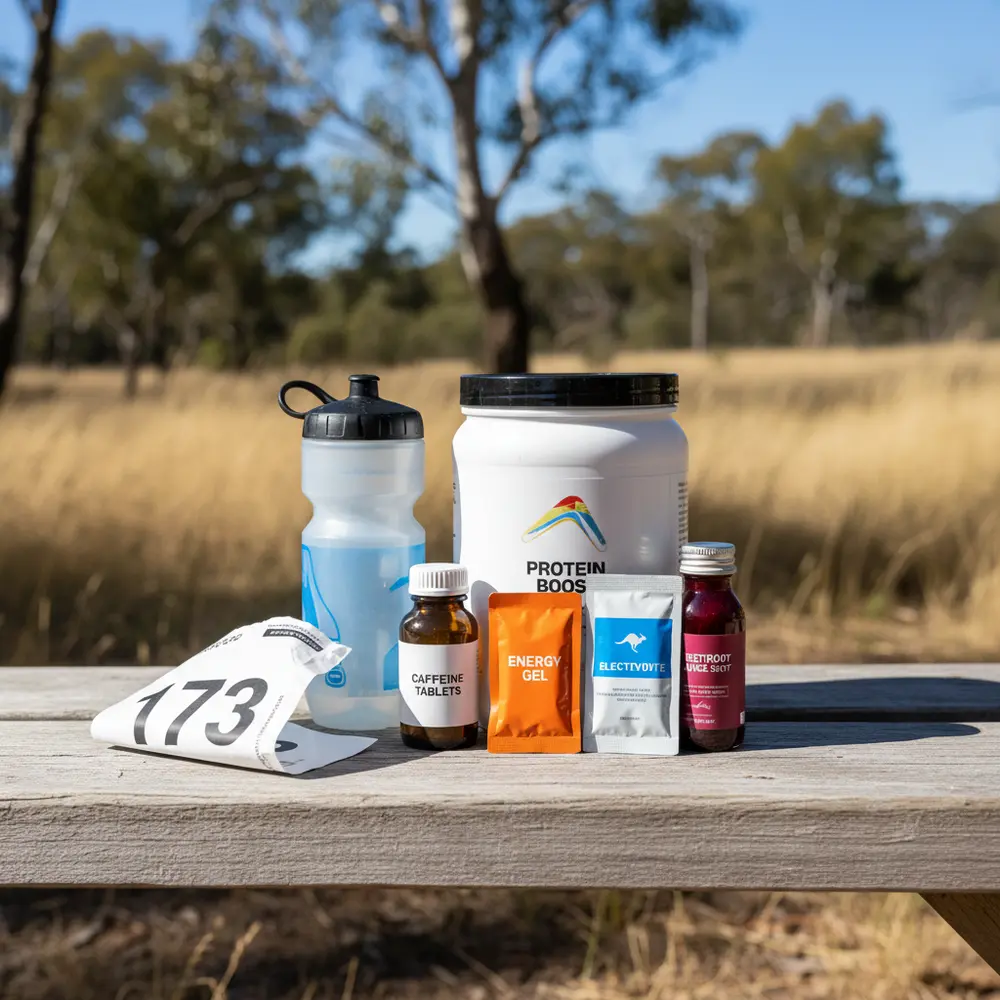
- Caffeine tablets are often the most cost-effective option compared to gels or pre-workouts.
Electrolytes and Sodium - More Than Just a Sports Drink
On long rides in Australian summer conditions, electrolyte loss through sweat is significant. Sodium is the key electrolyte for maintaining fluid balance and preventing cramping, and a dedicated electrolyte product is often more useful than plain water alone on rides exceeding 90 minutes.
You do not need a fancy product for this. Many riders use dissolvable electrolyte tablets, which are affordable and easy to pack. Brands like Shotz and Precision Hydration have solid reputations and are widely available in Australia. The important thing is consistency, especially in hot conditions.
Carbohydrate Gels and Powders - Convenience Over Magic
Carbohydrate gels are not magic. They are a convenient way to maintain blood glucose and muscle glycogen on rides longer than about 90 minutes. The science behind carbohydrate supplementation during endurance exercise is solid, but the product itself is just a delivery mechanism.
The real skill with carb gels is gut training. Using carbohydrate supplements consistently in training teaches your gut to absorb them without distress. Riders who skip gels in training and then rely on them in a race or sportive often end up with GI issues at the worst possible moment. Start with one gel per hour on longer rides and build from there if needed.
Protein and Recovery - Getting the Timing and Dose Right
The ISSN protein and exercise position recommends 1.4 to 2.0g of protein per kilogram of body weight per day for endurance athletes. Post-ride, a dose of 20 to 40g of high-quality protein supports muscle repair and adaptation.
Whey protein is popular because it absorbs quickly and is rich in leucine, the amino acid that drives muscle protein synthesis. Plant-based options work well too, though you may need to combine sources to cover all essential amino acids. The bigger point is this: if you are already hitting your daily protein targets through whole food, a shake is just a convenience tool, not a necessity.
Iron - A Common Deficiency in Australian Endurance Cyclists
Iron deficiency is one of the most common and under-recognised nutritional issues in endurance athletes, and Australian cyclists are no exception. Iron deficiency in endurance athletes is well documented, with women, vegetarians, and high-volume trainers at the highest risk.
Symptoms like persistent fatigue, flat legs, and difficulty recovering can all point to low iron, but those same symptoms describe a dozen other problems too. A blood test is the only way to confirm it. Do not start supplementing with iron on a hunch as excess iron causes real harm. Talk to your GP and ask for a ferritin test specifically, not just a standard iron panel.
- Women cyclists are at significantly higher risk due to monthly losses.
- Vegetarian and vegan riders absorb less iron from plant-based sources.
- High training loads increase iron loss through sweat and haemolysis (foot-strike breakdown of red blood cells, which also occurs in cycling through vibration).
- If supplementation is confirmed as necessary, take iron away from coffee and calcium to maximise absorption.
Creatine - Worth It for Cyclists or Just for Gym Goers?
Creatine is one of the most researched supplements in sport and it absolutely works, just not equally for all types of cycling. For road cyclists spending most of their time in zone 2 to 4, the benefit is limited. Where creatine earns its place is in disciplines that involve short, repeated high-intensity efforts.
If you race criteriums, do track cycling, or mountain bike with lots of sprint-recover efforts, creatine is worth considering. The loading phase is optional and standard dosing is around 3 to 5g per day. Creatine monohydrate is the form with the strongest evidence and it is also the cheapest.
Beta-Alanine and Nitrates - Marginal Gains or Meaningful Ones?
Beta-alanine buffers lactic acid and is most effective for efforts lasting between one and four minutes. For criterium sprints, short climbs, and track pursuit efforts, it is a legitimate Group A supplement. The tingling sensation it causes on skin (paraesthesia) is harmless and typically reduces with consistent daily use.
Dietary nitrates from beetroot juice or concentrate work differently, improving oxygen efficiency during moderate to high intensity efforts. Research confirms that dietary nitrates and cycling performance are genuinely linked for sub-elite athletes, with typical doses of around 400 to 500mg of nitrate taken two to three hours before exercise. One practical note: avoid antibacterial mouthwash on days you use beetroot shots, as it kills the mouth bacteria needed to convert nitrate to nitric oxide.
Supplements With Weak or Mixed Evidence - Buyer Beware
This is where most of the money gets wasted. The sports supplements Australia evidence landscape is full of products that are heavy on marketing and light on research.
Products to approach with scepticism:
- BCAAs (branched-chain amino acids): If you are already hitting your daily protein target through whole food or a quality protein supplement, BCAAs add nothing. They are expensive and largely redundant for most cyclists.
- Fat burners: No evidence of meaningful effect in trained athletes. Many contain stimulants that are not declared properly on labels and can be a contamination risk for competitors.
- Most proprietary blends: Products that list a blend without specifying individual doses are almost always under-dosed. You are paying for marketing, not active ingredients.
- Collagen peptides for joints: Emerging research exists, but evidence quality is currently low. File it under "watch this space."
- Glutamine: Useful in clinical settings, but not supported for performance or recovery in healthy athletes with adequate protein intake.
Common Mistakes Cyclists Make With Supplements
- Buying a supplement before fixing sleep, training consistency, and diet basics.
- Taking iron supplements without getting a blood test first.
- Relying on pre-workout blends without checking ingredient doses or HASTA status.
- Using gels only in races, not training, and then suffering GI issues on race day.
- Spending $80 on a proprietary blend instead of $15 on plain creatine monohydrate.
- Assuming "natural" or "herbal" on a label means clean or safe for sanctioned competition.
What to Look for When Buying Supplements in Australia
HASTA and Informed Sport Certification - Why It Matters
If you race in any sanctioned event under Cycling Australia athlete resources guidelines, you are subject to strict liability under ASADA rules. That means if a supplement you took contains a prohibited substance, you are responsible for the positive test, regardless of what the label says.
HASTA certification means the batch has been tested against the WADA prohibited list. It does not mean the product is effective, but it does reduce your contamination risk significantly. Informed Sport is the international equivalent and is equally credible. Both have searchable online databases you can check before you purchase.
Where to Buy - Australian Retailers and What to Avoid
Australian supplement prices vary widely. Here is a practical overview of where to shop and what to watch for:
- Nutrition Warehouse and Chemist Warehouse: Good range, competitive pricing, and stock many HASTA and Informed Sport certified products.
- Direct from brand websites: Often cheaper per serve for brands like Shotz, Clif, and Precision Hydration, and you can confirm certification directly.
- Generic online marketplaces: Higher contamination risk and limited ability to verify batch certification. Approach with caution if you compete.
- Gym reception desks and boutique shops: Convenient but often significantly more expensive per serve.
If You Are New to Supplements
- Start with the basics: caffeine if you want a performance boost, electrolytes for hot or long rides, and protein if your diet falls short post-ride.
- Do not buy anything in a proprietary blend until you understand the individual ingredients.
- Get a blood test before considering iron or any targeted deficiency supplement.
- Read the label for dose amounts, not just ingredient names.
- Check the HASTA database before your first purchase if you compete or plan to in the future.
If You Have Used Supplements Before
- Audit what you are currently using against the AIS Group A list and cut anything sitting in Group C.
- Review your caffeine strategy - timing and dose are worth fine-tuning if you have not done so.
- Consider whether your protein intake from whole food already covers your daily target before renewing a protein supplement subscription.
- If you are racing criteriums or track, revisit creatine and beta-alanine as both have strong evidence for your event type.
- Check that any supplements you race with have current HASTA or Informed Sport certification, not just an old batch approval.
Building Your Own Supplement Stack on a Budget
You do not need to spend a lot to cover the evidence-backed bases. Here is a simple tiered shortlist for Australian cyclists:
Tier 1 - Worth buying for most riders:
- Caffeine tablets or gels (check dose, not just brand)
- Electrolyte tablets or sachets for rides over 90 minutes
- Carbohydrate gels for longer rides and events
- Whey or plant protein powder if whole food is inconvenient post-ride
Tier 2 - Situational, worth considering with a reason:
- Iron supplements, confirmed by blood test and managed with a GP or dietitian
- Creatine monohydrate for criterium, track, or mountain bike riders
- Beetroot juice or nitrate concentrate for specific events or time trials
- Beta-alanine for efforts of one to four minutes
Tier 3 - Low evidence, skip or research more:
- BCAAs if you already hit daily protein targets
- Fat burners and weight loss blends
- Most proprietary pre-workout blends without disclosed individual doses
- Glutamine for healthy athletes with adequate protein intake
A Quick Word on Getting Blood Work Done First
Before you spend money on anything targeting a deficiency, get blood work done. This applies most obviously to iron, but also to vitamin D if you train primarily indoors or in low sunlight months. Your GP can order a basic panel and many sports dietitians will also guide you on what to test for.
Self-diagnosing and self-supplementing based on symptoms alone is a common mistake. Excess iron, for example, can cause real harm. Getting an objective picture from a blood test is one of the smartest things an intermediate cyclist can do for their health and performance. Check out our guide on cycling nutrition for more on building a solid nutritional foundation before turning to supplements.
Frequently asked questions
Is caffeine legal in sanctioned cycling events in Australia?
Yes. Caffeine is not on the WADA prohibited list and is legal in all sanctioned competition. It remains one of the few supplements with both strong evidence and no anti-doping risk.
Do I need to take iron supplements as a cyclist?
Only if a blood test confirms you are deficient. Iron deficiency is common in endurance athletes, particularly women and vegetarians, but supplementing without confirmed deficiency can cause harm. Ask your GP for a ferritin test.
What does HASTA certification actually mean?
HASTA certification means the specific product batch has been tested for WADA prohibited substances and passed. It reduces contamination risk for competing athletes. It does not mean the product is effective, only that it is cleaner from an anti-doping standpoint.
Are BCAAs worth buying for cyclists?
Generally no, if your daily protein intake from whole food or a quality protein supplement is already adequate. BCAAs are largely redundant in that scenario and represent poor value for money compared to a complete protein source.
What is the cheapest supplement stack that actually works?
Caffeine tablets, a basic electrolyte tablet or sachet, carbohydrate gels for rides over 90 minutes, and plain creatine monohydrate if you do high-intensity events. This covers the Group A evidence base at a fraction of the cost of most packaged cycling nutrition ranges. For more tailored advice, feel free to get in touch with the Segment Club team.
Wrapping up
Here is the short version of everything above:
- Caffeine, electrolytes, carb gels, and protein are the core evidence-backed tools for most Australian cyclists.
- Iron, creatine, nitrates, and beta-alanine are situational but legitimate when used in the right context.
- Most proprietary blends, fat burners, and BCAAs for riders already eating enough protein are a waste of money.
- Always check HASTA or Informed Sport certification before buying if you race in sanctioned events.
- A blood test before supplementing for any deficiency is not optional. It is just smart.
This is educational content, not financial advice.