Bonking mid-ride is not a badge of honour, it is just poor planning. Getting your on-bike nutrition right on long weekend rides is one of the simplest performance gains available to any cyclist, and it does not require expensive supplements or a sports science degree.
By the end of this article you will know exactly what to grab from your local Woolworths or Coles, what to make the night before, how much to eat per hour, and when to start eating so you roll home feeling strong rather than wrecked.
Note for Australian cyclists:
- All snack suggestions are available at Woolworths, Coles, IGA, or common servo chains like 7-Eleven and BP.
- Australian summer conditions significantly increase your hydration and electrolyte needs, so adjust accordingly.
- GI values for many Australian supermarket products can be checked via the University of Sydney GI Symbol Program database, which is a handy free tool.
At a glance:
- Start eating within the first 20 to 30 minutes of a long ride, before you feel hungry.
- Aim for roughly 30 to 60 grams of carbohydrates per hour depending on your intensity and ride duration.
- Real food from your local supermarket works just as well as commercial gels for most rides under three hours.
- Always test new snacks in training first, not on your biggest ride of the year.
Key takeaways:
- Fuelling is a skill you train alongside fitness, not an afterthought.
- Simple, locally available foods beat expensive supplements for most weekend warriors.
- Hydration and food work together, do not focus on one and ignore the other.
Why On-Bike Nutrition Actually Matters on Long Weekend Rides
Your body stores enough glycogen to fuel roughly 60 to 90 minutes of moderate-to-hard riding. After that, if you have not been topping up, you are running on fumes. This is why weekend rides that stretch past the 90-minute mark deserve a proper fuelling plan, not just a gel shoved in a pocket as an afterthought.
The good news is that carbohydrates are your body's primary fuel during endurance exercise, and they are easy to find in everyday foods. You do not need to overhaul your entire diet. You just need to be a bit more deliberate about what goes in your jersey pockets.
What Happens to Your Body After 90 Minutes of Riding
Once your glycogen stores run low, your body starts to struggle. Power output drops, your thinking gets foggy, and that climb that usually feels fine suddenly feels like it is vertical. Cyclists call this bonking or hitting the wall. It is a very real risk for intermediate riders on rides of two hours or more, particularly if the pace is solid or the terrain is hilly.
According to the Sports Dietitians Australia cycling fact sheet, consuming carbohydrates during exercise lasting more than 60 to 90 minutes meaningfully delays fatigue. Starting your fuelling early, before the hunger hits, is the single best habit you can build.
How Much Should You Be Eating? A Simple Guide to Carb Intake Per Hour
A commonly cited guideline from sports nutrition bodies is 30 to 60 grams of carbohydrates per hour for moderate-intensity efforts. If you are pushing harder or combining different carbohydrate types (glucose and fructose together), absorption can be higher, but for most club and weekend riders, 30 to 60 grams per hour is a solid working target.
Check the Australian Institute of Sport cycling nutrition guidelines for more detail on how these targets scale with ride intensity. The AIS is the best local reference point for this kind of guidance.
Matching Your Fuelling to Ride Intensity and Duration
| Ride Duration | Intensity | Carb Target per Hour | Practical Approach |
|---|---|---|---|
| Under 60 min | Easy to moderate | Not required | Water is usually enough |
| 60 to 90 min | Moderate | Around 30g | One banana or one muesli bar |
| 90 min to 3 hrs | Moderate to hard | 30 to 60g | Regular snacking every 20 to 30 min |
| 3+ hrs | Any | Up to 60g or more | Mix of real food, gels, and carb drink |
These are ballpark figures, not gospel. Your size, fitness level, and pace all affect how quickly you burn through your stores. Use this table as a starting point and adjust based on how you feel in training.
The Best Local and Supermarket Snacks for Australian Cyclists
You do not need to spend a fortune at a specialty sports nutrition shop. The two big supermarkets stock plenty of ride-worthy food that gets the job done without the premium price tag. The key criteria are simple: easy to open and eat one-handed, not going to disintegrate in a warm jersey pocket, and high enough in carbohydrates to actually make a difference.
Real Food Options You Can Grab from Any Woolies or Coles
These are the staples that experienced Aussie riders have been reaching for long before the sports gel industry got going. Most of them travel well, cost very little, and your gut will likely handle them better than a processed gel, especially at moderate intensities.
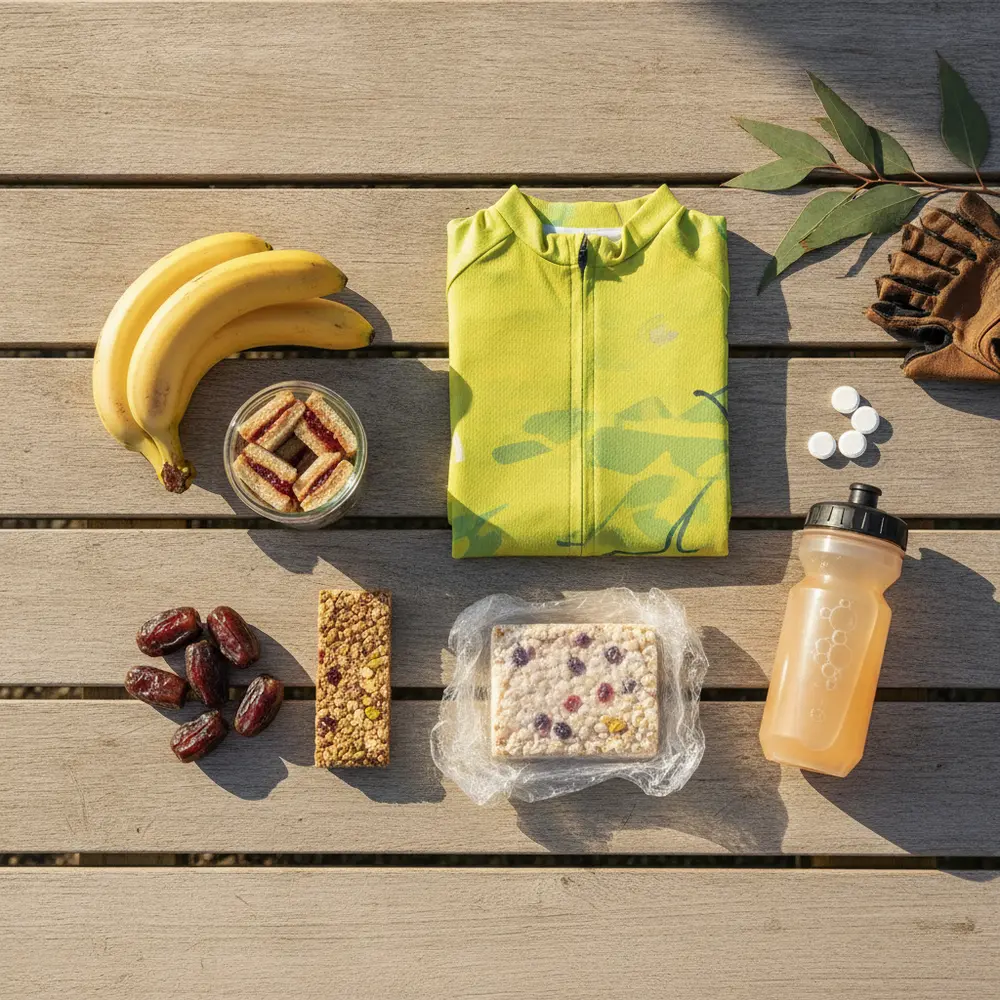
- Bananas. Around 25 to 30g of carbs each, come in their own wrapper, easy to eat on the move. A classic for good reason.
- Medjool dates. Dense in carbohydrates, naturally sweet, and small enough to pop in one bite. Usually stocked in the fresh produce section.
- Muesli bars. Carb content varies widely, so check the label. Aim for bars with 25g or more of carbs and not too much fat or fibre, which can slow digestion mid-ride.
- Fruit pouches. The kind sold for kids in the snack aisle. Easy to squeeze, no mess, and typically around 10 to 15g of carbs per pouch. Good for topping up between bigger snacks.
- White bread with jam. Old school and underrated. Cut into small squares, wrap tightly in cling film. High GI, fast-absorbing, and your stomach will thank you compared to something richer.
- Dried mango or banana chips. Lightweight and carb-dense. Just watch that they do not get crushed to dust in your back pocket.
You can browse affordable snack options at Woolworths if you want to compare what is on the shelf before your next shop.
Servo Snacks That Do the Job in a Pinch
Every long Aussie ride seems to pass a servo at some point, and that is not a bad thing. A 7-Eleven or BP stop is a legitimate fuelling strategy, not a sign of failure. Here is what to grab and what to skip.
- Grab: Banana (most servos stock them), muesli bar, small bag of jelly lollies, Up&Go or similar, white bread roll with a simple filling.
- Skip: Pies, sausage rolls, and anything heavy in fat or protein. These take time to digest and will sit in your stomach like a brick while you are trying to hold a wheel.
- Bonus: Most servos sell electrolyte drinks. If it is a hot day and you are well past the two-hour mark, this is worth grabbing alongside your food.
Homemade Ride Snacks Worth Making the Night Before
Making your own ride food sounds fiddly but it really is not. A bit of prep on Saturday night and you roll out on Sunday with proper fuel that costs a fraction of commercial products. The key is keeping it simple, wrapping everything tightly, and knowing it will survive a couple of hours in a warm jersey pocket.
Rice Cakes, Date Balls, and Other Classics That Travel Well
These are the homemade options you will find in the pockets of riders who have been doing long weekend rides for years. None of them require chef-level skills or specialist ingredients.
- Savoury rice cakes. Cook up a batch of short-grain white rice, press it flat, spread with Vegemite or a thin layer of peanut butter and honey, fold and wrap in cling film. Compact, carb-dense, and surprisingly easy to eat one-handed. For more inspiration on homemade cycling snacks that actually work, VeloNut has a solid collection.
- Date and oat balls. Blitz Medjool dates with rolled oats and a pinch of salt. Roll into balls and refrigerate overnight. No baking needed, and they hold their shape well even in summer.
- Jam sandwich squares. White bread, jam, cling film. That is it. Do not overthink it.
- Banana bread slices. If you have some at home, wrap a slice tightly. It counts. More on the café stop version below.
A practical note on summer riding: chocolate-coated anything will melt into a mess by the time you need it. Avoid high-fat fillings and go for simpler, drier options when temperatures are up.
The Cafe Stop - Does It Actually Count as Fuelling?
The mid-ride café stop is a genuine part of Australian cycling culture, and there is no shame in it. A flat white and a slice of banana bread at the turnaround point? That is carbohydrates, caffeine, and a chance to reset. It absolutely counts as fuelling.
The main risk is sitting for too long and letting your legs stiffen up, or ordering something too heavy that sits in your gut for the ride home. Keep the stop to around 15 minutes if you can, stick to lighter food options, and make sure you have already been eating and drinking in the first half of the ride before you arrive.
Hydration and Electrolytes - What to Pair With Your Snacks
Food and fluid work as a team. Eating carbohydrates without drinking enough water can slow absorption and cause gut discomfort. On longer rides or in hot Australian conditions, plain water may not be enough either. Electrolytes, particularly sodium, help your body retain fluid and keep things working properly.
As a rough guide, electrolyte replacement becomes genuinely important once you are past two hours, riding in heat, or sweating heavily. For shorter or cooler rides, water is fine. If you want to go deeper on this topic, the AIS on-bike fuelling recommendations cover hydration in detail alongside their carbohydrate guidance.
- Carry at least one bottle per hour of riding in moderate conditions.
- In summer or on hot days, factor in more and plan your route around water refill points or servos.
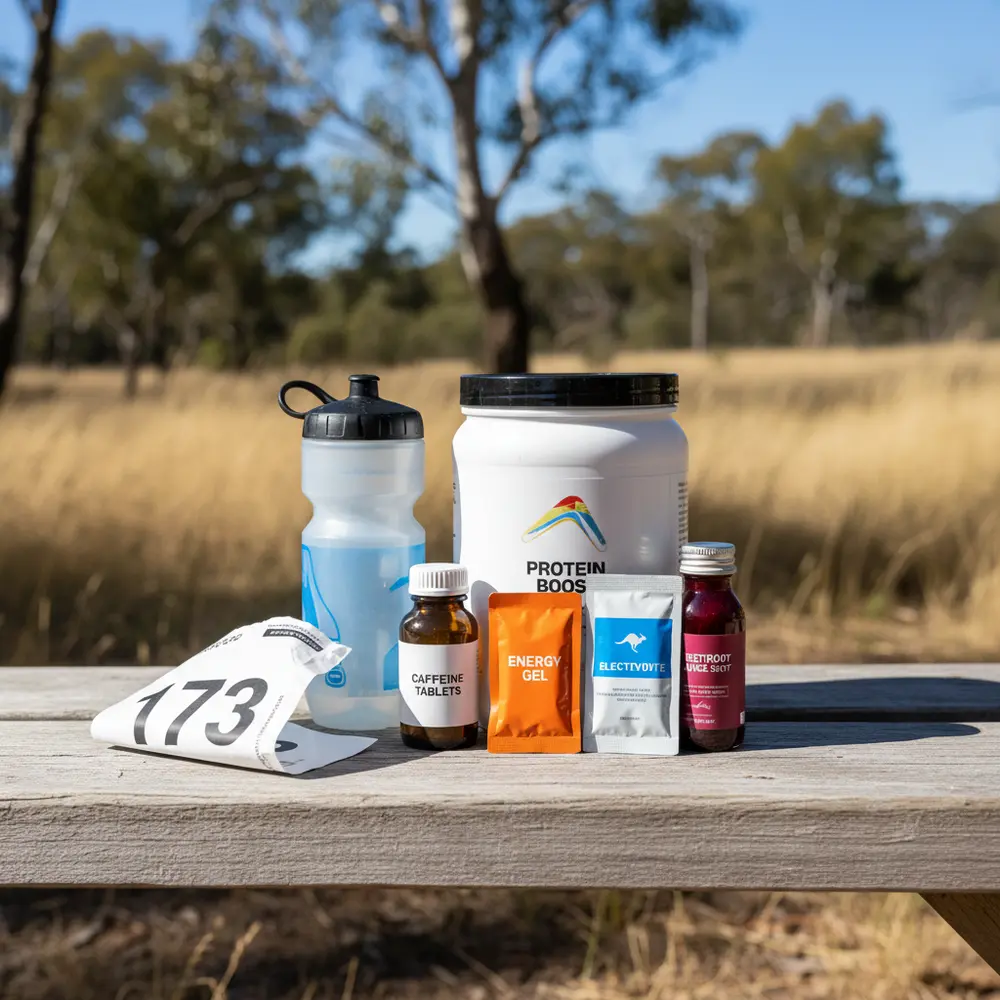
- Electrolyte tabs or powder from your local chemist or supermarket are a cost-effective option.
- Avoid high-sugar sports drinks as your primary hydration source. Use them as a carbohydrate top-up if needed, not a thirst quencher.
Common Fuelling Mistakes and How to Avoid Them
Even experienced riders get this wrong. Here are the most common fuelling errors and what to do instead.
- Waiting until you are hungry. By the time hunger hits, you are already behind. Start eating at 20 to 30 minutes in and keep going at regular intervals.
- Eating too much too soon. A massive muesli bar right out of the gate can cause gut discomfort, especially at higher intensities. Small and regular beats big and rare.
- High-fat snacks mid-ride. Fat slows digestion. Save the pies and nut-heavy bars for recovery, not for fuelling on the bike.
- Ignoring the heat. Australian summer conditions change the equation significantly. More sweat means more fluid and electrolyte loss, which affects how you absorb carbohydrates too.
- Testing new food on a big ride. Always trial new snacks in training. Individual gut tolerance varies and some foods that work fine at rest cause real problems at intensity.
- Skipping food on "easy" rides. Even easy long rides deplete glycogen over time. The pace feels comfortable right up until it does not.
If You Are New to On-Bike Fuelling
Start simple and build the habit before worrying about optimising it.
- Begin with one banana or one muesli bar per hour of riding.
- Set a timer on your bike computer or watch to remind you to eat every 20 to 30 minutes.
- Stick to foods your gut already knows, nothing exotic mid-ride.
- Practise opening packaging while riding in a safe spot before relying on it in traffic or a group.
- Focus on consistent small intake rather than trying to dial in exact carbohydrate grams from day one.
If You Have Fuelled on Long Rides Before
You are ready to get a bit more deliberate about what and when.
- Start tracking approximate carbohydrate grams per hour against how you feel at the end of rides.
- Experiment with mixing carbohydrate types (for example, a glucose-based gel paired with a fructose source like fruit) to see if absorption improves on longer efforts.
- Try a homemade option on your next training ride and compare it to your usual commercial product.
- Pay attention to gut comfort at different intensities and note which foods cause issues above a certain effort level.
- Consider a consultation with an accredited sports dietitian if you are preparing for an event or finding that fuelling is a recurring issue.
Quick-Reference Snack Guide for Your Next Long Ride
Use this as a pre-ride checklist and a rough on-bike eating schedule.
Before you leave:
- Eat a solid carbohydrate-based meal two to three hours before riding (oats, toast, rice).
- Pack enough snacks for the full ride duration plus one extra, in case the ride runs long.
- Wrap everything tightly. In summer, avoid chocolate coatings or anything that melts.
- Fill your bottles and, if it is going to be hot or over two hours, add electrolytes.
On the bike:
- Start eating at 20 to 30 minutes in, regardless of hunger.
- Eat a small snack every 20 to 30 minutes after that.
- Sip from your bottle regularly, not just when thirsty.
- At the café stop, choose lighter food and keep the stop short.
- In the final 20 minutes, no need to eat more unless the ride is extending.
Approximate carb counts for common snacks:
| Snack | Approx Carbs | Pros | Watch Out For |
|---|---|---|---|
| Banana (medium) | 25 to 30g | Easy to eat, widely available | Bruises in pocket |
| Medjool date (2 to 3) | 20 to 25g | Dense, bite-sized | Sticky in warm weather |
| Muesli bar (check label) | 20 to 35g | Familiar, convenient | High fibre can upset gut |
| Fruit pouch (kids size) | 10 to 15g | No mess, easy to squeeze | Low carb density |
| Jam sandwich (2 squares) | 25 to 30g | Cheap, high GI | Goes stale if not wrapped well |
| Rice cake (homemade) | 25 to 35g | Customisable, cost-effective | Prep time required |
| Date and oat ball (2) | 20 to 30g | Easy to make, holds shape | Calorie-dense |
| Jelly lollies (small bag) | 30 to 40g | Fast-absorbing, light | No nutritional value beyond carbs |
For more on how carbohydrates and endurance sport work together, the Nutrition Foundation of Australia has a clear and practical breakdown worth bookmarking.
Frequently Asked Questions
Should I eat if my ride is only 90 minutes?
If you are riding at a moderate pace for 90 minutes, you can often get away without eating during the ride, especially if you had a solid meal beforehand. But if the pace is solid or you are pushing hard, it is worth having something available just in case. A banana in the pocket costs nothing and gives you a safety net.
Are commercial gels better than real food for long rides?
Not necessarily, especially for rides under three hours at moderate intensity. Research covered by ABC Health suggests real food can be just as effective as gels for many cyclists, with individual gut tolerance being the key variable. Gels are convenient, but they are not magic. Use what your stomach handles well at the intensity you are riding.
What is bonking and how do I avoid it?
Bonking, or hitting the wall, is what happens when your glycogen stores run out. You feel weak, your power drops dramatically, and your legs just refuse to cooperate. The fix is simple: start eating early, eat regularly, and do not wait until you feel terrible. Prevention is far easier than recovery once it hits.
Do I need electrolytes or is water enough?
For rides under two hours in cool conditions, water is generally enough for most riders. Once you are beyond two hours, riding in heat, or sweating heavily, electrolyte replacement becomes more important. Sodium is the main one to think about. Electrolyte tabs from your local chemist are an affordable and easy option to add to your bottles.
How do I know if a snack will upset my stomach mid-ride?
Test it in training before relying on it in a big event or a long group ride. Some foods that feel fine at easy intensity cause real gut trouble at higher efforts. High-fat, high-fibre, and very spicy foods are common culprits. If you are having recurring issues, talking to an accredited sports dietitian is worth it. You can find out more about how to get support on our contact page.
Wrapping Up
On-bike nutrition does not need to be complicated. The basics work, and the basics are cheap and available at every Woolworths and Coles in the country. Here is the short version to take with you.
- Start eating early, around 20 to 30 minutes in, and keep eating small amounts every 20 to 30 minutes after that.
- Aim for 30 to 60 grams of carbohydrates per hour for rides over 90 minutes.
- Real food works just as well as commercial products for most weekend rides, so start there.
- Hydration and food are a team. Do not focus on one and ignore the other, especially in Australian heat.
- Test everything in training first. Your gut has its own opinion and it will share it at the worst possible moment if you ignore it.
If you are thinking about your broader approach to cycling nutrition, we have more practical guides on the blog covering everything from pre-ride meals to recovery eating. And if you have questions about what works for your specific riding style or goals, feel free to get in touch and we will point you in the right direction.
This is educational content, not financial advice.