Most beginner cyclists don't have a fitness problem on their first long ride. They have a fuelling problem. Getting your cycling nutrition right is one of the fastest ways to feel better on the bike, recover quicker, and actually enjoy the sport.
By the end of this article, you'll know exactly what to eat before, during, and after a ride, why bonking happens and how to avoid it, and how to stay on top of hydration in the Australian heat. No complicated plans, just practical habits you can use this weekend.
Note for Australian riders:
- Australian summer heat and humidity increase your sweat rate significantly compared to cooler climates. Your hydration needs are higher than most overseas cycling content assumes.
- Everyday supermarket foods like bananas, Vegemite sandwiches, and rice cakes are legitimate on-bike fuel. You do not need an expensive supplement cupboard to ride well.
- Sports Dietitians Australia is the local peak body for evidence-based sports nutrition. Their guidance is worth bookmarking alongside this article.
At a glance:
- Eat a carbohydrate-based meal 2 to 3 hours before riding, or a light snack 30 to 60 minutes out if time is tight.
- Start fuelling on the bike within the first 45 to 60 minutes on rides over 90 minutes. Do not wait until you feel hungry.
- Hydrate before, during, and after every ride. In Australian summer conditions, electrolytes matter, not just water.
- Eat a recovery meal or snack containing carbohydrates and protein within 30 to 60 minutes of finishing.
- Practice your nutrition on training rides before relying on gels or bars in a group ride or event.
Key takeaways:
- Bonking is preventable. It happens when glycogen runs out and you haven't fuelled on the bike.
- Plain water alone is not enough for longer rides in heat. Electrolytes replace what sweat takes.
- Whole foods work just as well as commercial sports products for most recreational rides.
Why Nutrition Can Make or Break Your Ride
Your body runs on carbohydrates during moderate to high intensity cycling. Those carbohydrates are stored as glycogen in your muscles and liver, and the supply is finite. According to the AIS carbohydrate guidelines for athletes, glycogen stores can deplete within 60 to 90 minutes of moderate-high intensity exercise. When they run out, you hit the wall. Hard.
For beginners, this often comes as a shock. You feel fine, then suddenly your legs stop working, your head goes foggy, and the last few kilometres feel impossible. The good news is that this is almost entirely preventable with a bit of planning.
Getting nutrition right doesn't mean weighing every meal or buying expensive products. It means understanding a few simple principles and applying them consistently before, during, and after your rides.
Mistake 1 - Not Eating Enough Before You Ride
Heading out on an empty stomach is one of the most common errors beginners make, especially on early morning weekend rides. Skipping breakfast before a morning ride is among the most frequent nutrition mistakes local cyclists make, according to Bicycling Australia's nutrition tips for riders. Your glycogen stores are already partially depleted after a night's sleep, so starting a ride without eating puts you behind from the first pedal stroke.
What to Eat Before a Ride and When
The goal is to top up your glycogen without sitting on the bike with a full stomach. Timing and food choice both matter here.
| Time Before Ride | What to Eat | Why It Works |
|---|---|---|
| 2 to 3 hours out | Porridge with banana, toast with eggs, or a bowl of pasta | Gives time to digest. Steady energy without gut discomfort. |
| 60 to 90 minutes out | Banana, white toast with honey, or a small bowl of cereal | Easy to digest. Quick carbohydrates without heaviness. |
| 30 minutes out | A banana, a small muesli bar, or a piece of white bread | A top-up only. Keep it small and simple. |
| Less than 30 minutes | Skip food if possible, or have a few bites of something easy | Avoid the insulin spike that can drop blood sugar early in the ride. |
The cycling nutrition guide from bicycles.net.au suggests aiming for a meal 2 to 3 hours before riding where possible, particularly for rides over 90 minutes. If you're doing a short, easy spin under an hour, a light snack or nothing at all is fine.
Practical pre-ride food options that are easy to find at any Australian supermarket:
- Rolled oats or porridge with banana and honey
- White or wholegrain toast with Vegemite, peanut butter, or honey
- Eggs on toast for longer rides when you have time to digest
- Bananas on their own as a quick option close to ride time
Mistake 2 - Skipping Fuel During the Ride
This is the one that catches most beginners out. You feel okay for the first hour, you're not hungry, so you don't eat. Then somewhere around the 90-minute mark, everything falls apart. That's the bonk, and it's a brutal way to learn about glycogen depletion.
The 60-Minute Rule and Why Bonking Is Real
The bonk, or "hitting the wall", is what happens when your glycogen stores run dry and your body can't keep up with the energy demand. It's not weakness. It's basic physiology. Carbohydrate intake during exercise lasting more than 60 minutes is well-supported by peer-reviewed sports nutrition research as a way to maintain blood glucose and delay fatigue.
The key rule: start eating on the bike before you feel hungry. Hunger is a late signal. By the time you feel it, you're already behind. For rides over 90 minutes, aim to take in some carbohydrates every 20 to 30 minutes from around the 45-minute mark.
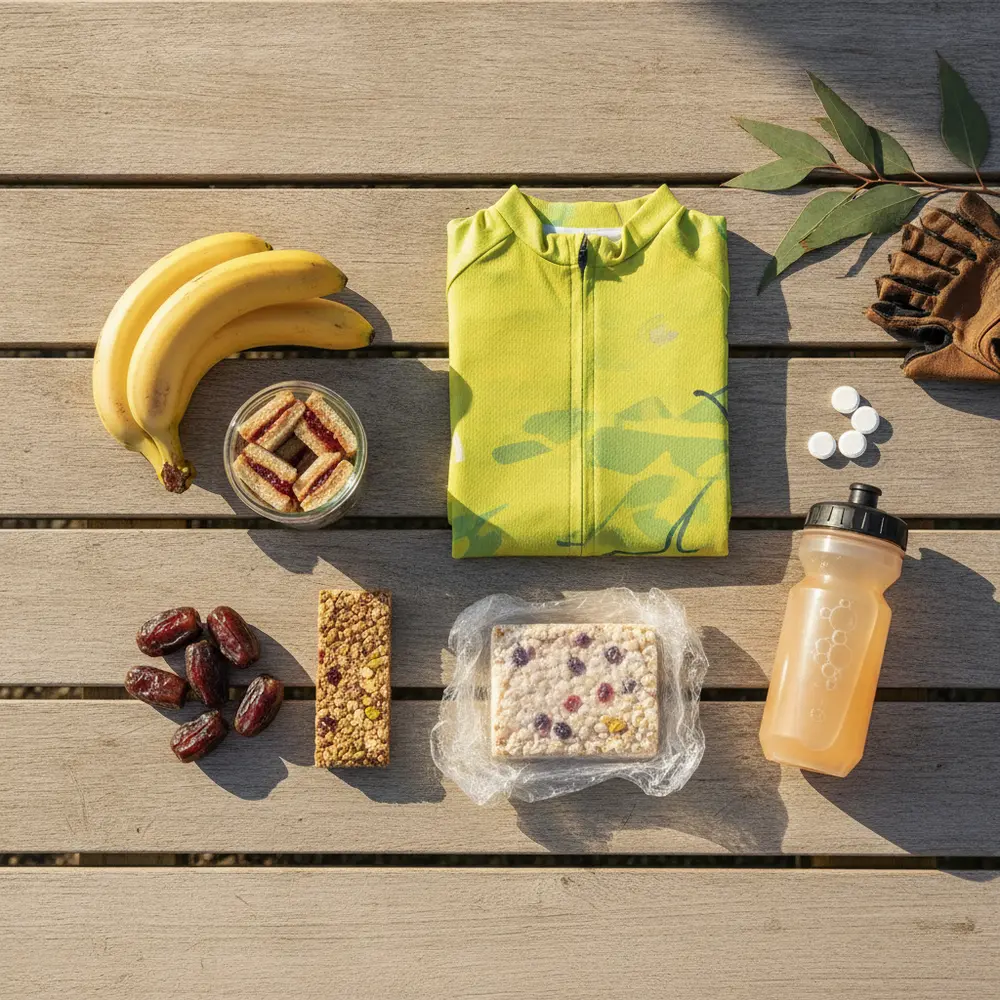
You do not need gels to do this. Solid foods work well for most recreational riders on long rides, especially when your gut is used to them. Good options to carry in your jersey pocket:
- Bananas, cut in half for easy eating
- Homemade rice cakes or date balls
- Vegemite or honey sandwiches on white bread, cut into small squares
- Supermarket muesli bars or Anzac biscuits
- Medjool dates, which are sweet, compact, and easy to eat while riding
If you're looking to understand how to pace your fuelling across different ride types, our guide on building your cycling base covers how ride intensity affects your energy needs as well.
Mistake 3 - Underestimating Hydration and Electrolytes
Water is essential. But water alone isn't always enough, especially on rides over 90 minutes or in hot conditions. When you sweat, you lose sodium, potassium, magnesium, and other electrolytes alongside fluid. Replacing fluid without replacing electrolytes can leave you cramping, foggy, or still feeling dehydrated despite drinking consistently.
The Better Health Channel's sport and nutrition guidance notes that dehydration of as little as 1 to 2 percent of body weight can meaningfully impair performance. On a hot day, that threshold comes sooner than most people expect.
How Australian Heat and Humidity Change the Game
If you're riding in Sydney in January or across the Adelaide Hills in February, your sweat rate will be significantly higher than a rider doing the same route in mild European spring weather. Most overseas cycling content underestimates how much fluid and electrolyte replacement Australian riders need in summer.
Some practical hydration targets to work with:
- Drink roughly 500ml to 750ml of fluid per hour in mild conditions
- In summer heat, that can climb to 750ml to 1 litre per hour or more depending on your sweat rate
- Add electrolytes for any ride over 60 to 90 minutes in warm conditions. This can be a commercial electrolyte tab, a pinch of salt in your bottle, or salty food on the bike
- Start your ride already hydrated. Don't use your first bottle trying to catch up
- If you finish a ride and your kit has white salt stains, you're a heavy salt sweater and need to take electrolytes seriously
Commercial electrolyte products are convenient but not mandatory. Salty food and water can do the job for most recreational rides. The Sports Dietitians Australia cycling nutrition fact sheet confirms that hydration needs vary significantly with temperature, humidity, and individual sweat rate, so there is no single number that works for everyone.
Mistake 4 - Relying on Gels and Bars Without Practicing First
Walk into any bike shop and you'll see rows of gels, chews, and bars. They're marketed hard at cyclists of all levels, including beginners who are doing their first 50km ride. The problem is that concentrated sports nutrition products can cause gastrointestinal distress if your gut isn't used to processing them during exercise, particularly at intensity.
This is a well-documented issue. As the ABC's reporting on sports nutrition myths debunked by Australian dietitians highlights, whole foods are a valid alternative to commercial sports nutrition for most amateur athletes. You do not need gels. They are a convenience, not a requirement.
If you do want to use gels or bars, here's the sensible approach:
- Try them on easy training rides first, not in your first group ride or event
- Always take gels with water, not on their own
- Start with half a gel to see how your stomach responds
- Stick with real food for rides under 90 minutes until you know your gut handles products well
Gut training is a real concept. It takes time for your digestive system to adapt to processing concentrated carbohydrates while your body is working hard. Give it that time before you depend on gels when it matters.
Mistake 5 - Not Recovering Properly After the Ride
A lot of beginners finish a ride, have a shower, and then go about their day without eating properly for another hour or two. That's a missed opportunity. The period immediately after a ride is when your muscles are primed to absorb nutrients and start the repair and adaptation process.
The Post-Ride Eating Window Explained
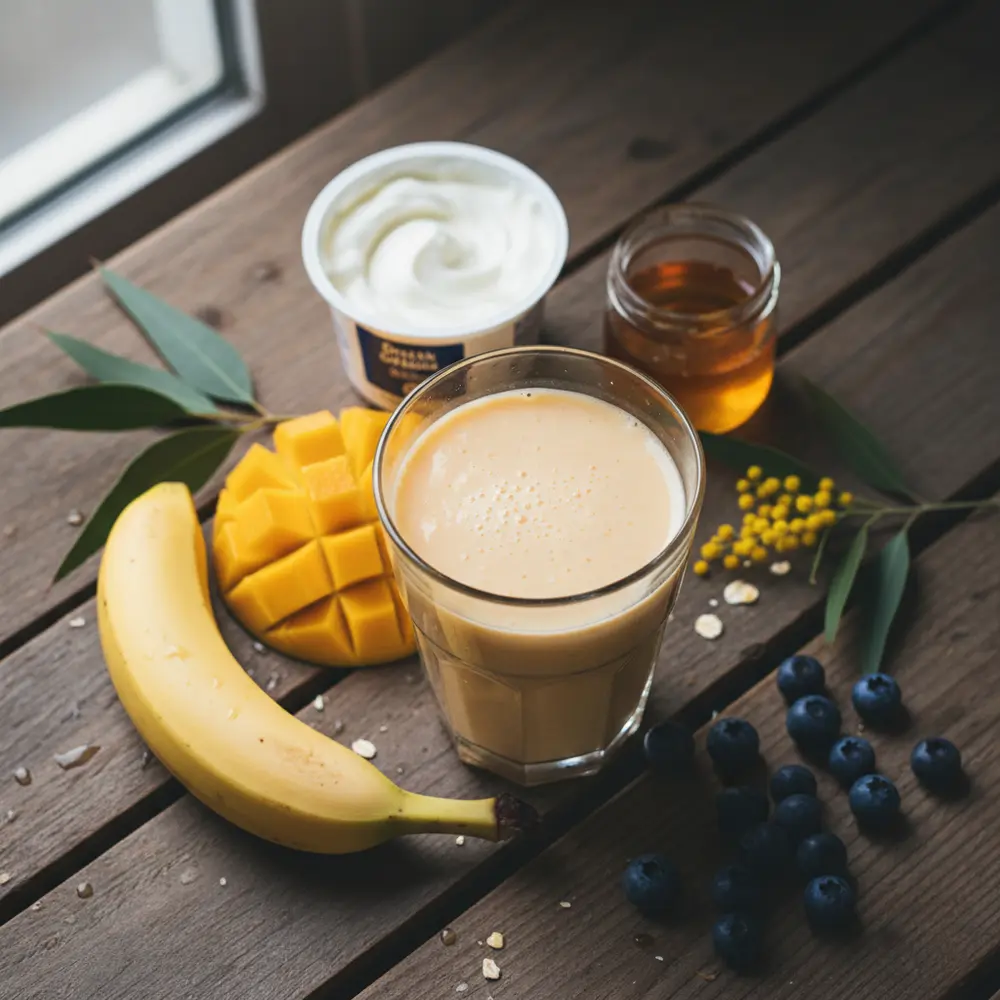
Aim to eat something containing both carbohydrates and protein within 30 to 60 minutes of finishing your ride. This doesn't need to be a complicated recovery shake. A glass of chocolate milk, eggs on toast, Greek yoghurt with fruit, or a chicken sandwich all do the job. The Sports Dietitians Australia cycling nutrition guide recommends including both macronutrients in recovery nutrition to support glycogen replenishment and muscle repair.
The key points on post-ride nutrition:
- Aim for a carbohydrate and protein combination within 30 to 60 minutes of finishing
- Don't skip this window if you're riding regularly. It compounds over time
- You don't need a specialist recovery product. Everyday food works well
- Rehydrate as part of your recovery. Weigh yourself before and after if you want to track fluid loss
If you're thinking about structuring your training week properly, our beginner cycling training plans include guidance on how to align your nutrition with your weekly ride schedule.
Simple Cycling Nutrition Rules to Ride By
If the detail above feels like a lot, come back to these core principles. They cover the majority of situations you'll encounter as a beginner.
- Always eat something before a ride over 60 minutes. Even a banana is better than nothing.
- Don't wait to feel hungry on the bike. Start fuelling before the 60-minute mark on longer rides.
- Drink consistently throughout the ride, not in big gulps when you remember.
- Add electrolytes on hot days or rides over 90 minutes.
- Eat a recovery meal or snack with carbohydrates and protein within an hour of finishing.
- Practice everything in training before relying on it in a group ride or event.
For more on how cycling fits into a healthy active lifestyle for Australians, the Australian Government physical activity guidelines provide useful context on recommended weekly activity levels and how nutrition needs scale with exercise volume.
Quick-Reference Ride Day Nutrition Checklist
Use this checklist before every ride until good fuelling habits become second nature. Screenshot it, print it, or keep it on your phone.
Before the ride:
- Eaten a carbohydrate-based meal 2 to 3 hours out, or a light snack 30 to 60 minutes out
- Drank at least 500ml of water on waking
- Water bottles filled and ready, with electrolytes added for hot days or long rides
- On-bike food packed for any ride over 60 to 90 minutes
During the ride:
- Sipping fluid regularly, not waiting until thirsty
- Taking in some carbohydrate every 20 to 30 minutes from the 45-minute mark on longer rides
- Using electrolyte tabs or salty food in summer conditions or if sweating heavily
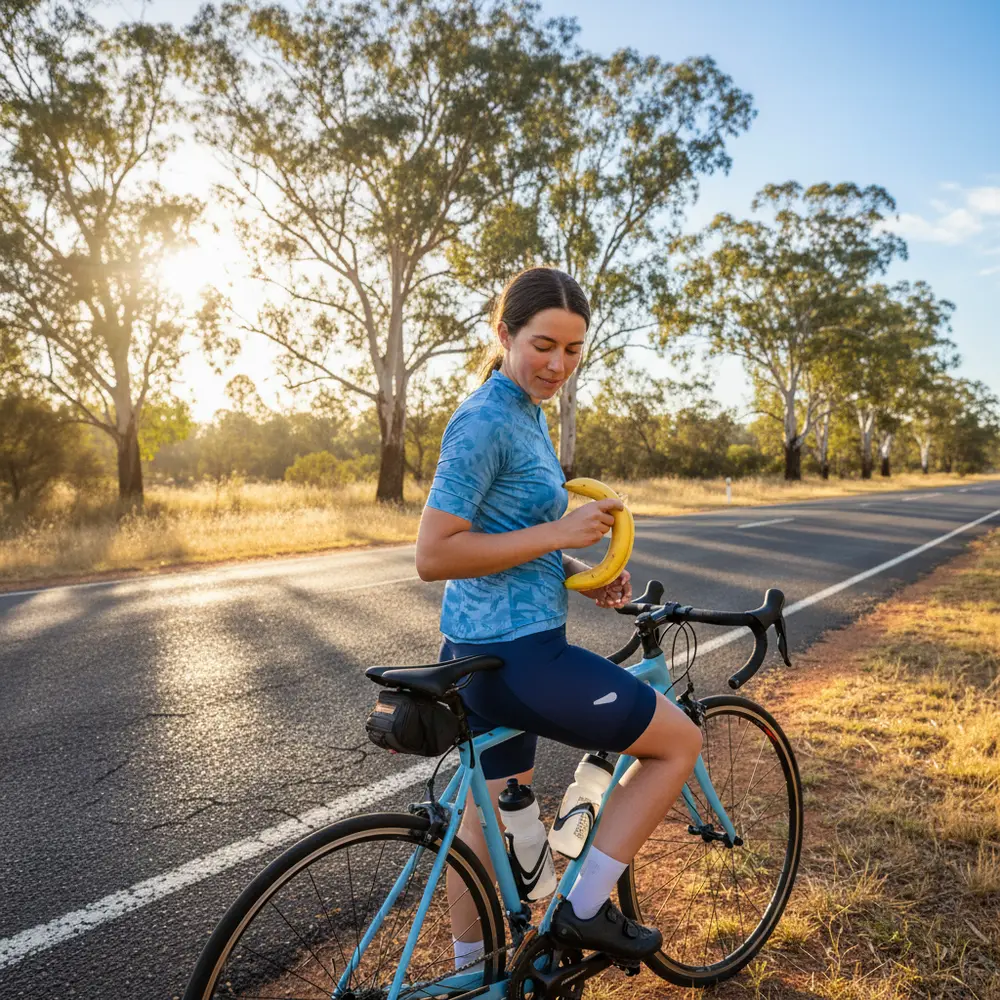
- Carrying a backup snack such as a banana or muesli bar regardless of ride length
After the ride:
- Eating a recovery snack or meal with carbohydrates and protein within 30 to 60 minutes
- Rehydrating steadily over the following hour or two
- Not skipping food to "save the calories". Your body needs fuel to adapt and improve
If you have questions about nutrition and how it fits into your riding goals, our team is happy to help. Get in touch with us at Segment Club and we'll point you in the right direction.
If You Are New to Cycling Nutrition
Start here. Keep it simple and build good habits before worrying about optimisation.
- Focus on the three phases: before, during, and after. Get each one sorted before layering in more detail.
- Eat real food first. Gels and bars can come later once you know your gut handles them well.
- Carry more food than you think you'll need on longer rides until you have a feel for your own energy demands.
- Don't skip breakfast before morning rides. Even something small is better than nothing.
- Track how you feel after different meals and snacks. Your own body data is the most useful guide you have.
If You Have Ridden for a While but Struggled With Nutrition
If you've been riding consistently but still hitting the wall or feeling flat, these are the areas worth revisiting.
- Check your pre-ride meal timing. Eating too close to ride time or not at all are both common causes of mid-ride fades.
- Audit your on-bike fuelling. Are you actually eating, or just drinking and hoping for the best?
- Review your electrolyte intake on hot rides. Cramping or persistent fatigue after longer rides in summer is often a sodium issue, not a fitness issue.
- Look at your recovery habits. If you're riding multiple days per week and not eating properly after each session, your overall energy levels will be compromised.
- Consider speaking to an accredited sports dietitian if you're riding regularly and still struggling. Our nutrition resources at Segment Club can help you find the right direction.
Frequently Asked Questions
What should I eat before a morning ride if I don't have much time?
A banana, a piece of toast with honey, or a small bowl of cereal are all solid options. Something is always better than nothing. If you genuinely have no time, keep a banana next to your kit the night before so it's ready to grab.
How do I avoid bonking on a long ride?
Start eating before you feel hungry. From around the 45-minute mark on rides over 90 minutes, take in some carbohydrate every 20 to 30 minutes. Real food like bananas, homemade rice cakes, or muesli bars all work well. The key is consistency, not quantity.
Do I need electrolytes on every ride?
Not on every ride. For short, easy efforts under 60 minutes in mild conditions, water is generally fine. For rides over 90 minutes, hot weather, or if you're a heavy sweater, adding electrolytes makes a real difference. Salt stains on your kit after a ride are a good indicator that you're losing significant sodium.
Are gels and sports bars worth using as a beginner?
They're convenient but not essential, especially for rides under two hours. Whole foods do the same job for most recreational riders. If you want to use gels, try them on easy training rides first to check your gut tolerates them well before using them in a group ride or event.
When should I eat after a ride?
Aim to eat something within 30 to 60 minutes of finishing. A mix of carbohydrates and protein works best, so something like eggs on toast, Greek yoghurt with fruit, or a chicken sandwich all fit the bill. You don't need a recovery shake unless you find it genuinely convenient.
Summary
- Eat before your ride. Even a small snack makes a measurable difference to how you feel and perform.
- Fuel on the bike for rides over 90 minutes. Start early and don't wait for hunger to tell you.
- Hydrate consistently and add electrolytes in Australian heat or on longer efforts.
- Practice your nutrition strategy in training before depending on it when it matters.
- Recover properly. A carbohydrate and protein meal within 30 to 60 minutes of finishing sets you up for your next ride.
This is educational content, not financial advice.