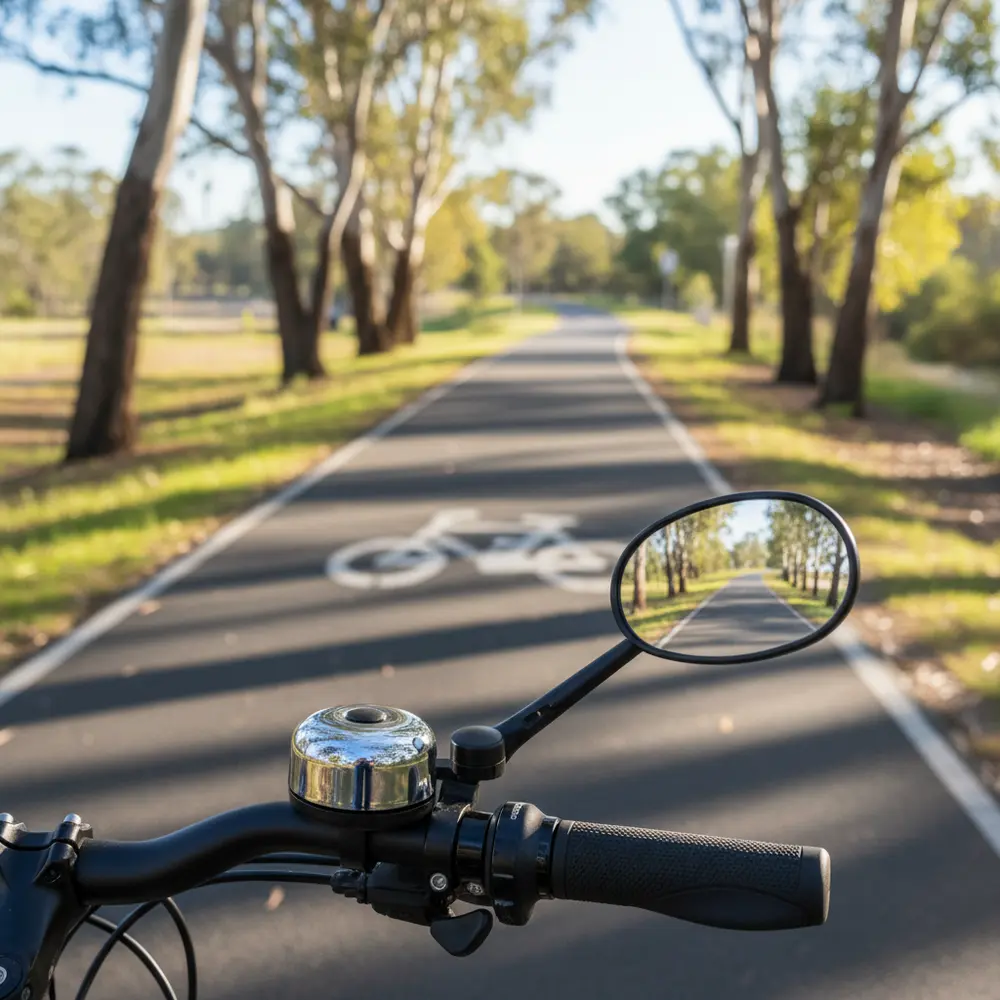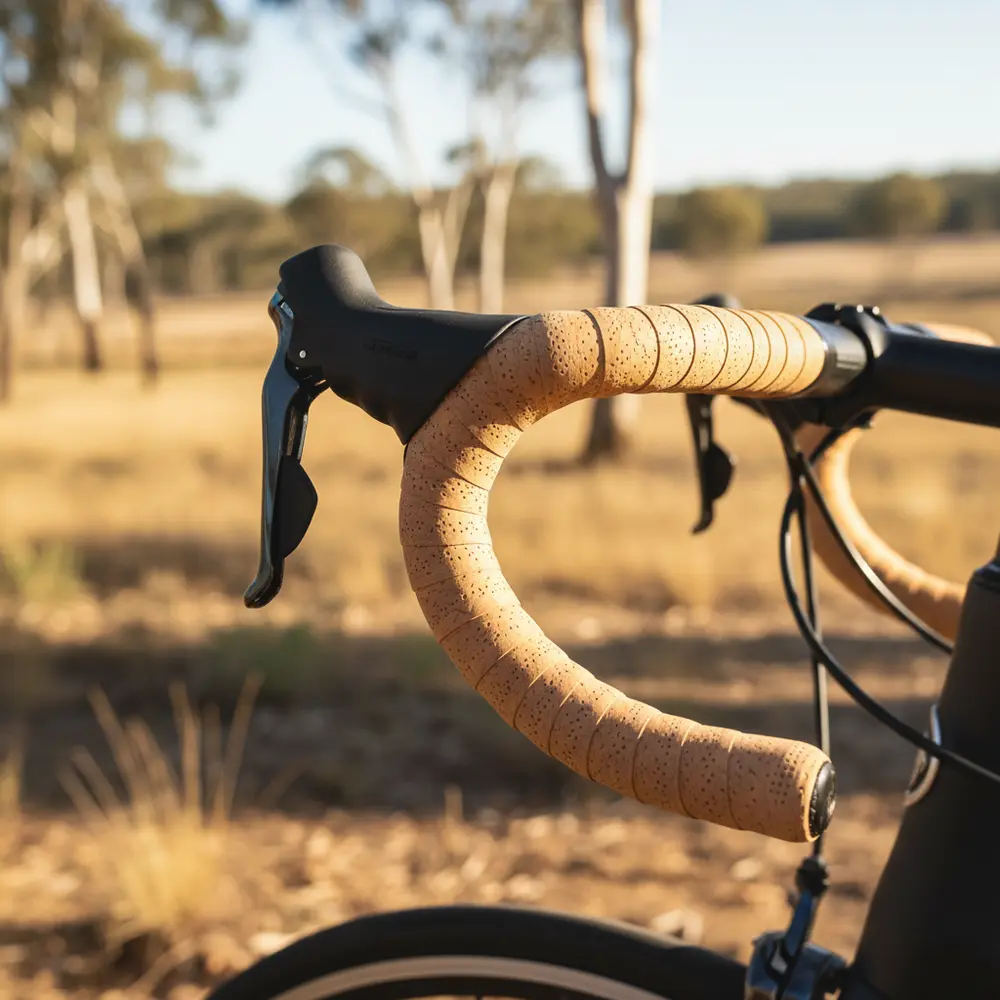
Australian summer riding is not kind to your contact points. Intense UV, 35-plus degree days, and salty sweat will destroy cheap handlebar tape and worn-out grips faster than you might expect.
By the end of this guide you will know which materials actually hold up in our conditions, how to apply tape properly, and when to pull off the old stuff and start fresh.
Note for Australia:
- UV intensity in Australia accelerates adhesive breakdown and colour fading on handlebar tape faster than in most other countries.
- Coastal riders in Sydney, Brisbane and Perth deal with humidity on top of heat, which speeds up grip degradation even further.
- Inland and regional riders face dry heat and rough chip-seal roads, where thicker tape and tougher grip compounds earn their keep.
At a glance:
- Drop bar bikes need handlebar tape. Flat bar bikes need grips. They are not interchangeable.
- For Australian heat, look for silicone-treated or cork tape on road bikes, and dual lock-on grips on flat bar bikes.
- Tape should be replaced at least once a season, or every 3 to 6 months if you ride regularly through summer.
- A basic tape wrap takes around 20 minutes and the kit usually costs less than a café stop.
Key takeaways:
- Material and surface texture matter more than brand name or price tag.
- Lock-on grips outperform slip-on grips in heat and under sustained hand pressure.
- Cheap unbranded tape often lacks the adhesive quality needed to survive an Australian summer.
Why Australian Heat Makes Handlebar Tape and Grips a Real Problem
Most handlebar tape and grip products are designed for European or North American conditions. That means cooler temperatures, less UV, and shorter riding seasons. Australia throws all of that out the window.
The combination of high UV, summer heat, and sweat creates a tough environment for any material bonded to metal bars. You might not notice the damage until your tape starts unravelling mid-ride or your grips begin rotating under load.
What Heat, UV and Sweat Actually Do to Tape and Grips
Heat softens adhesives. The backing on most handlebar tape uses a pressure-sensitive adhesive that can lose its bond when temperatures climb, particularly on dark-coloured bars sitting in direct sun. Once the adhesive lets go, the tape starts to lift and shift.
UV exposure does different things to different materials. Cork and foam degrade faster under prolonged UV than silicone-based options. Coloured tapes, especially lighter shades, tend to fade noticeably after one Australian summer. On MTB grips, UV can cause rubber compounds to harden and crack over time.
Sweat is the third factor. Salt and moisture break down grip surfaces and can work their way under tape, speeding up adhesive failure. As noted in Bicycling Australia's handlebar tape guide, riders in humid coastal areas often need to replace tape more frequently than those riding in drier inland regions.
Handlebar Tape vs Grips - Which One Do You Need?
If you are new to cycling, this distinction matters. The type of bars on your bike determines what you need.
| Bar Type | What You Need | Common Bikes |
|---|---|---|
| Drop bars | Handlebar tape | Road, gravel, touring |
| Flat bars | Grips | MTB, hybrid, commuter |
| Riser bars | Grips | MTB, urban, casual |
Road and Gravel Bikes - Drop Bar Handlebar Tape Explained
Drop bar tape wraps around the full length of the bars, including around the brake lever hoods. It provides cushioning, vibration absorption, and grip. A standard tape kit includes two rolls, finishing tape, and bar end plugs. Most kits cover a standard-width road bar comfortably, though wider gravel bars may need a bit more length.
Thickness ranges from around 1.5mm up to 3.5mm. Thinner tape gives more bar feel and a cleaner look. Thicker tape, particularly anything above 2.5mm, offers noticeably more comfort on rough chip-seal roads that are common across regional Australia. For beginners, something in the middle is usually the right call.
Mountain Bikes and Hybrids - Flat Bar Grips and Lock-On Options
Flat bar grips come in two main designs: slip-on and lock-on. Slip-on grips use friction and sometimes glue to stay in place. Lock-on grips use one or two alloy collars with small bolts that clamp the grip to the bar. For Australian riding conditions, lock-on grips with dual collars are the clear choice.
According to testing covered by Bicycles.net.au's MTB grip review, dual lock-on collar designs significantly outperform single-collar options when it comes to rotation resistance. In heat and under sustained grip pressure, slip-on designs simply cannot compete. If your current grips rotate when you push hard or descend, that is a safety issue worth addressing now.
Materials That Hold Up in the Heat - What to Look For
The material of your tape or grips determines how they behave in heat, humidity, and UV. Here is a plain-English breakdown of the main options.
Cork, Foam, Silicone, Polyurethane and Gel - A Plain English Breakdown
Cork tape has been around for decades and remains popular for good reason. It absorbs sweat well, feels natural in the hand, and offers decent comfort. The trade-off is that cork degrades faster under prolonged UV than synthetic options, and it can lose its tackiness in very wet or heavily sweaty conditions. It is a solid choice for cooler morning rides, but not always the most durable option for long Australian summer days.
Foam tape is soft and affordable, but it compresses quickly and tends to tear at the edges. It is generally not the best choice for hot-weather riding. Cheap unbranded foam tape in particular often lacks the adhesive quality needed to survive a full Australian summer, as noted in gear guidance from World Cycling Australia.
Polyurethane (PU) tape is more durable than cork or foam, easy to wipe clean, and holds its shape well. The downside is that PU can feel slippery when wet or heavily sweaty. Some PU tapes include a silicone-based surface treatment to improve grip in these conditions, which helps significantly.
Silicone tape and silicone-compound grips offer the best overall heat resistance of the common consumer options. Silicone does not harden or crack under UV the way rubber does, and it maintains its tackiness even when wet. It tends to cost more, but for riders doing regular summer training, it is often worth it.
Gel-padded tape adds a layer of cushioning material beneath the outer tape surface. According to Cycling News's handlebar tape comparison, gel tape adds meaningful vibration dampening on rougher road surfaces. For beginners riding on anything other than smooth tarmac, the comfort difference is real.
- Cork: Good sweat absorption, moderate durability, degrades faster under UV.
- Foam: Soft and cheap, not suited to sustained heat or heavy use.
- Polyurethane: Durable and easy to clean, can get slippery without a silicone surface treatment.
- Silicone: Best heat resistance, maintains grip when wet, higher price point.
- Gel-padded: Best for comfort on rough roads, adds slight thickness to bar diameter.
Top Picks for Australian Conditions - What Actually Works
Rather than naming specific products, here is what to look for when shopping. These principles apply whether you are browsing at your local bike shop or checking an Australian online retailer like Pushys.
- For road and gravel tape: look for silicone surface treatment or a cork-synthetic blend. Avoid plain foam tape if you ride regularly in summer.
- For MTB and hybrid grips: dual lock-on collars, medium-soft rubber compound, and a textured surface pattern (waffle or diamond texture grips better than smooth when hands are sweaty).
- Thickness for tape: 2.0mm to 2.5mm is a good all-round choice. Go thicker for rough roads, thinner if you want more bar feel.
- Colour choice: darker colours (black, navy, dark grey) hold up better under UV than lighter options. White and bright colours fade faster and show dirt more quickly.
- Prioritise grip and comfort over aesthetics. A clean-looking tape wrap that slides around is worse than a slightly scuffed wrap that stays put.
Visit a specialty bike shop before committing online if you are unsure. Handling a few tape samples in person gives you a much better sense of thickness and texture than a photo can.
How to Apply Handlebar Tape Correctly (Step by Step)
Wrapping your own tape is a satisfying job and easier than it looks. You need the tape kit (which includes finishing tape and plugs), scissors, and a clean pair of hands. Budget about 20 to 30 minutes the first time.
This method covers drop bar tape. For flat bar grip replacement, see the note at the end of this section.
- Remove the old tape. Peel it off starting from the stem end and working toward the bar ends. Remove any old adhesive residue with a clean cloth. Check the bars for any corrosion or sharp edges before re-wrapping.
- Pre-position the brake lever hoods. Fold back the rubber hood on each brake lever to expose the lever clamp. You will wrap around this area and then fold the hood back over the top.
- Start at the bar end. Begin wrapping from the end of the bar, working toward the stem. Overlap each pass by around 30 to 50 percent. More overlap means better coverage but uses tape faster. Less overlap is faster but can leave thin spots.
- Wrap around the brake lever. This is the trickiest part. Use the extra piece of tape often included in the kit to cover the gap at the lever clamp. Keep tension consistent and make sure there are no gaps around the lever area, as this spot takes the most wear.
- Finish near the stem. Cut the tape at an angle for a clean diagonal edge. Secure it firmly with the finishing tape included in the kit. Wrap the finishing tape tightly and make sure the end does not sit on a high-contact area.
- Install bar end plugs. Press the plugs into the open bar ends. This is a safety step, not just cosmetic. Open bar ends can cause serious injury in a crash.
For a more detailed visual walkthrough, Bicycling.com's step-by-step handlebar tape guide covers the technique clearly with images.
For flat bar grip replacement: Slide off the old grips (a flat-head screwdriver and a little compressed air helps). Clean the bars with isopropyl alcohol. Slide on the new lock-on grips and tighten the collar bolts evenly with an Allen key. Do not overtighten. Finger-tight plus a quarter turn is usually enough to stop rotation without cracking the collar.
Common Mistakes
- Starting the wrap at the stem end instead of the bar end, which leads to loose tape unravelling from below.
- Using water-based lubricants to install slip-on grips. They do not fully evaporate and can cause long-term slippage.
- Skipping the bar end plugs. Open bar ends are a real hazard in a fall.
- Over-stretching the tape during the wrap, which causes thin spots and premature tearing.
- Leaving old adhesive residue on the bars before wrapping, which stops the new tape from bonding properly.
- Buying cheap unbranded tape to save a few dollars. It often fails within a season in Australian conditions.
If You Are New to This
- Start with a cork or cork-blend tape in a medium thickness (around 2.0mm to 2.5mm). It is forgiving to apply and feels comfortable.
- Watch a wrap video before you start. Seeing the technique once makes the written steps much clearer.
- Do not rush the brake lever section. Take your time and use the extra tape piece that comes in the kit.
- A pair of good cycling gloves can complement fresh tape by absorbing sweat at the source and reducing wear on the tape surface.
- If the wrap does not look right the first time, unwrap and try again. The tape is reusable until you cut it.
If You Have Done This Before
- Consider moving to a silicone-surface PU tape or a silicone-compound grip for better summer durability.
- Try a thicker tape (2.5mm or above) if you regularly ride chip-seal or gravel. The comfort difference on a long ride is noticeable.
- For MTB, upgrade to dual lock-on collar grips if you are still running single-collar or slip-on designs.
- Pay attention to the brake lever hood area when inspecting old tape. It wears fastest and a gap here is both uncomfortable and a safety concern.
- Darker tape colours hold up better aesthetically under UV if you care about how the bike looks after six months of riding.
How Long Should Tape and Grips Last - And When to Replace Them
There is no single answer, but there are clear signals. For most riders doing regular training in Australian summer conditions, tape replacement every 3 to 6 months is realistic. Riders in humid coastal areas may find themselves at the shorter end of that range.
Grips tend to last longer than tape if they are the right material, but they are not permanent either. UV hardening and compound degradation are real issues after sustained exposure.
Replace your tape or grips when you notice any of these:
- Fraying or tearing at the bar ends or around the brake lever area.
- Loss of tackiness on the grip surface. A slippery grip is a safety issue.
- The tape has started to lift or unravel from the bars.
- Compression spots where the tape has gone flat and thin, usually near the brake hoods.
- Grips that rotate under normal hand pressure.
- After any crash that involved contact with the bars.
You can find more detail on the signs to watch for in our bike maintenance tips section. If you are not sure whether yours are past their best, bring the bike into your local shop and ask. Most mechanics will give you an honest answer in under a minute.
Frequently asked questions
Can I use the same handlebar tape on my gravel bike as my road bike?
Yes, the same tape types work on both. For gravel riding, consider going slightly thicker (2.5mm or above) to handle the extra vibration from unsealed roads. The wrapping technique is identical on both bar types.
How do I stop my grips from rotating in hot weather?
Switch to dual lock-on collar grips if you have not already. Tighten both collar bolts evenly with an Allen key. If you are running slip-on grips, clean the bar with isopropyl alcohol and apply a small amount of grip glue, or replace them with lock-on grips entirely.
Is there a difference between road handlebar tape and gravel handlebar tape?
Mostly it comes down to thickness and material. Gravel riders often prefer thicker tape with more cushioning. Some tapes are marketed as gravel-specific, but the underlying materials are the same categories. Focus on thickness and surface texture rather than the label.
Do cycling gloves reduce wear on handlebar tape?
Yes, meaningfully. Gloves absorb sweat before it reaches the tape surface, which slows adhesive breakdown and keeps the tape cleaner for longer. They also reduce the amount of salt and moisture working under the tape edges. It is a simple way to extend tape life without spending anything extra on tape itself.
Where can I buy quality handlebar tape or grips in Australia?
Your local specialty bike shop is the best first stop. Staff can help you match thickness and material to your riding style. For online shopping, Australian retailers stock a solid range of options. Check out our cycling accessories section for more guidance, or get in touch if you have a specific question about what suits your setup.
Wrapping Up
- Match the product to your bar type: tape for drop bars, grips for flat bars.
- In Australian conditions, silicone-treated or cork-blend tape and dual lock-on grips outperform cheaper alternatives over a full summer.
- Replace tape every 3 to 6 months if you ride regularly, or at the first sign of slippage, fraying, or adhesive failure.
- A correct wrap takes under 30 minutes and makes a real difference to comfort and control on every ride.
- When in doubt, visit a specialty bike shop. The advice is usually free and the fit is always better.
This is educational content, not financial advice.