Getting out on the bike with your kids is one of the best things about family life on two wheels. But before you strap a seat on your bike or hitch up a trailer, there are a few things worth knowing so the whole setup is safe, legal, and actually enjoyable for everyone involved.
By the end of this article you will know which carrier option suits your child and your bike, what modifications your bike may need, and what Australian road rules apply. You will have a pre-ride checklist to run through before every family outing.
Note for Australia:
- Helmet laws apply to child passengers in every Australian state and territory. Helmets must meet Australian Standard AS/NZS 2063.
- Road rules for carrying child passengers vary slightly between states. Always check the rules in your state before riding on public roads.
- Child bike seats sold in Australia should comply with AS/NZS 8600:2014. Check for this marking on the product before you buy.
At a glance:
- Children should be at least 12 months old before riding in a seat or trailer, per Kidsafe Australia guidance.
- Front-mounted seats suit younger and lighter children. Rear-mounted seats handle older and heavier kids.
- Bike trailers carry one or two children and offer a lower centre of gravity, making them a solid option for longer rides.
- Your bike may need rack upgrades, new tyres, or brake adjustments before adding any child carrier.
Key takeaways:
- Match the carrier to your child's age, weight, and your bike's compatibility before you buy.
- Helmets are not optional in Australia. They are the law for child passengers.
- Always do a short test ride without your child first after fitting any new carrier.
Riding With Kids - What to Think About Before You Buy Anything
Family cycling is one of those things that looks simple until you start looking at the details. The carrier type, your child's age and size, your bike's frame and components, the roads or paths you will use, and the local road rules all feed into the decision. Getting this right from the start saves money, frustration, and more importantly keeps your kid safe.
The most important starting point is your child's physical readiness. A very young child does not yet have the neck strength to support a helmet while absorbing the vibrations of a bike ride. Kidsafe Australia recommends children be at least 12 months old before being placed in a bike seat or trailer. Always check with your child's GP if you are unsure, particularly for children who were premature or have any developmental concerns.
Age and Weight Limits - Matching Your Child to the Right Carrier
Every child carrier, seat or trailer, will have a published age range and a maximum weight rating. These are not suggestions. They are safety limits set by the manufacturer. Always check the product specification before purchasing and again as your child grows.
- Most front-mounted seats suit children from around 9 months to 3 years, up to approximately 15 kg. Check the specific product.
- Most rear-mounted seats are rated for children up to around 22 kg, which typically covers ages 1 to 5 years.
- Bike trailers vary widely. Many carry children up to 22 kg per seat. Double trailers have a combined weight limit, usually around 40 to 45 kg total.
- Age ranges differ between brands. Weight is often the more reliable guide as children vary significantly in size.
Child Bike Seats - Front vs Rear Mounted Options
Child seats bolt directly onto your bike frame and keep things compact and easy to manage. They are a good starting point for most parents and are the more affordable entry point compared to trailers. The key decision is whether to go front or rear mounted.
Front Mounted Child Seats - Pros, Cons and Fit Considerations
A front-mounted seat sits between you and the handlebars, usually attaching to the head tube or the top tube via a dedicated bracket. Your child is right in front of you, which many parents love. You can see their face, chat to them easily, and respond quickly if something is wrong.
- Pros: Close contact with your child, easy monitoring, suits younger kids well, does not require a rear rack.
- Cons: Limits handlebar movement slightly, not suitable for heavier children, not compatible with all frame designs (particularly step-through frames or bikes with unusual top tube angles).
- Fit note: You need enough clearance to pedal normally without your knees hitting the seat. Try this before buying.
Front seats are generally better suited to younger, lighter children. Once your child gets heavier, the extra weight at the front affects steering noticeably. Most parents transition to a rear seat or trailer as the child grows.
Rear Mounted Child Seats - Rack-Mount vs Seatpost-Mount
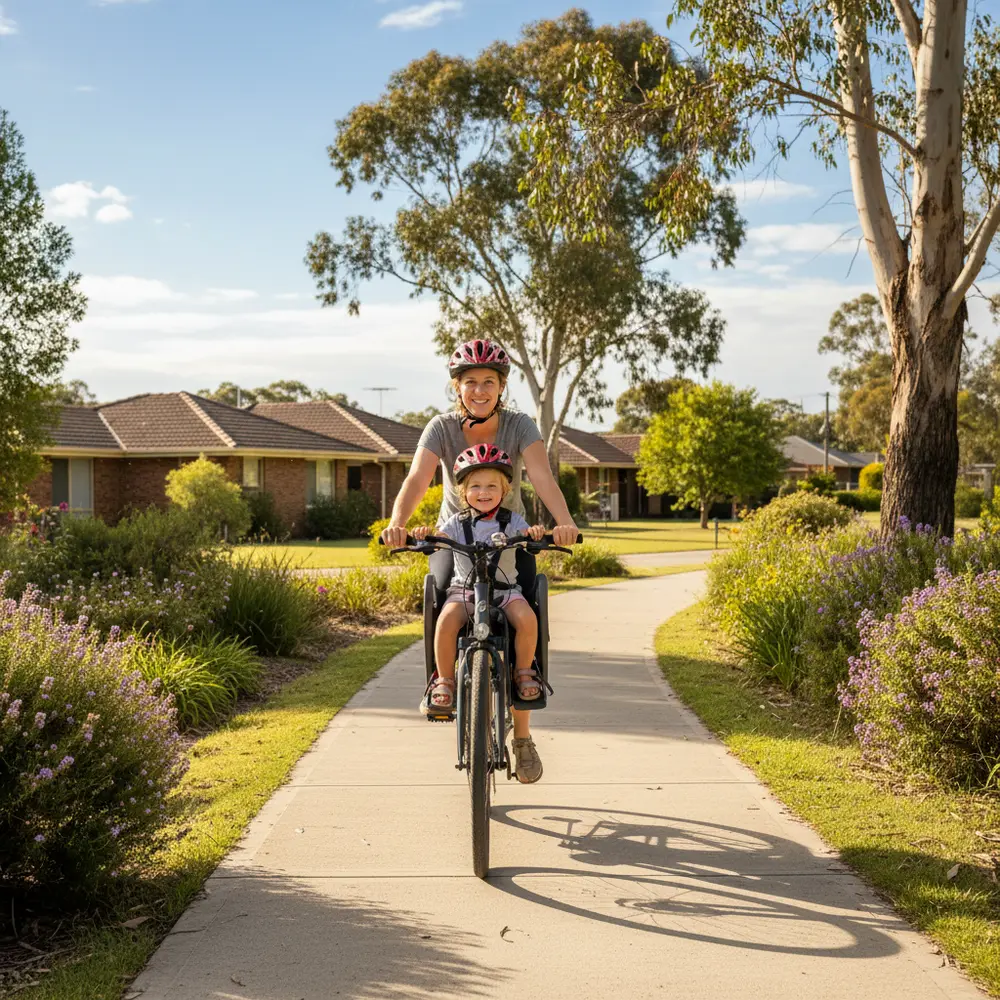
Rear seats are the most common choice for older and heavier children. They come in two main mounting styles, and the one you need depends on your bike.
| Mount Type | How It Attaches | Key Consideration |
|---|---|---|
| Rack-mounted | Bolts onto a rear pannier rack | Rack must have a load rating of at least 25 kg. Check your rack spec. |
| Seatpost-mounted | Clamps directly to the seatpost | Not compatible with carbon seatposts. Risk of cracking the post under load. |
Rack-mounted seats are generally more stable and secure, but they require a suitable rack to be already fitted or purchased separately. Seatpost-mounted seats are easier to install on bikes without a rack, but you must confirm your seatpost is aluminium or steel before using one. Using a seatpost clamp on a carbon seatpost is a genuine safety risk. Do not do it.
Look for seats that carry the AS/NZS 8600:2014 compliance marking when shopping in Australia. This standard covers structural integrity, harness requirements, and labelling. It matters especially if you are buying online, where non-compliant products from overseas sometimes appear.
Bike Trailers for Kids - When a Seat Is Not Enough
A bike trailer is a small two-wheeled cab that hitches to your rear axle or dropout. Your child or children ride inside, strapped in with a harness, usually at roughly road-surface level. Trailers are popular with Australian families doing longer rides, school runs, and weekend outings on shared paths.
The main advantages are stability, cargo space, and the ability to carry two children at once. The trade-off is that a trailer is bulkier, harder to park, and generally more expensive to buy. Australian consumer reviews consistently rate foldability and hitch compatibility as the top factors to check before buying.
Single vs Double Trailers - What Works for Your Family Setup
A single trailer is lighter and easier to manoeuvre, which suits one child and the occasional grocery run. A double trailer is the go-to if you have two young kids or want extra cargo room. The downside of a double is the increased width, which can make narrow shared paths tight.
- Check the total weight capacity of a double trailer before loading two children plus any bags.
- Convertible trailers that also function as a jogger or pram offer good value for families who want versatility.
- Look for a bright safety flag on any trailer you use on roads or shared paths. It raises visibility significantly.
- Trailers sit low to the ground and may not be visible to car drivers at intersections. Flags and reflectors are not optional extras.
Key Modifications Your Bike May Need Before Adding a Child Carrier
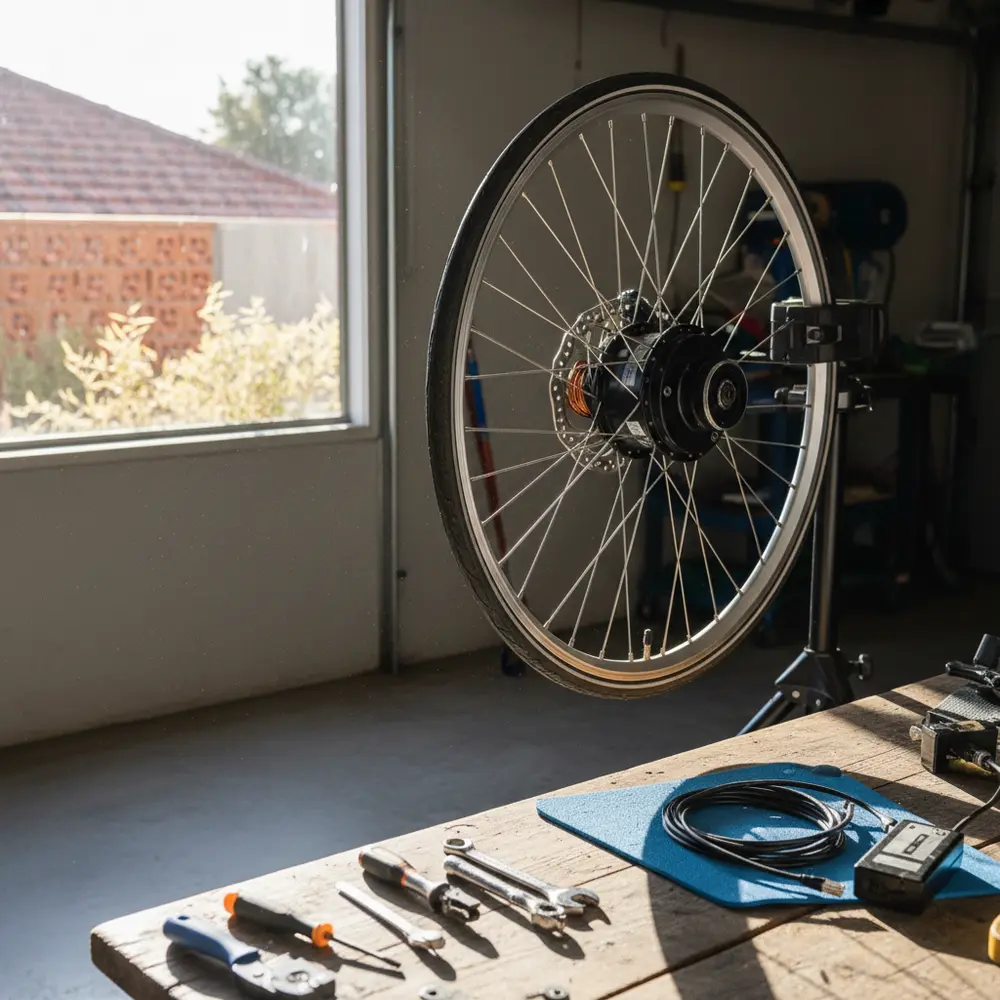
This is the part many beginners skip, and it often leads to problems. Adding a child to your bike changes how it handles, how much it weighs, and how long it takes to stop. Your bike may need a few upgrades before it is genuinely ready for the job.
- Rear rack: If you are going rack-mounted, check your frame has rack mounts (eyelets) and buy a rack rated to at least 25 kg. Not all bikes have these, particularly road and full-suspension mountain bikes.
- Brakes: With extra weight on board, your stopping distance increases. If your bike has worn brake pads or old cables, sort them before adding a child.
- Tyres: Consider slightly wider tyres with more volume if your current setup is very narrow. More tyre volume gives a more stable, forgiving ride under load.
- Seatpost check: If using a seatpost-mounted seat, confirm the post is not carbon. When in doubt, ask at your local bike shop.
- Hitch compatibility: Trailers use different hitch systems. Check compatibility with your rear wheel axle type (quick release vs thru-axle) before buying.
One thing that surprises new family cyclists is just how differently the bike handles with a child on board. The extra weight, particularly with a rear seat or trailer, makes the bike feel sluggish and harder to steer at low speed. Do a test ride around the block before heading out with your child. It is worth every minute. If you want personalised advice on your specific setup, get in touch with us and we can point you in the right direction.
Australian Road Rules and Helmet Laws for Child Passengers
Helmet wearing is compulsory for child passengers across all Australian states and territories. This applies whether the child is in a bike seat or inside a trailer. The helmet must meet AS/NZS 2063, and it must fit correctly. A loose or incorrectly fitted helmet does not provide proper protection. Check the fit every time before you ride.
Road rules for carrying child passengers are broadly consistent across Australia but do vary in the details. In NSW, for example, the Road Rules 2014 outline conditions under which children may be carried as bicycle passengers, including requirements for secure restraint and trailer attachment. In Victoria, Transport Victoria confirms that child passengers must be in an approved restraint or enclosed trailer.
Always check the specific rules for your state or territory. The safest habit is to treat your state's transport authority website as the source of truth, since rules can be updated. Bicycle NSW provides a plain-English summary of cycling laws in NSW that is worth bookmarking if you ride in that state.
A few practical notes on road rules for family cycling:
- Trailers must be securely attached and must not create a hazard to other road users.
- Children in trailers must still be wearing helmets in most states. Check your state's specific rule.
- You are responsible as the rider for ensuring your child passenger is properly restrained.
- Shared paths are generally the safest starting point for family rides. Progress to roads only when you are confident in the setup.
Common Mistakes to Avoid
- Fitting a seatpost-mounted child seat onto a carbon seatpost. This can crack the post under load and is a serious safety issue.
- Skipping the test ride without your child. The handling change is real and worth experiencing before your kid is on board.
- Buying a rear rack without checking the load rating. A rack rated to 10 kg is not suitable for a 15 kg child plus a seat.
- Not checking helmet fit before every ride. Children's heads grow quickly and a helmet that fitted well three months ago may be too tight or too loose now.
- Ignoring trailer width on narrow paths. A double trailer on a tight shared path can cause issues for other path users and make the ride stressful.
- Buying a child carrier from overseas online without checking for AS/NZS compliance markings. Non-compliant products do not meet Australian safety requirements.
If You Are New to Family Cycling
- Start on quiet shared paths or low-traffic streets before tackling busier roads.
- Borrow or hire a setup if you can before committing to a purchase. Getting the fit and feel right matters.
- Ask your local bike shop to check the installation after you have fitted the seat or hitch. A second set of eyes is valuable.
- Build up ride duration gradually. Short rides first while your child gets used to the motion and noise.
- Keep a cycling accessories checklist handy so you do not forget the small stuff like reflectors and flags.
If You Have Ridden With a Child Carrier Before
- Reassess your setup each season as your child grows. Weight and size change quickly in the early years.
- Check all mounting hardware for wear, particularly the hitch mechanism on a trailer, after every few rides.
- Consider upgrading to a rack-mounted seat if you have been using a seatpost-mount for a while. The added stability is worth it as the child gets heavier.
- Look at whether a double trailer makes sense if a second child is on the way.
- Review your state road rules periodically. Rules around child passengers do get updated.
Pre-Ride Safety Checklist
Run through this before every ride with a child on board. It takes about two minutes in the garage and is worth doing every single time.
- Child age and weight: Confirm your child still falls within the carrier's rated age and weight range.
- Helmet fit: Check your child's helmet is correctly sized, fastened, and has not been dropped or damaged since last use.
- Mounting hardware: Inspect the seat mounting bolts or trailer hitch. Everything should be tight with no movement or wobble.
- Harness straps: Check that the harness is snug and correctly routed. No slack at the shoulders or between the legs.
- Tyre pressure: Check both tyres on a loaded bike. Extra weight means tyres may run a little lower than usual.
- Visibility: Confirm flags and reflectors are in place on the trailer or seat. Replace any faded or broken items.
- Route check: Is your planned route suitable for a loaded bike? Avoid heavily trafficked roads if you are not yet confident.
- Test ride: Do a short loop without your child first after any new fitting or adjustment to confirm everything is stable and secure.
Choosing the Right Setup - Quick Decision Guide
| Your Situation | Recommended Option | Why |
|---|---|---|
| One child, aged 1 to 3 years, light bike, short rides | Front-mounted seat | Easy monitoring, compact, no rack needed. |
| One child, aged 2 to 5 years, bike has rear rack | Rack-mounted rear seat | Stable, suits heavier children up to around 22 kg. |
| Two young children or cargo needed | Double bike trailer | Carries two kids and gear, stable at lower speeds. |
| One child, longer weekend rides planned | Single trailer | Lower centre of gravity, more comfortable for child on rougher paths. |
| Road bike or carbon frame, no rack mounts | Check compatibility first | Many road bikes are not suitable. Speak to a bike shop before buying. |
Frequently asked questions
What is the minimum age for a child to ride in a bike seat in Australia?
Kidsafe Australia recommends children be at least 12 months old before being placed in a bike seat or trailer. This is because younger children lack the neck strength to safely support a helmet while absorbing road vibrations. Always consult your GP if you have any concerns about your child's readiness.
Do bike trailers need a helmet for the child inside?
Yes. Helmet wearing is compulsory for child passengers in all Australian states and territories, including children inside a bike trailer. The helmet must meet Australian Standard AS/NZS 2063. This is a legal requirement, not just a recommendation.
Can I use a child seat on my road bike or carbon frame bike?
Many road bikes lack the rear rack mounts needed for a rack-mounted seat. Carbon seatposts must not have a seatpost-mounted child seat clamped onto them, as this can damage or crack the post under load. Full-suspension mountain bikes also typically lack suitable mounting points. If your bike is in any of these categories, speak to your local bike shop before purchasing any child carrier.
Do the road rules for cycling with children differ between Australian states?
The core rules are broadly consistent, with helmets required and secure restraint mandatory in every state and territory. However, specific wording, age limits, and conditions can vary. Check your state's transport authority website for the exact rules that apply where you ride. NSW and Victoria both publish cyclist-specific road rule summaries online.
What does the AS/NZS 8600:2014 standard actually mean for buyers?
AS/NZS 8600:2014 is the joint Australian and New Zealand product safety standard for bicycle-mounted child seats. It sets minimum requirements for structural strength, harness systems, and product labelling. When shopping in Australia, look for this compliance marking on the product or packaging. It is especially important to check for this when buying online, where non-compliant products from overseas can appear alongside compliant ones.
Wrapping Up
Family cycling in Australia is genuinely enjoyable when the setup is right. The key decisions come down to your child's age and weight, your bike's compatibility, and picking the right carrier type for your rides. Here is a quick summary to take away:
- Check your child meets the minimum age and weight requirements before using any carrier.
- Front seats suit younger kids. Rear seats and trailers handle older, heavier children better.
- Your bike may need rack, brake, or tyre upgrades before adding any carrier. Do not skip this step.
- Helmets are compulsory for child passengers across all of Australia. Check the fit every time.
- Run the pre-ride checklist every single time. Two minutes in the garage beats a problem on the road.
For more on setting up your bike for practical riding, check out our cycling accessories and modifications guides and our full cycling blog for more practical content aimed at Australian riders.
This is educational content, not financial advice.